- Published Year: 1998
- Page count: 205
- File Size: 1 MB
- Language: English
- Published by: United States Institute of Peace
- Visited by: 389
- Rating/Review: 4.6
-
ISBN:
1878379747
9781878379740
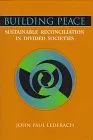
Building Peace: Sustainable Reconciliation in Divided Societies
4.6
Reviews from our users

You Can Ask your questions from this book's AI after Login
Each download or ask from book AI costs 2 points. To earn more free points, please visit the Points Guide Page and complete some valuable actions.Related Refrences:






Analytical Summary
*Building Peace: Sustainable Reconciliation in Divided Societies* stands as a seminal work in the field of conflict resolution and peacebuilding. Written with clarity and depth, it addresses the intricate challenges of fostering reconciliation in communities torn apart by violence, mistrust, and systemic division. Drawing on years of practical experience in zones of violent conflict, the book presents a framework for understanding both the immediate needs and long-term processes that enable societies to heal.
The primary focus of the text is the concept of sustainable reconciliation — a process that extends beyond ceasefires and peace agreements to include social healing, institutional reform, and shared vision for the future. By integrating theory with lived realities, *Building Peace: Sustainable Reconciliation in Divided Societies* bridges academic analysis with hands-on strategies suitable for policymakers, mediators, and grassroots initiatives.
This analytical work examines the interplay between top-down negotiations and bottom-up community engagement, making it clear that successful peacebuilding requires a dual lens. While national leaders and formal institutions may set the groundwork for political stability, it is the everyday interactions among citizens that cement trust and cooperation. This dynamic is explored through case studies, conceptual models, and actionable insights that remain relevant for contemporary conflicts worldwide.
Key Takeaways
The key lessons from *Building Peace: Sustainable Reconciliation in Divided Societies* reflect decades of field experience, distilled into guiding principles for any practitioner or scholar in peacebuilding strategies and conflict transformation.
First, reconciliation is not a singular event but a sustained process, requiring patience, persistence, and a capacity to address deep-seated grievances.
Second, effective conflict transformation merges structural change with relational healing, so that societies can address root causes and repair social bonds simultaneously.
Third, the balance between local cultural patterns and universally accepted human rights norms plays a pivotal role in ensuring that peace efforts are both contextually sensitive and ethically sound.
Fourth, the work stresses that sustainable reconciliation depends on inclusive participation, whereby marginalized groups have a genuine voice in shaping the future.
Finally, peacebuilding strategies must evolve as conflicts and societies change — adaptability is as crucial as initial design.
Memorable Quotes
"True reconciliation is not about forgetting the past, but about envisioning a shared future."Unknown
"Peacebuilding is both the art of relationships and the science of systems."Unknown
"Transformation begins when adversaries find common ground in their humanity."Unknown
Why This Book Matters
In a world where conflicts continue to emerge and persist, this book’s contributions are invaluable for strategists, mediators, educators, and activists seeking sustainable paths to peace.
By combining intellectual rigor with pragmatic tools, *Building Peace: Sustainable Reconciliation in Divided Societies* demonstrates how theory can be translated into action, and action into lasting change. Its emphasis on inclusivity and adaptability resonates across disciplines, making it a touchstone for anyone engaged in conflict transformation.
Information on awards received is unavailable due to the absence of reliable public sources; however, the text’s continued citation and use in academic and professional contexts attest to its influence and authority.
Inspiring Conclusion
*Building Peace: Sustainable Reconciliation in Divided Societies* is more than an academic text; it is a practical guide and moral compass for those who dare to envision a healed, united world.
By coupling actionable frameworks with deep compassion for the lived experiences of those in conflict, the book invites readers to rethink how peacebuilding strategies can be carried out with integrity and resilience. It encourages both scholarly debate and grassroots action, offering tools that adapt to different cultural and political contexts.
If you are committed to sustainable reconciliation, your next step is clear: read this book, share its insights with your community, and engage in thoughtful discussion about its applications. In doing so, you become part of the broader movement toward lasting conflict transformation.
Free Direct Download
You Can Download this book after Login
Accessing books through legal platforms and public libraries not only supports the rights of authors and publishers but also contributes to the sustainability of reading culture. Before downloading, please take a moment to consider these options.
Find this book on other platforms:
WorldCat helps you find books in libraries worldwide.
See ratings, reviews, and discussions on Goodreads.
Find and buy rare or used books on AbeBooks.

1389
بازدید4.6
امتیاز0
نظر98%
رضایتReviews:
4.6
Based on 0 users review
Questions & Answers
Ask questions about this book or help others by answering
No questions yet. Be the first to ask!