
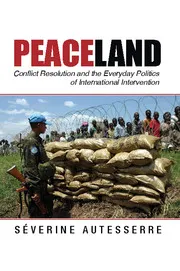
Peaceland: Conflict Resolution and the Everyday Politics of International Intervention
Séverine Autesserre
2014
View book
Book guide and evaluation
William Maley,C. J. G. Sampford,Ramesh Chandra Thakur
0 reviews
Published
pages
views
Introduction to 'From Civil Strife to Civil Society: Civil and Military Responsibilities in Disrupted States' Welcome to a nuanced exploration of disrupted states, where civil strife transforms into civil society through coordinated civil and military efforts. Authored by
Before you read
Welcome to a nuanced exploration of disrupted states, where civil strife transforms into civil society through coordinated civil and military efforts. Authored by William Maley, C. J. G. Sampford, and Ramesh Chandra Thakur, this seminal book delves into the responsibilities and strategies crucial for rebuilding war-torn regions. With rich analysis and insightful perspectives, the authors present a comprehensive guide on how to manage the delicate dynamics between military and civilian actors in post-conflict situations.
This book offers a profound analysis of the intersection between military and civilian roles in reestablishing order in disrupted states. The authors critically examine the challenges and opportunities that arise when various stakeholders are involved in peacebuilding efforts. It covers the theoretical underpinnings of civil-military relations and provides case studies to illustrate successful and failed attempts at transitioning from strife to peace. The narrative also highlights the importance of local ownership in peace processes, ensuring that reconstructed civil society reflects indigenous needs and aspirations.
"Peace is not merely the absence of war but the presence of justice, of law, of order—in short, of government."
"Rebuilding a nation from ashes requires not only bricks and mortar but the reestablishment of trust in institutions."
"Sustainable peace is a collective responsibility shared by those from within and beyond the borders of the affected state."
'From Civil Strife to Civil Society' holds a pivotal place in discussions about post-conflict recovery due to its holistic approach and emphasis on multidisciplinary strategies. The book is essential reading for policymakers, military strategists, and civil society leaders working towards sustainable peace. By elucidating the dynamic interplay of local and international actors, it provides valuable lessons for future peacebuilding missions. In a global context characterized by recurring conflicts, this book serves as an indispensable resource for understanding and navigating the complex pathways from conflict to stability and prosperity.
Your question is answered in the context of this title and author. Each answer uses 2 points.
0 reviews, 4.0 average out of 5
Sign in to publish a review.
Ask a focused question and learn from the community.
Related references that continue this learning path.
Séverine Autesserre
Roland Paris &Timothy Sisk (eds.)
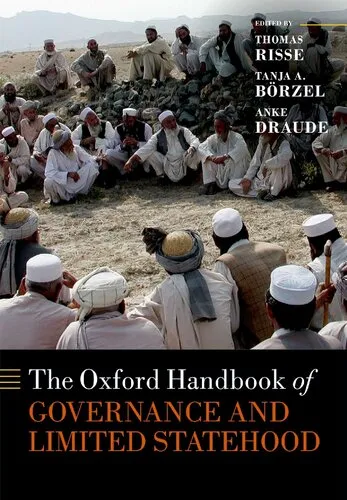
Thomas Risse (editor),Tanja A. Borzel (editor),Anke Draude (editor)
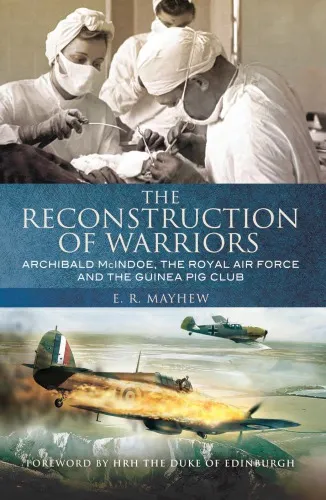
Guinea Pig Club.;Mayhew, Emily R.;McIndoe, Archibald Hector