Loading
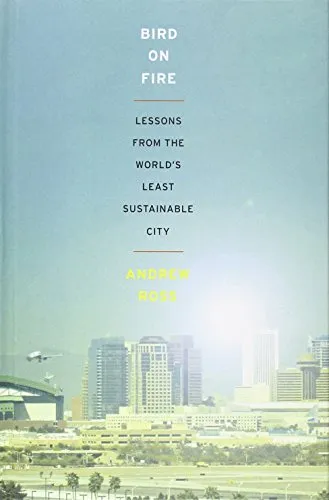
Cover of Bird on Fire: Lessons from the World's Least Sustainable City

Book guide and evaluation

Bird on Fire: Lessons from the World's Least Sustainable City

Andrew Ross

English Intermediate Personal Development
4.7 / 5

0 reviews

2011

Published

310

pages

322

views

Phoenix, Arizona is one of America's fastest growing metropolitan regions. It is also its least sustainable one, sprawling over a thousand square miles, with a population of four and a half million, minimal rainfall, scorching heat, and an insatiable appetite for unrestrained gro

Before you read

What will you get from this book?

Phoenix, Arizona is one of America's fastest growing metropolitan regions. It is also its least sustainable one, sprawling over a thousand square miles, with a population of four and a half million, minimal rainfall, scorching heat, and an insatiable appetite for unrestrained growth and unrestricted property rights. In Bird on Fire, eminent social and cultural analyst Andrew Ross focuses on the prospects for sustainability in Phoenix--a city in the bull's eye of global warming--and also the obstacles that stand in the way. Most authors writing on sustainable cities look at places like Portland, Seattle, and New York that have excellent public transit systems and relatively high density. But Ross contends that if we can't change the game in fast-growing, low-density cities like Phoenix, the whole movement has a major problem. Drawing on interviews with 200 influential residents--from state legislators, urban planners, developers, and green business advocates to civil rights champions, energy lobbyists, solar entrepreneurs, and community activists--Ross argues that if Phoenix is ever to become sustainable, it will occur more through political and social change than through technological fixes. Ross explains how Arizona's increasingly xenophobic immigration laws, science-denying legislature, and growth-at-all-costs business ethic have perpetuated social injustice and environmental degradation. But he also highlights the positive changes happening in Phoenix, in particular the Gila River Indian Community's successful struggle to win back its water rights, potentially shifting resources away from new housing developments to producing healthy local food for the people of the Phoenix Basin. Ross argues that this victory may serve as a new model for how green democracy can work, redressing the claims of those who have been aggrieved in a way that creates long-term benefits for all. Bird on Fire offers a compelling take on one of the pressing issues of our time--finding pathways to sustainability at a time when governments are dismally failing their responsibility to address climate change.

Ask this book

Your question is answered in the context of this title and author. Each answer uses 2 points.

Sign in to ask the book assistant.

Reader reviews

0 reviews, 4.7 average out of 5

No reviews yet

If you have read this book, help the next reader with your experience.

Write a review

Sign in to publish a review.

Reader questions and answers

Ask a focused question and learn from the community.

Sign in to ask or answer a question.

No questions yet

Be the first to ask a clear, useful question.