

Discover references
Cross-Platform Development
Introduction to Cross-Platform Development
Cross-platform development is a paradigm that enables software developers to create applications that can operate on different platforms with minimal code alterations. This category encompasses a wide range of tools, frameworks, and methodologies pivotal for developers aiming to reach a wider audience while optimizing resource usage.
Why Cross-Platform Development?
With the increasing diversity in user devices, from mobile phones and tablets to desktop computers, developers face the challenge of creating apps that operate seamlessly across different operating systems like iOS, Android, Windows, and macOS. Cross-platform development tools allow developers to write code once and deploy it across multiple platforms, thus saving time, reducing costs, and streamlining the maintenance process.
Popular Cross-Platform Development Tools
Several tools have emerged as leaders in cross-platform development, each with its unique advantages and ecosystems. Here are a few notable ones:
-
Flutter
Developed by Google, Flutter uses the Dart programming language to deliver highly interactive, native-like interfaces with a single codebase. It's known for its fast development cycles, expressive UI components, and robust performance.
-
React Native
A framework created by Facebook, React Native enables developers to build world-class app experiences on native platforms using a consistent developer experience based on JavaScript and React. It leverages native UI components, resulting in enhanced user experiences.
-
Xamarin
Owned by Microsoft, Xamarin provides a powerful framework for building applications with C# and.NET. By translating C# code into native code, Xamarin ensures performance close to native apps while maintaining a shared codebase.
Benefits of Cross-Platform Development
The advantages of cross-platform development are manifold. Here are some key benefits:
- Cost Efficiency: With a single codebase, development time and resources are significantly reduced, leading to lower overall costs.
- Faster Time to Market: Writing code once means faster deployment across all targeted platforms, providing a competitive edge in time-sensitive markets.
- Code Reusability: Reusing code across platforms enhances consistency and reduces the possibility of bugs or discrepancies between versions.
- Easy Maintenance: Updates and bug fixes can be made across all platforms simultaneously, boosting efficiency and reducing user dissatisfaction.
Challenges in Cross-Platform Development
Despite its numerous benefits, cross-platform development does come with its own set of challenges:
- Performance Optimization: Unlike truly native applications, cross-platform apps may suffer from performance issues, particularly if the codebase isn't optimized correctly.
- Limited Access to Native Features: Cross-platform tools may not provide full access to native features and APIs, requiring native coding skills for certain functionalities.
- User Experience Consistency: Achieving a uniform user experience across different platforms can be hard due to platform-specific UI/UX standards.
Future of Cross-Platform Development
The future of cross-platform development looks promising as the demand for comprehensive, efficient software solutions grows. Innovations such as Progressive Web Apps (PWAs) and advanced frameworks continue to blur the lines between native and cross-platform capabilities, pushing the boundaries of what these tools can achieve.
As the technology landscape evolves, cross-platform tools will continue to integrate more native features and improve their performance capabilities, making them an attractive choice for businesses and developers focusing on agility and resource optimization.
Conclusion
Cross-platform development represents a strategic approach to software creation, balancing efficiency and reach. For developers and businesses, understanding its tools and methodologies is crucial for leveraging its full potential. Whether you're looking to optimize costs, speed up development time, or maintain consistency across diverse user bases, cross-platform solutions offer compelling benefits worth exploring.
Explore our curated collection of books on cross-platform development to deepen your understanding and enhance your skills in this dynamic field.
Books
38 results
English
Intermediate
Ultimate Flutter for Cross-Platform App Development: Build Seamless Cross-Platform Flutter UIs with Dart, Dynamic Widgets, Unified Codebases, and Expert Testing Techniques
Temidayo Adefioye
2024
View book
English
Unordered
JavaScript and JQuery: Interactive Front-End Web Development
Jon Duckett
2014
View book


English
Beginner
Learn 2D Game Development with C# : For iOS, Android, Windows Phone, Playstation Mobile and More
Kelvin Sung
2014
View book

English
Intermediate
Building Cross-Platform Apps with Flutter and Dart: Build scalable apps for Android, iOS, and web from a single codebase (English Edition)
Deven Joshi
2023
View book
English
Intermediate
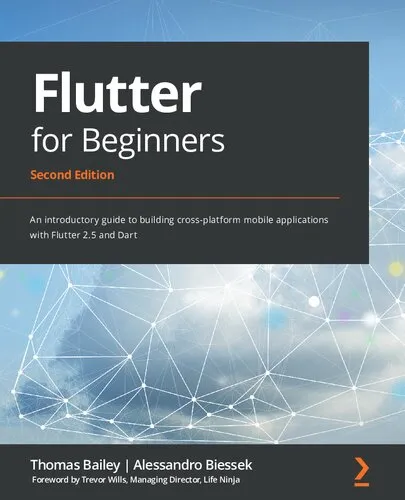
Flutter for Beginners: An introductory guide to building cross-platform mobile applications with Flutter 2.5 and Dart
Thomas Bailey,Alessandro Biessek
2021
View book
English
Intermediate
Flutter and Dart Cookbook: Developing Full-Stack Applications for the Cloud
Richard Rose
2023
View book
English
Unordered
Electron Projects: Build over 9 cross-platform desktop applications from scratch
Denys Vuika
2019
View book
English
Intermediate
Pragmatic Flutter: Building Cross-Platform Mobile Apps for Android, iOS, Web, & Desktop
Priyanka Tyagi
2021
View book
English
Beginner
Mobile Development with C#: Building Native iOS, Android, and Windows Phone Applications
Greg Shackles
2012
View book

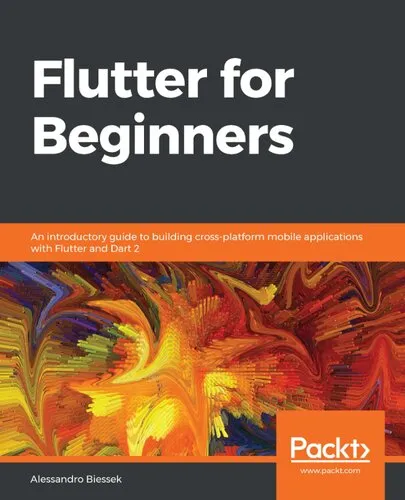
English
Intermediate
Flutter for Beginners: An introductory guide to building cross-platform mobile applications with Flutter and Dart 2
Alessandro Biessek
2019
View book
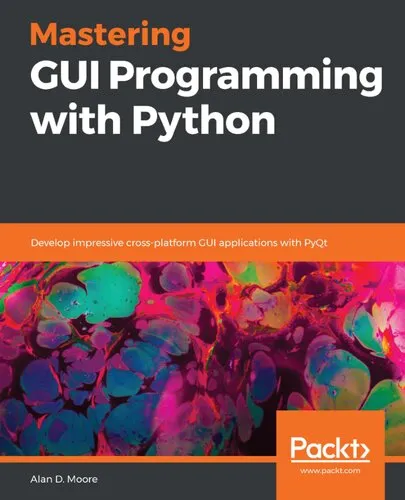
English
Beginner
Mastering GUI Programming with Python: Develop impressive cross-platform GUI applications with PyQt
Alan D. Moore
2019
View book
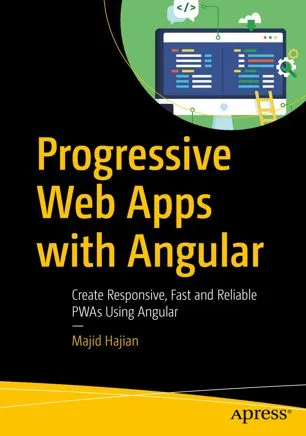
English
Beginner
Progressive Web Apps with Angular: Create Responsive, Fast and Reliable PWAs Using Angular
Majid Hajian
2019
View book

English
Unordered
Programming Flutter - Native, Cross-Platform Apps the Easy Way
Carmine Zaccagnino
2020
View book
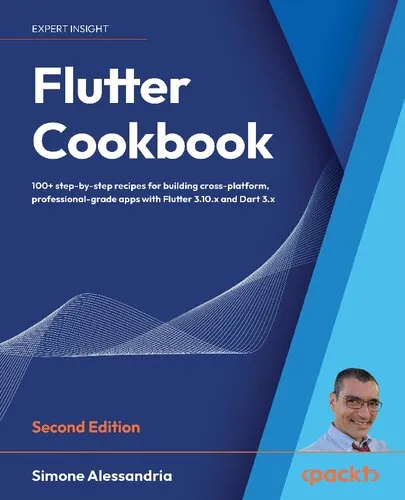
English
Intermediate
Flutter Cookbook: 100+ step-by-step recipes for building cross-platform, professional-grade apps with Flutter 3.10.x and Dart 3.x,
Simone Alessandria
2023
View book
English
Intermediate
Flutter for Jobseekers: Learn Flutter and take your cross-platform app development skills to the next level
Hans Kokx
2024
View book
English
Unordered
Cross-platform Desktop Application Development: Electron, Node, NW.js, and React
Dmitry Sheiko
2017
View book
English
Intermediate
Building Cross-Platform Apps with Flutter and Dart: Build scalable apps for Android, iOS, and web from a single codebase
Deven Joshi
2023
View book
English
Advanced
The Road to React: Your journey to master plain yet pragmatic React.js
Robin Wieruch
2018
View book