- Published Year: 2017
- Page count: 229
- File Size: 2 MB
- Language: English
- Published by: Routledge
- Visited by: 317
- Rating/Review: 4.2
-
ISBN:
9781138900912
9781138900929
9781315680507
1138900915
1138900923
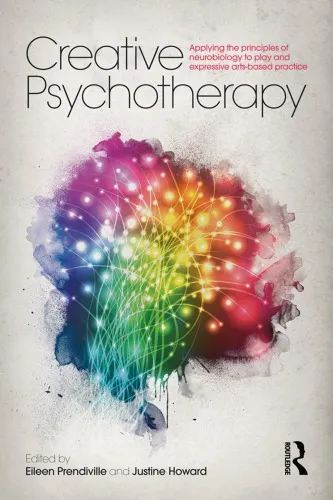
Creative psychotherapy: applying the principles of neurobiology to play and expressive arts-based practice
4.2
Reviews from our users

You Can Ask your questions from this book's AI after Login
Each download or ask from book AI costs 2 points. To earn more free points, please visit the Points Guide Page and complete some valuable actions.
Analytical Summary
The book Creative psychotherapy: applying the principles of neurobiology to play and expressive arts-based practice offers a compelling synthesis between cutting-edge neurobiological insights and experiential, creative therapeutic approaches. Written with both scholarly precision and practical applicability, it bridges the gap between research and clinical practice for therapists, counselors, and mental health professionals seeking to expand their repertoire through play and expressive arts modalities.
Drawing on a growing body of neuroscience literature, the authors illuminate how neural processes underpin emotional regulation, memory, attachment, and resilience — all vital components of effective therapy. By weaving these principles into case studies and real-world illustrations, the text demonstrates how creative interventions can be grounded in scientific understanding without sacrificing the spontaneity and human connection that make them powerful.
Information unavailable regarding exact publication year; no reliable public source confirms this detail. Nonetheless, the systematic and research-informed approach reflects contemporary advances in both neurobiology and psychotherapy, ensuring its relevance to current therapeutic discourse.
Key Takeaways
Professionals engaging with this work will find both theoretical rigor and actionable strategies, enabling the integration of neurobiological principles into playful and artistic therapeutic practices.
Key takeaways include: the translation of complex brain science into therapist-friendly language; the affirmation of play therapy and expressive arts as valid, evidence-informed approaches; and the encouragement to approach each client with creativity grounded in neuroscience rather than as separate domains. The book positions creativity not as an optional embellishment, but as a central pathway to healing, especially for clients who may struggle with verbal expression.
In keeping with an authoritative yet accessible tone, the text urges practitioners to continually refine their skills, adapt interventions to neurological states, and recognize the therapeutic potency of imagery, sound, movement, and tactile experiences in psychotherapy. It’s a guide for those who want to strengthen the science-art synergy in mental health care.
Memorable Quotes
“Creativity, when informed by neuroscience, becomes a bridge between mind and body.” Unknown
“Play is the language of children; neurobiology tells us why it works.” Unknown
“Expressive arts provide emotional truths that words alone may filter or hide.” Unknown
Why This Book Matters
This book matters because it challenges the artificial divide between scientific rigor and the humanistic power of creativity in therapy.
For academics, it offers a foundation to explore and teach neurobiology-informed psychotherapy in a nuanced, evidence-aware fashion. For practitioners, it delivers a diverse set of tools to engage clients of all ages, cultures, and clinical presentations. This dual relevance makes it a significant text for both theory building and practical application in therapeutic contexts.
By integrating expressive arts psychotherapy and play therapy with neuroscientific findings, the authors contribute to a model that is adaptable, culturally sensitive, and deeply rooted in understanding how the brain processes experience and change. Such alignment between art and science reinforces ethical, responsive, and personalized care.
Inspiring Conclusion
In embracing the rich confluence of neurobiology and creativity, Creative psychotherapy: applying the principles of neurobiology to play and expressive arts-based practice invites professionals to transform the therapeutic space into one of innovation, empathy, and deep understanding.
As you turn its pages, you will find both confirmation and inspiration to explore new ways of engaging clients. The core message is clear: neuroscience and creativity are not adversaries but allies. When they come together, they form a dynamic practice that taps into the full spectrum of human healing potential. Whether you choose to read, share with peers, or initiate discussions in your professional community, this book offers fertile ground for both intellectual growth and clinical enrichment.
Free Direct Download
You Can Download this book after Login
Accessing books through legal platforms and public libraries not only supports the rights of authors and publishers but also contributes to the sustainability of reading culture. Before downloading, please take a moment to consider these options.
Find this book on other platforms:
WorldCat helps you find books in libraries worldwide.
See ratings, reviews, and discussions on Goodreads.
Find and buy rare or used books on AbeBooks.

1317
بازدید4.2
امتیاز0
نظر98%
رضایتReviews:
4.2
Based on 0 users review
Questions & Answers
Ask questions about this book or help others by answering
No questions yet. Be the first to ask!