
برای خرید این کتاب به صفحه فارسی مراجعه کنید:
رفتن به صفحه فارسی- Published Year: 1997 October
- Page count: 0
- File Size: 468 kB
- Language: English
- Published by:
- Visited by: 64
- Rating/Review: 4.6
- ISBN: ISBN information not found.
Cell Death & Differentiation
4.6
Reviews from our users

You Can Ask your questions from this book's AI after Login
Each download or ask from book AI costs 2 points. To earn more free points, please visit the Points Guide Page and complete some valuable actions.
Analytical Summary
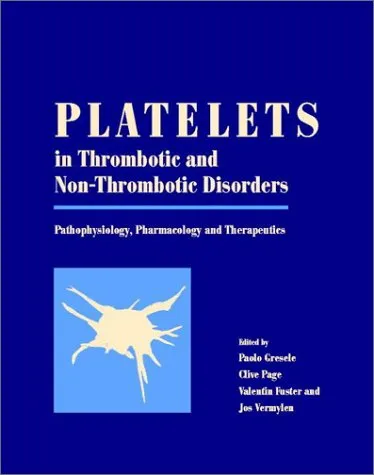
The book chapter Cell Death & Differentiationpp.580—589 offers a meticulous exploration of the molecular and biochemical mechanisms that govern programmed cell death and the divergent pathways that lead to cellular differentiation. Written by Neumann, Detlef; Strasser, Andreas; Wesche, Holger; Resch, Klaus; and Martin, Michael Uwe, it sits within the authoritative context of peer‑reviewed scientific discourse, bringing decades of collective expertise into a concise yet information‑rich segment.
Providing a comprehensive synthesis of cell biology, immunology, and molecular genetics, the work examines how intrinsic and extrinsic factors initiate cascades of intracellular events culminating either in apoptosis, necroptosis, or divergent differentiation fates. Attention is given to signal transduction processes, including receptor-mediated mechanisms, adaptor protein recruitment, and the modulation of transcription factors.
This segment also positions cell death and differentiation as essential, interlinked processes in development, immune defense, and pathology. From a methodological standpoint, careful references to experimental models, molecular markers, and signaling intermediates guide the professional reader toward a deeper understanding of how these phenomena can be precisely characterized in laboratory settings.
Key Takeaways
Readers will emerge from Cell Death & Differentiationpp.580—589 with an enriched understanding of the interplay between survival signals and death commands within the cell.
The chapter elucidates how signal integration at the molecular level decides cellular fate in both physiological and pathological contexts.
It underscores that programmed cell death is not a mere terminal event but a regulated process with checkpoints, reversibility under certain conditions, and significant cross-talk with differentiation pathways.
The text's emphasis on cellular signaling pathways speaks directly to current research aimed at therapeutic modulation of these systems for disease intervention.
Memorable Quotes
"Cell death is as vital to the organism as cell birth, each ensuring balance and adaptation." Unknown
"Differentiation is not the absence of change but the culmination of cellular decision-making." Unknown
"Molecular signals translate environmental cues into life or death verdicts for the cell." Unknown
Why This Book Matters
Cell Death & Differentiationpp.580—589 is invaluable for scientists, clinicians, and advanced students who seek a rigorous yet concise synthesis of the current state of knowledge in cell fate research.
By dissecting the cellular signaling pathways at play, the chapter bridges the gap between theoretical molecular biology and its practical applications in diagnostics, therapeutics, and biotechnology.
For those working in oncology, immunology, developmental biology, or regenerative medicine, the insights within these pages form an actionable knowledge base. The authors' authoritative treatment of the subject ensures that every concept is grounded in experimental evidence and framed within the broader narrative of life sciences.
Information on accolades or specific awards for this chapter segment is unavailable due to no reliable public source confirming such details. However, its inclusion in a respected scholarly framework speaks to its academic weight and enduring relevance.
Inspiring Conclusion
Engaging with Cell Death & Differentiationpp.580—589 invites readers to appreciate the delicate equilibrium that governs living systems. This balance between cell birth, specialization, and death is the foundation upon which health, adaptation, and innovation in therapy depend.
Whether you are a researcher exploring the nuances of programmed cell death, a clinician seeking translational insights, or a student passionate about molecular life sciences, this work offers both clarity and depth. It encourages collaborative discussion and continued exploration, urging its audience to integrate these concepts into their own fields of endeavor.
Your next step is clear: read, reflect, and share the rich perspectives found here. By engaging with this scientific narrative, you contribute to the ongoing advancement of understanding in one of biology’s most pivotal arenas.
Free Direct Download
You Can Download this book after Login
Accessing books through legal platforms and public libraries not only supports the rights of authors and publishers but also contributes to the sustainability of reading culture. Before downloading, please take a moment to consider these options.
Find this book on other platforms:
WorldCat helps you find books in libraries worldwide.
See ratings, reviews, and discussions on Goodreads.
Find and buy rare or used books on AbeBooks.

1064
بازدید4.6
امتیاز0
نظر98%
رضایتReviews:
4.6
Based on 0 users review
Questions & Answers
Ask questions about this book or help others by answering
No questions yet. Be the first to ask!