

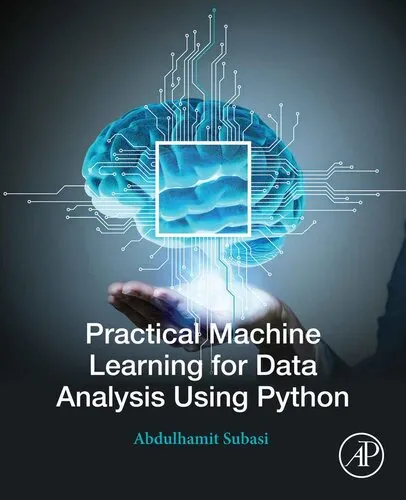
Book guide and evaluation
Practical Machine Learning for Data Analysis Using Python
Abdulhamit Subasi
English
Advanced
Machine Learning
4.9 / 5
0 reviews
2020
Published
524
pages
364
views
Practical Machine Learning for Data Analysis Using Python is a problem solver’s guide for creating real-world intelligent systems. It provides a comprehensive approach with concepts, practices, hands-on examples, and sample code. The book teaches readers the vital skills required
Before you read
What will you get from this book?
Practical Machine Learning for Data Analysis Using Python is a problem solver’s guide for creating real-world intelligent systems. It provides a comprehensive approach with concepts, practices, hands-on examples, and sample code. The book teaches readers the vital skills required to understand and solve different problems with machine learning. It teaches machine learning techniques necessary to become a successful practitioner, through the presentation of real-world case studies in Python machine learning ecosystems. The book also focuses on building a foundation of machine learning knowledge to solve different real-world case studies across various fields, including biomedical signal analysis, healthcare, security, economics, and finance. Moreover, it covers a wide range of machine learning models, including regression, classification, and forecasting. The goal of the book is to help a broad range of readers, including IT professionals, analysts, developers, data scientists, engineers, and graduate students, to solve their own real-world problems.
Ask this book
Your question is answered in the context of this title and author. Each answer uses 2 points.
Sign in to ask the book assistant.
Reader reviews
0 reviews, 4.9 average out of 5
No reviews yet
If you have read this book, help the next reader with your experience.
Write a review
Sign in to publish a review.
Reader questions and answers
Ask a focused question and learn from the community.
Sign in to ask or answer a question.
No questions yet
Be the first to ask a clear, useful question.
What to read next
Related references that continue this learning path.
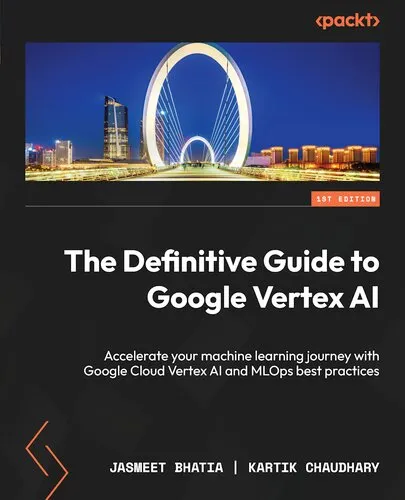
The Definitive Guide to Google Vertex AI: Accelerate your machine learning journey with Google Cloud Vertex AI and MLOps
Jasmeet Bhatia | Kartik Chaudhary
2023
View book
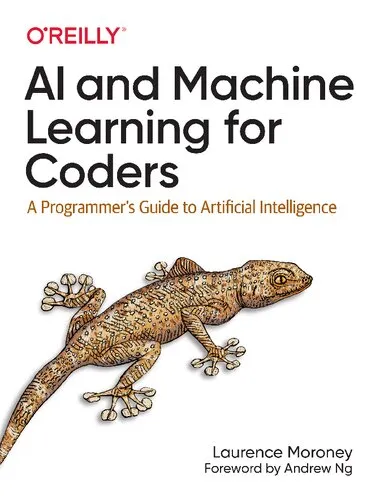
AI and Machine Learning for Coders: A Programmer's Guide to Artificial Intelligence
Laurence Moroney
2020
View book