Book guide and evaluation
Language and Empiricism - After the Vienna Circle
Siobhan Chapman
English
Intermediate
novel
4.3 / 5
0 reviews
2008
Published
199
pages
627
views
Introduction to 'Language and Empiricism - After the Vienna Circle' Discover a profound exploration of the intersection between language and empiricism in the wake of the Vienna Circle's philosophical influence. This book intricately examines how language and empirical methods
Before you read
What will you get from this book?
Introduction to 'Language and Empiricism - After the Vienna Circle'
Discover a profound exploration of the intersection between language and empiricism in the wake of the Vienna Circle's philosophical influence. This book intricately examines how language and empirical methods intersect with our understanding of human knowledge, advancing the discussions that the Vienna Circle initiated.
Detailed Summary of the Book
In 'Language and Empiricism - After the Vienna Circle', I delve into the philosophical landscapes that emerged following the Vienna Circle's disbandment. The Vienna Circle, a group of philosophers and scientists that revolutionized 20th-century thought, advocated for logical positivism, emphasizing logical analysis and empirical data over metaphysical speculation. This book seeks to explore how those foundational views evolved and influenced contemporary thought. The core theme revolves around analyzing linguistic frameworks and how they address empirical inquiry. By examining the works of key post-Vienna philosophers, the narrative sheds light on the transformation of ideas about language's role in shaping scientific and philosophical methodology. Discussions are enriched by contrasting various philosophical doctrines that emerged as either extensions or counterarguments to logical positivism. Overall, this comprehensive summary guides the reader through a journey of intellectual evolution that views language as an essential tool for empirical research.
Key Takeaways
- Insight into the transition from logical positivism to contemporary philosophical thought.
- An examination of the critical relationship between linguistic analysis and empirical data.
- Understanding of how post-Vienna Circle philosophers have influenced modern epistemology and philosophy of science.
- In-depth analysis of language as a pivotal element in scientific methodology.
Famous Quotes from the Book
“Language serves not only as a vehicle for communication but as a critical scaffold upon which empirical knowledge is constructed.”
“The search for meaning within science is as much a philosophical endeavor as it is an empirical one.”
Why This Book Matters
'Language and Empiricism - After the Vienna Circle' is an essential read for anyone interested in the evolution of modern philosophy and the enduring influence of the Vienna Circle. The book addresses pivotal questions at the confluence of linguistic theory and empirical research, a topic that remains highly relevant in today's scientific and philosophical debates. By dissecting the continuing impact of philosophical giants and their successors, this book illuminates the complexity of developing a comprehensive understanding of human knowledge. As scholars continue to grapple with the challenges posed by empirical validation and linguistic precision, 'Language and Empiricism' stands as a significant resource that bridges historical perspectives and current intellectual pursuits. Whether you're a student of philosophy, a scholar, or a curious reader, this book offers valuable insights into a defining aspect of philosophical thought.
Ask this book
Your question is answered in the context of this title and author. Each answer uses 2 points.
Sign in to ask the book assistant.
Reader reviews
0 reviews, 4.3 average out of 5
No reviews yet
If you have read this book, help the next reader with your experience.
Write a review
Sign in to publish a review.
Reader questions and answers
Ask a focused question and learn from the community.
Sign in to ask or answer a question.
No questions yet
Be the first to ask a clear, useful question.
What to read next
Related references that continue this learning path.
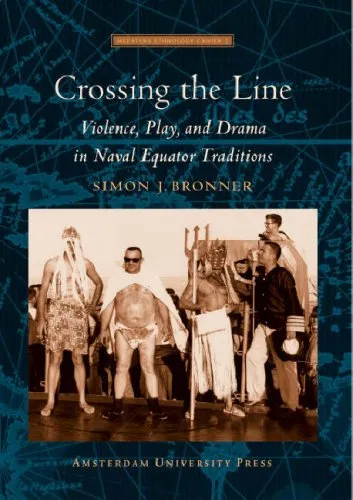
Crossing the Line: Violence, Play, and Drama in Naval Equator Traditions
Simon J. Bronner
2007
View book