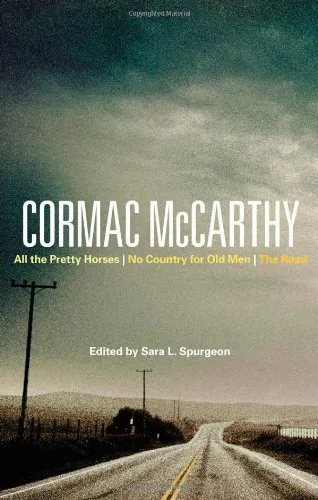
Cormac McCarthy: All the Pretty Horses, No Country for Old Men, The Road
Cormac McCarthy
2011
View book
Book guide and evaluation
Simon J. Bronner
0 reviews
Published
pages
views
Introduction to "Crossing the Line: Violence, Play, and Drama in Naval Equator Traditions" Welcome to a deep dive into the traditions, cultural implications, and historical context of a maritime ritual that dates back centuries. "Crossing the Line: Violence, Play, and Dram
Before you read
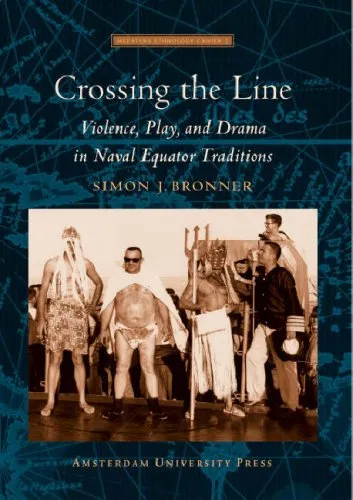
Welcome to a deep dive into the traditions, cultural implications, and historical context of a maritime ritual that dates back centuries. "Crossing the Line: Violence, Play, and Drama in Naval Equator Traditions" sheds light on the unique customs sailors experience when traversing the Equator, exploring the blend of initiatory rites, play, and dramatic performances within naval culture.
The book embarks on an exploratory journey into the ceremonies that occur on naval vessels as they cross the Equator. Known as the "Line-Crossing Ceremony," this tradition involves elaborate rituals that mix elements of pageantry, corporal punishment, and theatrical expression. These rites often serve as an initiation for sailors who have never crossed the Equator, heralding them into the ranks of "Shellbacks," or seasoned sailors.
The narrative traverses through various international practices, illustrating how different navies have adapted this tradition to incorporate local and cultural nuances. It delves into the dichotomy between the ceremonial violence that can occur and the community-building aspect that these rituals often aim to foster. The book provides historical footage and documents to enrich the reader's understanding of how these practices evolved over time and why they remain significant in modern navies.
"The sea has long been a stage, and the crossing of its invisible lines forms the script of a drama where every sailor plays his part."
"In the rituals of crossing, one can glimpse the outlines of maritime history, the shadow of past voyages echoing in the ceremonial rites of the present."
"Crossing the Line" is more than just a historical account—it serves as a critical exploration of human behavior and social constructs. By examining these unique naval traditions, the book provides a lens through which we can understand the complexities of maritime life and the lasting impact of tradition in shaping identity and community in isolated environments like ships at sea.
The work resonates in today's conversations about tradition versus modern values, the role of ritual in professional settings, and the sometimes blurred lines between expected norms and harmful practices. It invites readers to not only witness these traditions but also question and reflect on their significance, making it an essential read for historians, sociologists, and anyone interested in the interplay between culture and tradition.
Persian Summary
Your question is answered in the context of this title and author. Each answer uses 2 points.
0 reviews, 5.0 average out of 5
Sign in to publish a review.
Ask a focused question and learn from the community.
Related references that continue this learning path.
Cormac McCarthy