After Eden: Behavioral Ecology of Early Food Production in the Near East and North Africa
Kenneth W. Russell
1988
View book
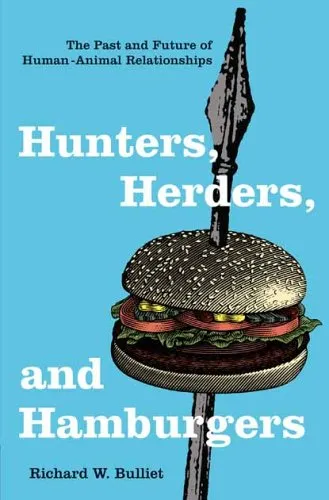
Book guide and evaluation
Richard W. Bulliet
0 reviews
Published
pages
views
Introduction "Hunters, Herders, and Hamburgers: The Past and Future of Human-Animal Relationships" by Richard W. Bulliet is a compelling exploration into how human interactions with animals have evolved over time and are poised to change in the future. As we journe
Before you read
"Hunters, Herders, and Hamburgers: The Past and Future of Human-Animal Relationships" by Richard W. Bulliet is a compelling exploration into how human interactions with animals have evolved over time and are poised to change in the future. As we journey through various eras of history, Bulliet's detailed narrative sheds light on the symbiotic and often complex relationship that mankind has shared with the animal kingdom.
Richard W. Bulliet, in his enlightening work, divides the historical relationship between humans and animals into four distinct categories: hunters, herders, farmers, and industrialists. He explains how each phase represents a particular evolution in the way humans have interacted with animals. As hunters, humans viewed animals primarily as prey, an essential source of food and materials. Transitioning to herding, the relationship became more symbiotic, with humans relying on domesticated animals for sustenance and agriculture while providing them care and protection.
The next progression to farming brought about further changes, with the emphasis on breeding and managing livestock for efficient food production. This phase witnessed the beginning of ethical considerations regarding animal care and the sustainability of practices. Finally, the industrial age marked a dramatic transformation as mass production and technological advancements led to the compartmentalization and commercialization of animal husbandry. This era raised significant ethical and environmental issues, which continue to influence the global discourse today.
Throughout the book, Bulliet expertly intertwines historical facts with anecdotal evidence, creating a scholarly yet accessible narrative that not only educates but also provokes thought. His analysis of the future prospects of these relationships—particularly in the face of rising vegetarianism and the development of lab-grown meats—offers a glimpse into what may lie ahead for both humans and animals.
"Our past with animals is nothing short of a mirror to our own development, marking our societal milestones and ethical dilemmas."
"The end of one era in our relationship with animals often sows the seeds for the transformation that follows."
"Hunters, Herders, and Hamburgers" holds significant importance as it not only documents but also critically examines the trajectory of human-animal interactions. In an age facing climate change, food security challenges, and ethical debates concerning animal welfare, understanding these relationships is crucial. Bulliet's work encourages both reflection and dialogue on how our past choices shape the present and offer pathways for future possibilities. It is an indispensable read for anyone interested in anthropology, history, environmental science, or animal ethics, providing insights that extend well beyond just the academic realm.
Your question is answered in the context of this title and author. Each answer uses 2 points.
0 reviews, 4.6 average out of 5
Sign in to publish a review.
Ask a focused question and learn from the community.
Related references that continue this learning path.
Kenneth W. Russell