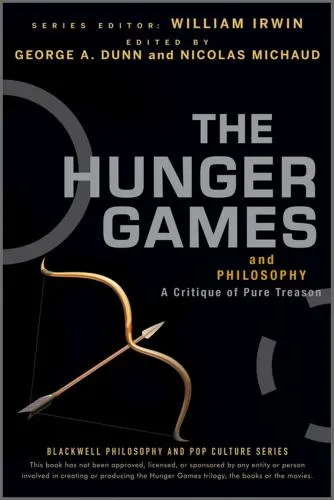
The Hunger games and philosophy : a critique of pure treason
George A Dunn;Nicolas Michaud
2012
View book
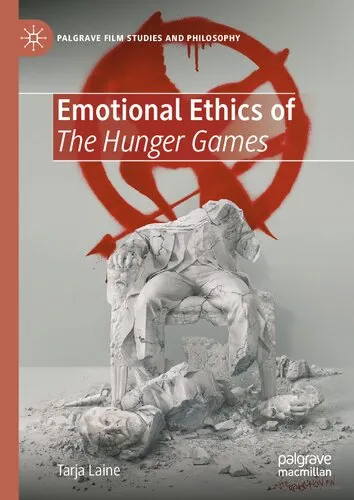
Book guide and evaluation
Tarja Laine
0 reviews
Published
pages
views
Welcome to an engaging exploration of emotional ethics within one of the most compelling dystopian narratives of our time, The Hunger Games. In this book, we delve into the rich emotional landscape and moral complexities captured by Suzanne Collins' unforgettable saga, adapte
Before you read
Welcome to an engaging exploration of emotional ethics within one of the most compelling dystopian narratives of our time, The Hunger Games. In this book, we delve into the rich emotional landscape and moral complexities captured by Suzanne Collins' unforgettable saga, adapted into a critically acclaimed film series.
The Emotional Ethics of The Hunger Games offers a profound examination of the emotional dimensions present in The Hunger Games series, both in its literary and cinematic forms. Through a philosophical lens, the book scrutinizes how emotions such as fear, love, rage, and empathy are portrayed and perceived by audiences. It dissects the ethical implications these emotions convey within the dystopian context of Panem. This book unravels how the characters' emotional journeys challenge viewers to reflect on their own ethical beliefs and societal norms.
By analyzing key characters like Katniss Everdeen, Peeta Mellark, and Gale Hawthorne, the book reveals how emotional experiences shape their decision-making processes and moral alignments. It also tackles the role of spectacle and media manipulation in heightening the emotional stakes, prompting readers to consider the real-world parallels of consumption and desensitization.
The book presents several insightful takeaways:
The book contains numerous thought-provoking insights, some of which include:
"In the arena of emotions, the real battle lies within each character's heart, challenging them to reconcile personal desires with collective responsibilities."
"The spectacle of suffering in The Hunger Games serves as a mirror to our own consumption of media, questioning the ethics of observation and indifference."
In an era where narratives increasingly reflect and critique societal values, Emotional Ethics of The Hunger Games stands out as a critical resource for understanding the interplay between emotion and ethics. This book is indispensable for scholars, students, and fans interested in film studies, philosophy, and narrative ethics. By peeling back the layers of emotion within The Hunger Games, it not only enhances appreciation for the story but also provokes a reassessment of our own emotional and ethical landscapes.
Ultimately, this book offers readers a platform to engage with the existential questions that The Hunger Games universe presents, making it a vital addition to discussions on contemporary media, philosophy, and the enduring power of storytelling.
Your question is answered in the context of this title and author. Each answer uses 2 points.
0 reviews, 4.0 average out of 5
Sign in to publish a review.
Ask a focused question and learn from the community.
Related references that continue this learning path.
George A Dunn;Nicolas Michaud