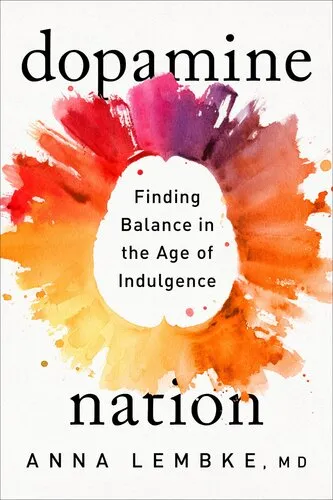
Introduction to 'Dopamine Nation: Finding Balance in the Age of Indulgence'
In today’s modern world, we are living in an unprecedented age of abundance and indulgence. While technological advancements, globalization, and societal progress have undoubtedly enriched our lives, they’ve also given rise to an environment where pleasure can be instantly accessed at the push of a button. Whether it’s food, social media, sex, drugs, shopping, or entertainment, human beings are awash with opportunities to stimulate the brain’s reward system. But why does this feel so overwhelming, and what are the consequences of living in a pleasure-saturated society?
'Dopamine Nation: Finding Balance in the Age of Indulgence', written by psychiatrist and addiction specialist Dr. Anna Lembke, explores these pressing questions by diving deep into the role of dopamine — the neurotransmitter responsible for our experiences of pleasure and reward. Through compelling stories of her patients, cutting-edge neuroscience, and a blend of philosophy and psychology, Dr. Lembke reveals how overindulgence affects our brain chemistry and why the constant pursuit of pleasure often leads to pain.
This book isn’t just about understanding the science of addiction; it’s a guide to rediscovering balance in an unbalanced world. Dr. Lembke provides practical strategies to recalibrate the brain, foster resilience, and embrace discomfort as a path toward a more fulfilling life.
Detailed Summary of the Book
At its core, 'Dopamine Nation' is built around a central concept: the pleasure-pain balance. Dr. Lembke explains that our brain is constantly trying to maintain homeostasis, and every pleasurable experience triggers not only an immediate surge of dopamine but also a subsequent "balancing mechanism" to restore equilibrium. The catch? This balancing mechanism often comes in the form of pain or withdrawal. Prolonged pleasure-seeking behaviors — whether scrolling on your phone or using substances — keep tipping the scale toward pleasure, forcing the brain to counteract with more intense feelings of withdrawal or discomfort.
The book blends anecdotal evidence from Dr. Lembke’s patients with rigorous scientific explanations. She shares stories of individuals grappling with various forms of overindulgence — from smartphone addiction to opioid dependence — helping readers empathize and recognize themselves in these narratives. Through their struggles, triumphs, and relapses, readers gain insight into how the human brain responds to a dopamine-overloaded environment.
Dr. Lembke doesn’t stop at diagnosis; she also offers actionable advice, such as embracing periods of abstinence and leaning into discomfort as a way to reset the dopamine system. She reveals how practices like delayed gratification, mindfulness, and cultivating deep, meaningful connections can lead to genuine contentment and balance.
Key Takeaways
- Dopamine drives both pleasure and pain, creating a delicate balance that modern indulgences frequently disrupt.
- The more frequently we indulge in pleasure, the less rewarding those pleasures become over time, leading to dependence and unhappiness.
- Modern society fosters addictive behaviors by offering quick access to high-dopamine activities, making it vital to create self-imposed constraints.
- True balance involves embracing discomfort as a necessary part of life, which allows the brain to reset and regain sensitivity to pleasure.
- Connection with others and a sense of purpose are crucial antidotes to modern forms of overindulgence and addiction.
Famous Quotes from the Book
"We have lost the ability to tolerate even minor forms of discomfort."
"The relentless pursuit of pleasure and avoidance of pain leads to anhedonia, the inability to enjoy pleasure."
"The antidote to addiction is not sobriety. It is a life of meaning."
Why This Book Matters
'Dopamine Nation' matters because it speaks directly to a universal struggle in the modern era: the battle between instant gratification and long-term well-being. As we deal with a world that increasingly caters to our most primal desires, this book provides a much-needed framework to understand why we often feel unhappy or unfulfilled despite having so much. Dr. Lembke’s insights don’t just help us understand addiction but also offer tools to live a life of purpose, connection, and genuine satisfaction.
In an age where addictive behaviors are nearly unavoidable, 'Dopamine Nation' is a timely and life-changing guide for anyone who seeks to overcome compulsions, build resilience, and find joy in simplicity. It’s not just a book for those who struggle with addiction; it’s a book for everyone who wants to navigate the challenges posed by an overstimulated, pleasure-seeking society.