Book guide and evaluation
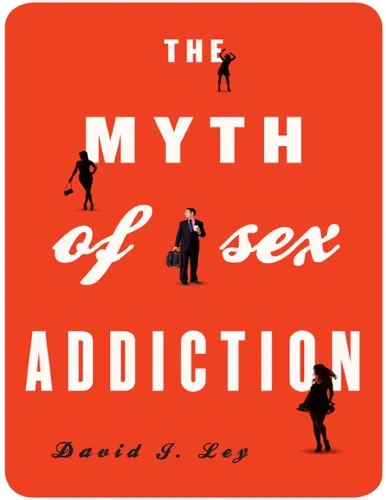
The Myth of Sex Addiction
David J. Ley
English
Unordered
Psychiatry & Psychology
4.5 / 5
0 reviews
2012
Published
177
pages
360
views
The media today is filled with powerful men in trouble for their sexual behaviors, and invariably, they are diagnosed as sexual addicts. Once, these behaviors were considered a moral failing, but now they are viewed as evidence of a fictitious disease, that of "sexual addiction."
Before you read
What will you get from this book?
The media today is filled with powerful men in trouble for their sexual behaviors, and invariably, they are diagnosed as sexual addicts. Once, these behaviors were considered a moral failing, but now they are viewed as evidence of a fictitious disease, that of "sexual addiction." The concept of sexual addiction is a controversial one because it is based on poor research and subjective moral judgments. Despite claims to the contrary, sex addiction is not a medically or scientifically accepted diagnosis. Sex addiction is a belief system, supported by faith, conviction and religious principles, that represents an attack on sexuality. Labeling these behaviors as sex addiction asserts a false, dangerous myth that undermines personal responsibility. Not only does this supposed epidemic of sex addiction mislabel male sexuality as dangerous and unhealthy, but it destroys our ability to hold people accountable for their behaviors. By labeling males as weak and powerless before the onslaught of desire and the churning tide of lust, we take away those things that men should live up to: personal responsibility; integrity; self-control; independence; accountability; self-motivation; honor; respect for self and others.
In The Myth of Sex Addiction, Dr. David Ley presents the cultural history, moral judgments and junk science underlying this alleged disorder. He exposes the subjective values embedded in the concept, as well as the significant economic factors that drive the label of sex addiction in clinical practice and the popular media. Ley outlines how this label represents a social attack on many forms of sexuality--male sexuality in particular--as well as presenting the difficulty this label creates in holding people responsible for their sexual behaviors. Going against current assumptions and trends, Ley debunks the idea that sex addiction is real. Instead, he suggests that the high-sex behaviors of some men is something that has been tacitly condoned for countless years and is only now labeled as a disorder as men are being held accountable to the same rules that have been applied to women. He suggests we should expect men to take responsibility for sexual choices, rather than supporting an approach that labels male sexual desire as a "demonic force" that must be resisted, feared, treated, and exorcised.
Ask this book
Your question is answered in the context of this title and author. Each answer uses 2 points.
Sign in to ask the book assistant.
Reader reviews
0 reviews, 4.5 average out of 5
No reviews yet
If you have read this book, help the next reader with your experience.
Write a review
Sign in to publish a review.
Reader questions and answers
Ask a focused question and learn from the community.
Sign in to ask or answer a question.
No questions yet
Be the first to ask a clear, useful question.
What to read next
Related references that continue this learning path.
Sexual Perversion: Integrative Treatment Approaches for the Clinician
Sheldon Travin M.D.,Barry Protter Ph.D. (auth.)
1993
View book