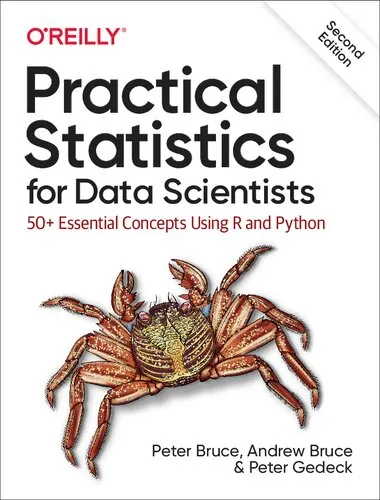
Practical Statistics for Data Scientists: 50+ Essential Concepts Using R and Python
Peter Bruce,Andrew Bruce,Peter Gedeck
2020
View book
Book guide and evaluation
Liberty Vittert
0 reviews
Published
pages
views
Introduction Data is everywhere. From the moment we wake up to the time we go to bed, we're surrounded by a sea of information that drives our decisions, fuels innovation, and transforms our understanding of the world. But how do we make sense of it all? How do we navigate
Before you read
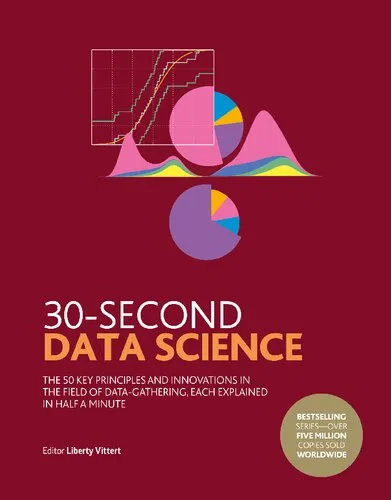
Data is everywhere. From the moment we wake up to the time we go to bed, we're surrounded by a sea of information that drives our decisions, fuels innovation, and transforms our understanding of the world. But how do we make sense of it all? How do we navigate the complex, often intimidating field of data science? That’s where "30-Second Data Science: The 50 Key Principles and Innovations in the Field of Data-Gathering, Each Explained in Half a Minute" comes in—a book designed to demystify data science for everyone. Whether you're a curious beginner or a seasoned professional, this book breaks down the essentials of data science into bite-sized, easy-to-digest chunks.
Written with clarity and precision, this book takes a complex and ever-evolving discipline and distills it into 50 of its most essential principles and innovations. Each concept is explained in just 30 seconds or less, making it the ideal reference for busy professionals, students, or anyone looking to gain foundational knowledge in data science quickly. Let's dive into why this book is a game changer for understanding one of the most dynamic fields of our time.
The book is structured around five primary areas of data science: collecting data, processing data, analyzing data, interpreting results, and the ethical considerations of working with data. Each section contains concise explanations of core concepts, such as machine learning, regression analysis, big data, data visualization, and artificial intelligence. Accompanying these explanations are real-world examples, making the material not only comprehensible but also applicable.
It's not just a technical manual—it’s a narrative journey through the explosive growth of data and its impact on technology, industry, and even society. For instance, you’ll uncover how recommendation algorithms transform shopping experiences, why data ethics are crucial in maintaining societal trust, and what lies ahead for data scientists in the age of automation. By exploring both foundational principles and cutting-edge advancements, the book serves as both a primer for newcomers and a refresher for seasoned practitioners.
"Data doesn’t just tell stories—it reveals truths hidden beneath the surface."
"In a world awash with information, the ability to interpret, analyze, and act on data is the new superpower."
"Ethics in data science isn't optional; it's the foundation of trust in every insight we uncover."
In the 21st century, data is as valuable as oil, powering industries and shaping how decisions are made across the globe. Whether you're analyzing customer behavior, predicting healthcare outcomes, or designing algorithms that power self-driving cars, the principles of data science are at the core of modern innovation. Yet, for many, the discipline feels overwhelming or out of reach.
"30-Second Data Science" bridges that gap. It offers a way to understand data science without requiring years of study or a PhD in statistics. By breaking down complex concepts into accessible, engaging content, this book democratizes the field, allowing anyone to harness the power of data. In doing so, it equips readers not just with knowledge, but with the confidence to engage with data in meaningful, impactful ways.
This book matters because data science matters—and understanding it is no longer optional. Whether you’re using data in your daily job, navigating the complexities of online algorithms, or simply trying to make sense of the headlines, this book is your guide to becoming a more informed, capable participant in our data-driven world.
Your question is answered in the context of this title and author. Each answer uses 2 points.
0 reviews, 4.3 average out of 5
Sign in to publish a review.
Ask a focused question and learn from the community.
Related references that continue this learning path.
Peter Bruce,Andrew Bruce,Peter Gedeck
Harald Ibach,Hans Lüth (auth.)