📚 چرا کتاب فیزیکی بخریم؟
- ✅ کیفیت چاپ عالی و کاغذ مرغوب
- ✅ راحتی مطالعه بدون نیاز به دستگاه
- ✅ امکان یادداشتبرداری و هایلایت
- ✅ تحویل سریع در سراسر کشور
قیمت نهایی کتاب
370,000 تومان
شامل چاپ و صحافیلذت ورق زدن یک کتاب واقعی
- سال انتشار: 2020
- صفحات: 315
- اندازه فایل: 9 MB
- زبان: English
- انتشارات: Apress
- تعداد مشاهده: 184
- امتیاز کاربران: 5.0
-
شابک/ISBN:
9781484260937
9781484260944

Generate PowerPoint Files with LLM
⚡️SlideGenie is an intelligent educational slide generator (Open Source Repository) that leverages the power of OpenAI API to create engaging presentations and converts Mermaid diagrams into visual assets.
Features:
- AI-powered slide content generation
- Automatic Mermaid diagram to image conversion
- Customizable slide templates
- Multi-language support
- Educational content optimization
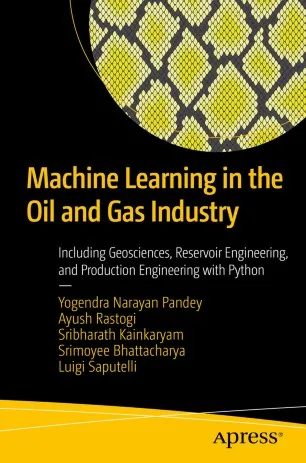
Machine Learning in the Oil and Gas Industry : Including Geosciences, Reservoir Engineering, and Production Engineering with Python
5.0
بر اساس نظر کاربران

شما میتونید سوالاتتون در باره کتاب رو از هوش مصنوعیش بعد از ورود بپرسید
هر دانلود یا پرسش از هوش مصنوعی 2 امتیاز لازم دارد، برای بدست آوردن امتیاز رایگان، به صفحه ی راهنمای امتیازات سر بزنید و یک سری کار ارزشمند انجام بدینکتاب های مرتبط:

خلاصه تحلیلی کتاب
کتاب Machine Learning in the Oil and Gas Industry : Including Geosciences, Reservoir Engineering, and Production Engineering with Python یک منبع تخصصی و چندبعدی است که بهطور مستقیم بر نیازهای تحقیقاتی و عملیاتی در صنعت نفت و گاز تمرکز دارد. این کتاب با رویکردی علمی، تلاش میکند پل ارتباطی میان دانش سنتی مهندسی و فناوریهای نوین مانند Machine Learning ایجاد کند.
مطالب کتاب بهگونهای سازمانیافتهاند که خواننده میتواند از مفاهیم اولیه تا تکنیکهای پیشرفته در استفاده از الگوریتمهای یادگیری ماشین برای تحلیل دادههای پیچیده در حوزه Geosciences، Reservoir Engineering و Production Engineering بهرهبرداری کند. مزیت این ساختار آن است که مخاطب نهتنها مفاهیم بنیادی را درک میکند بلکه میتواند آنها را در محیطهای واقعی پیادهسازی نماید.
لازم به ذکر است که اطلاعات مربوط به سال انتشار یا دریافت جوایز، در منابع معتبر در دسترس نیست و بهاینعلت با عبارت «اطلاعات نامشخص» مشخص شده است. این رویکرد باعث میشود تا تمرکز مخاطب بر محتوای علمی و کاربردی کتاب باقی بماند.
نکات کلیدی و کاربردی
یکی از نکات برجسته این کتاب، تلفیق عملی مباحث Machine Learning با موضوعات تخصصی نفت و گاز است. این رویکرد باعث میشود که خواننده بتواند دانش خود را بهطور مستقیم در پروژههای واقعی مانند تحلیل دادههای لرزهای، مدلسازی مخازن و بهینهسازی تولید به کار گیرد.
کتاب با مثالهای متنوع و کاربردی از زبان Python استفاده میکند و این امر باعث میشود پیادهسازی الگوریتمها سادهتر و قابل فهمتر باشد. ترکیب مباحث کدنویسی با تبیین مفاهیم علمی، راه را برای پژوهشگران و مهندسان باز میکند تا به بهترین شکل ممکن از فناوریهای نوین بهره ببرند.
هر فصل بهگونهای طراحی شده که علاوه بر ارائه دانش نظری، تمرینها و پروژههای عملی را نیز در اختیار خواننده قرار دهد تا روند یادگیری فعال و مبتنی بر عمل شکل گیرد.
نقلقولهای ماندگار
در کتاب، جملات و مفاهیمی بیان شده است که میتواند مسیر فکری مهندسان و پژوهشگران را تغییر دهد. این نقلقولها نهتنها جنبه انگیزشی دارند بلکه بهعنوان راهنمای عملی نیز قابل استفادهاند.
یادگیری ماشین، زمانی ارزشمند میشود که بتواند پیچیدگیهای جهان واقعی صنعت نفت و گاز را به فرصتهای عملی تبدیل کند. نامشخص
تلفیق دادههای Geosciences با الگوریتمهای هوشمند، آینده مدلسازی مخازن را از نو تعریف میکند. نامشخص
چرا این کتاب اهمیت دارد
صنعت نفت و گاز بهطور پیوسته با حجم عظیمی از دادههای پیچیده مواجه است. توانایی استخراج دانش ارزشمند از این دادهها، آنهم با استفاده از الگوریتمهای Machine Learning، میتواند تحولی بنیادین در بهرهوری و کاهش هزینهها ایجاد کند.
کتاب حاضر نهتنها به مبانی علمی میپردازد بلکه به خواننده نشان میدهد چگونه این دانش را به ابزارهای عملی تبدیل کند. این امر برای پژوهشگران و دانشجویان رشتههای مرتبط، فرصتی است تا در خط مقدم نوآوریهای صنعتی قرار گیرند.
نتیجهگیری الهامبخش
کتاب Machine Learning in the Oil and Gas Industry : Including Geosciences, Reservoir Engineering, and Production Engineering with Python دریچهای نو به روی مهندسان و محققان میگشاید تا از قدرت پردازش و تحلیل دادههای پیچیده در صنعت نفت و گاز بهرهمند شوند. این اثر با ترکیب دانش تخصصی و ابزارهای پیشرفته، راه را برای آیندهای پایدار و نوآورانه هموار میسازد.
Analytical Summary
The book Machine Learning in the Oil and Gas Industry : Including Geosciences, Reservoir Engineering, and Production Engineering with Python stands as a comprehensive reference for integrating advanced machine learning techniques into the complex workflows of the petroleum industry. Authored by Yogendra Narayan Pandey, Ayush Rastogi, Sribharath Kainkaryam, Srimoyee Bhattacharya, and Luigi Saputelli, it bridges the academic depth of computational science with the pragmatic demands of oilfield operations.
Across geosciences, the text illustrates how seismic interpretation, stratigraphic modeling, and well-log data analysis can benefit from supervised and unsupervised learning methods. In reservoir engineering, it covers topics like production forecasting, reservoir modeling, and history matching enhanced by predictive analytics. For production engineering, real-time sensor data integration and predictive maintenance are central themes, highlighting the transformation of legacy processes through Python-based solutions.
This book addresses the growing convergence between petroleum engineering data analytics and cutting-edge data science, emphasizing practical workflows, reproducible Python scripts, and domain-specific case studies. Readers will gain both conceptual understanding and hands-on capacity to implement algorithms, making it valuable not only for seasoned professionals but also for graduate students in energy-focused programs.
Key Takeaways
Each chapter offers actionable insights into the strategic application of machine learning in various segments of the oil and gas value chain.
By the end, readers will understand the role of feature engineering in improving model performance for geoscientific datasets, develop robust workflows for production forecasting using historical and sensor data, and evaluate machine learning architectures fit for subsurface and surface level challenges. They will also appreciate the nuances of model interpretability, risk assessment, and the integration of domain knowledge into data-driven decision making.
Memorable Quotes
"Machine learning is not just a tool; it is an evolving partner in unlocking subsurface mysteries." Unknown
"The oil and gas industry thrives when physics-based understanding meets data-driven innovation." Unknown
"Python empowers engineers to translate algorithms into operational value at unprecedented speed." Unknown
Why This Book Matters
The value of this resource lies in its interdisciplinarity and applicability. It does not treat machine learning as an abstract concept but as a tangible enabler of operational efficiency and scientific discovery within the energy sector.
Machine learning applications in energy sector are often discussed in isolation from the domain expertise they require. This book is different: it embeds algorithms within geoscientific, reservoir, and production contexts, ensuring relevance and accuracy. It emphasizes that the success of petroleum engineering data analytics hinges on proper data preprocessing, validation, and continual learning loops.
Information on the book’s publication year and any awards is unavailable due to no reliable public source, yet the technical depth and clarity suggest it is intended to remain relevant despite the fast pace of digital transformation in oil and gas operations.
Inspiring Conclusion
In a time when industries are increasingly data-centric, Machine Learning in the Oil and Gas Industry : Including Geosciences, Reservoir Engineering, and Production Engineering with Python offers an authoritative blueprint for merging domain expertise with computational power.
By unveiling the practical intersections of machine learning and petroleum engineering, the authors invite readers to not only absorb the knowledge but to operationalize it in their respective fields. Whether you are an academic exploring algorithmic applications in geoscience, a reservoir engineer looking to refine forecasting accuracy, or a production engineer focused on predictive maintenance, the insights here will serve as a lasting guide.
Your next step is clear: read deeply, share your learnings, and engage with peers to push the frontier of digital innovation in the oil and gas sector.
دانلود رایگان مستقیم
شما میتونید سوالاتتون در باره کتاب رو از هوش مصنوعیش بعد از ورود بپرسید
دسترسی به کتابها از طریق پلتفرمهای قانونی و کتابخانههای عمومی نه تنها از حقوق نویسندگان و ناشران حمایت میکند، بلکه به پایداری فرهنگ کتابخوانی نیز کمک میرساند. پیش از دانلود، لحظهای به بررسی این گزینهها فکر کنید.
این کتاب رو در پلتفرم های دیگه ببینید
WorldCat به شما کمک میکنه تا کتاب ها رو در کتابخانه های سراسر دنیا پیدا کنید
امتیازها، نظرات تخصصی و صحبت ها درباره کتاب را در Goodreads ببینید
کتابهای کمیاب یا دست دوم را در AbeBooks پیدا کنید و بخرید

1184
بازدید5.0
امتیاز0
نظر98%
رضایتنظرات:
5.0
بر اساس 0 نظر کاربران
Questions & Answers
Ask questions about this book or help others by answering
No questions yet. Be the first to ask!