
![Cover of Unleashing the Power of UX Analytics: Proven techniques and strategies for uncovering user insights [Team-IRA] [True PDF]](https://s3.refhub.ir/images/thumb/Unleashing_the_Power_of_UX_Analytics__Proven__9372.webp)
Book guide and evaluation
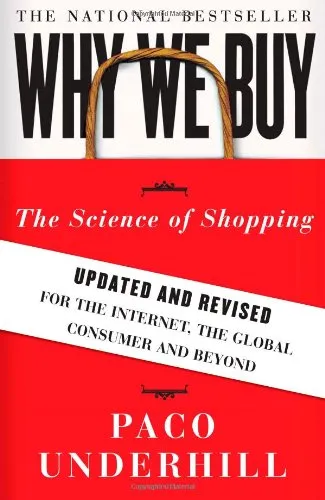
Why We Buy: The Science of Shopping--Updated and Revised for the Internet, the Global Consumer, and Beyond
Paco Underhill
English
Beginner
User Research
4.6 / 5
0 reviews
2008
Published
309
pages
537
views
Welcome to the fascinating world of retail psychology as explored in the revised edition of "Why We Buy: The Science of Shopping", a seminal work by Paco Underhill. This book delves deep into the nuances of consumer behavior, offering insights that transcend traditional shoppin
Before you read
What will you get from this book?
Welcome to the fascinating world of retail psychology as explored in the revised edition of "Why We Buy: The Science of Shopping", a seminal work by Paco Underhill. This book delves deep into the nuances of consumer behavior, offering insights that transcend traditional shopping environments and adapt to the evolving digital landscape of the global market.
Detailed Summary of the Book
Paco Underhill's "Why We Buy" offers an intriguing exploration into the art and science of retail environments. Through years of meticulous research and observation, Underhill has amassed a wealth of data and insights into consumer habits. The original premise of the book focused on understanding the behaviors and motivations of shoppers within physical retail spaces. However, the updated edition expands its scope to consider the burgeoning influence of the internet on shopping habits and the rise of the global consumer.
Underhill starts by introducing us to the world of "retail anthropology". This approach involves observing real shoppers in real shopping environments to uncover why they buy or, more importantly, why they don't. Throughout the book, readers are taken on a journey through malls, boutiques, and mega-stores around the world, each case study adding a layer to our understanding of consumer psychology.
The book then pivots to address the challenges modern retailers face in the digital age. Online shopping has redefined consumer expectations, and the global market demands a more personalized shopping experience. Underhill offers insights into how brick-and-mortar stores can adapt and thrive amidst these changes by enhancing customer engagement and satisfaction.
Key Takeaways
- Recognize the subtle cues that influence buying decisions, from store layout to sensory experiences.
- Understand the concept of the "butt-brush effect"—how crowded spaces can deter sales.
- Learn how digital and physical retail experiences can coexist symbiotically.
- Grasp the shift in consumer power dynamics with the rise of online shopping.
Famous Quotes from the Book
"If you can't see it, you won't buy it."
"Shopping is seduction."
"When you’re really tiny, you have trouble seeing at adult level: there’s too much stuff in the way."
Why This Book Matters
In a rapidly evolving retail landscape, understanding consumer behavior is more critical than ever. This book equips retailers, marketers, and business students with practical tools and insights to innovate and succeed. As stores transition from merely supplying goods to creating enriched experiences, "Why We Buy" serves as an invaluable guide. Beyond business, it offers everyday consumers an eye-opening perspective on their own habits and choices.
Through its engaging narrative and detailed analyses, "Why We Buy" transcends the boundaries of a mere retail manual, delving into the psychology that drives consumerism at every level.
Ask this book
Your question is answered in the context of this title and author. Each answer uses 2 points.
Sign in to ask the book assistant.
Reader reviews
0 reviews, 4.6 average out of 5
No reviews yet
If you have read this book, help the next reader with your experience.
Write a review
Sign in to publish a review.
Reader questions and answers
Ask a focused question and learn from the community.
Sign in to ask or answer a question.
No questions yet
Be the first to ask a clear, useful question.
What to read next
Related references that continue this learning path.
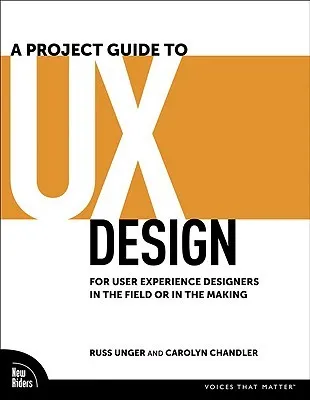
A project guide to UX design: for user experience designers in the field or in the making
Unger, Russ;Chandler, Carolyn
2009;2012
View book
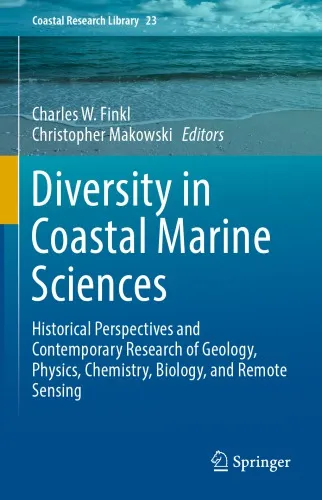
Diversity in coastal marine sciences : historical perspectives and contemporary research of geology, physics, chemistry, biology, and remote sensing
Bologa, Alexandru S.;Finkl, Charles W.;Makowski, Christopher
2018
View book