
Book guide and evaluation
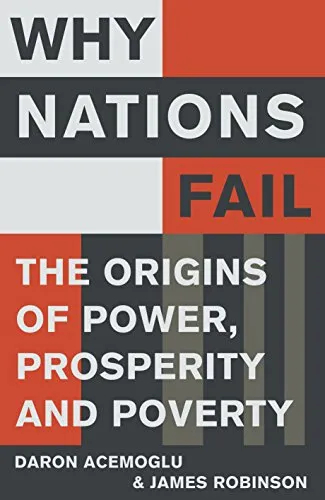
Why Nations Fail: The Origins of Power, Prosperity and Poverty
Daron Acemoglu,James A. Robinson
English
Intermediate
novel
4.5 / 5
0 reviews
2012
Published
541
pages
678
views
Introduction to "Why Nations Fail: The Origins of Power, Prosperity and Poverty" Written by renowned economists Daron Acemoglu and James A. Robinson, "Why Nations Fail: The Origins of Power, Prosperity and Poverty" is a compelling exploration into the reasons behind the rich-p
Before you read
What will you get from this book?
Introduction to "Why Nations Fail: The Origins of Power, Prosperity and Poverty"
Written by renowned economists Daron Acemoglu and James A. Robinson, "Why Nations Fail: The Origins of Power, Prosperity and Poverty" is a compelling exploration into the reasons behind the rich-poor divide among countries. This thought-provoking book leverages historical analysis, economic principles, and political theories to unravel the factors that lead to prosperity or poverty in different nations.
Detailed Summary of the Book
At its core, "Why Nations Fail" posits that it is not geography, culture, or values that determine the economic success or failure of a nation. Instead, it argues that the key factor is the nature of political and economic institutions. The authors make a powerful case for institutionalism, emphasizing that inclusive political institutions enable the establishment of inclusive economic institutions, which in turn foster innovation, safeguard property rights, and encourage investment. Contrarily, extractive institutions are constructed to extract wealth and resources for the benefit of an elite, leading to instability, corruption, and, ultimately, the failure of nations.
The book takes readers through compelling historical case studies, from the Neolithic Revolution to the Industrial Revolution, across continents from Latin America and Africa to the United States and Eastern Europe. These examples illustrate how the development and evolution of institutions play a critical role in shaping the economic destinies of nations.
Key Takeaways
1. Institutions Matter: Inclusive institutions are crucial for ensuring sustainable economic growth and prosperity. They empower individuals, fuel innovation, and provide opportunities across society.
2. The Role of Politics: Political power is integral in shaping economic outcomes. Democratic governance with checks and balances is often a precursor to successful economic institutions.
3. Innovation and Creative Destruction: Technological advancement and creative destruction drive progress and economic development, which are only possible under inclusive systems that embrace change and invention.
Famous Quotes from the Book
"Nations fail today because their extractive economic institutions do not create the incentives needed for people to save, invest, and innovate."
"Inclusive economic institutions foster economic activity, productivity growth, and economic prosperity."
Why This Book Matters
"Why Nations Fail" is a critical contribution to the discourse on global economic inequalities. By shedding light on the central role of institutions in shaping economic outcomes, the book challenges long-held assumptions about the determinism of geography, culture, or natural resources. It offers a paradigm shift in understanding economic development and provides actionable insights for policymakers seeking to foster sustainable growth and equality in their countries.
The book is not just an academic exploration; it's a call to action. It emphatically demonstrates that nations, through conscious design and political will, can change their trajectories regardless of initial conditions. This makes "Why Nations Fail" an indispensable resource for scholars, leaders, and anyone interested in the complexities that underlie global prosperity and poverty.
Ask this book
Your question is answered in the context of this title and author. Each answer uses 2 points.
Sign in to ask the book assistant.
Reader reviews
0 reviews, 4.5 average out of 5
No reviews yet
If you have read this book, help the next reader with your experience.
Write a review
Sign in to publish a review.
Reader questions and answers
Ask a focused question and learn from the community.
Sign in to ask or answer a question.
No questions yet
Be the first to ask a clear, useful question.
What to read next
Related references that continue this learning path.