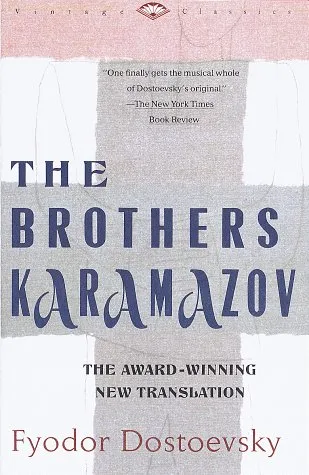
The Brothers Karamazov (Vintage Classics) (Everyman's Library, #70)
Fyodor Dostoyevsky, Richard Pevear, Larissa Volokhonsky;Malcolm V. Jones
1992
View book
Book guide and evaluation
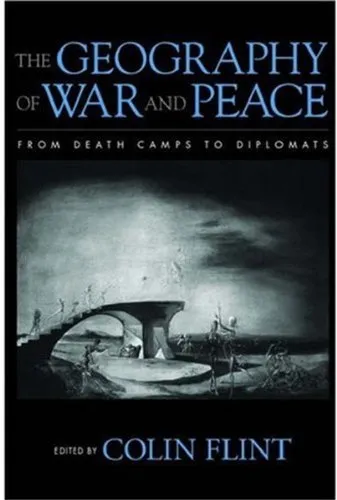
Colin Flint
0 reviews
Published
pages
views
Introduction Welcome to the compelling analysis of how geography plays a pivotal role in both the conflicts and resolutions that define our world. 'The Geography of War and Peace: From Death Camps to Diplomats' offers a profound exploration of the spatial dimen
Before you read
Welcome to the compelling analysis of how geography plays a pivotal role in both the conflicts and resolutions that define our world. 'The Geography of War and Peace: From Death Camps to Diplomats' offers a profound exploration of the spatial dimensions of conflicts and peace-building efforts, detailing how physical and human geographies affect these phenomena.
The book intricately weaves narratives of geopolitical conflicts and peace processes with geographic insights to demonstrate how our physical and political landscapes shape and are shaped by warfare and diplomatic endeavors. By investigating varied case studies, from the death camps of World War II to modern-day negotiating tables, it highlights the significant roles geography plays in influencing war tactics, resource allocation, strategic planning, and peace negotiations.
Divided into multiple compelling sections, the book first lays a historical foundation, explaining how geography has historically influenced warfare—from the tactical advantages provided by terrains to the strategic dilemmas posed by borders. It then transitions into modern contexts, where global interconnectivity and geopolitical shifts redefine the maps of conflict and cooperation.
A unique aspect of the book is its ability to convey complex geopolitical issues in an accessible manner, making it an essential read not just for academia but also for policy-makers, diplomats, and general readers interested in understanding the nexus of geography and international relations.
"Geography does not merely determine the position of nations but the very conditions through which peace and conflict emerge."
"Understanding the map is understanding the conflict; to navigate the landscape is to know the paths to peace."
"In the shadows of borders lie the tales of triumph and tragedy intertwined, forever shaping human endeavors."
This book is a crucial read in today's world where understanding the factors that lead to conflict and peace is more critical than ever. As global challenges become increasingly complex, 'The Geography of War and Peace' offers indispensable insights into spatial dimensions that influence international relations. The book's meticulous examination of past and present conflicts and peace processes illuminates the paths forward, making it a valuable resource for anyone engaged in the discourse of war, peace, and the spaces in between.
Moreover, by emphasizing the importance of geographic understanding, the book serves as a guide for policymakers and leaders striving to navigate the turbulent waters of global diplomacy, armed with a deeper comprehension of the spatial aspects of their decisions and their far-reaching consequences.
Persian Summary
Your question is answered in the context of this title and author. Each answer uses 2 points.
0 reviews, 3.9 average out of 5
Sign in to publish a review.
Ask a focused question and learn from the community.
Related references that continue this learning path.
Fyodor Dostoyevsky, Richard Pevear, Larissa Volokhonsky;Malcolm V. Jones


Leo Tolstoy,Richard Pevear,Larissa Volokhonsky,John Bayley