Loading
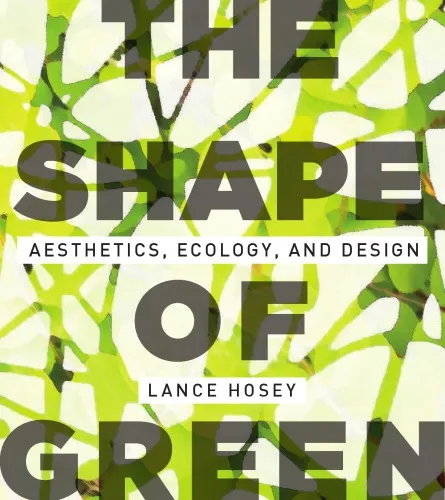
Cover of The shape of green: aesthetics, ecology, and design

Book guide and evaluation

The shape of green: aesthetics, ecology, and design

Hosey,Lance

English Beginner Product Design
5.0 / 5

1 reviews

2012

Published

214

pages

915

views

Introduction to 'The Shape of Green: Aesthetics, Ecology, and Design' Lance Hosey’s 'The Shape of Green: Aesthetics, Ecology, and Design' is a pioneering exploration into the nexus of beauty and sustainability in the realm of design. This book introduces readers to the critica

Before you read

What will you get from this book?

Introduction to 'The Shape of Green: Aesthetics, Ecology, and Design'

Lance Hosey’s 'The Shape of Green: Aesthetics, Ecology, and Design' is a pioneering exploration into the nexus of beauty and sustainability in the realm of design. This book introduces readers to the critical, yet often overlooked, intersection of aesthetics and ecological responsibility.

Detailed Summary

'The Shape of Green' argues that beauty and sustainability are not mutually exclusive; in fact, they can enhance one another. Hosey delves into the powerful role aesthetics play in not just creating sustainability but also in compelling people to engage with eco-friendly practices. He posits that beautiful design is inherently sustainable because it is more likely to endure, both physically and emotionally.

The book is divided into three parts. The first part addresses the cultural assumptions about aesthetics and sustainability. Hosey challenges the stereotype that sustainable products cannot be aesthetically pleasing. The second part presents the principles of beautiful, sustainable design. Through practical examples and detailed analysis, Hosey demonstrates how designers can integrate aesthetics with environmentally responsible techniques. The third section envisions a future where design shapes a more sustainable world.

Throughout the book, Hosey provides a compelling case for a new kind of design thinking that harmonizes form and function with ecological mindfulness. By fusing scientific insights with artistic innovation, 'The Shape of Green' elevates the conversation about design from mere functionality to a life-enhancing practice.

Key Takeaways

  • Beauty and sustainability are interconnected; integrating both promotes durability and engagement.
  • Aesthetic quality in design can drive environmental consciousness and action.
  • Sustainable design principles can be applied across various domains, influencing not just architecture but also product design and urban planning.
  • Designers have a responsibility to challenge norms and redefine beauty to encompass harmony with the environment.
  • The future of design lies in embracing innovation that does not compromise ecology for aesthetics or vice versa.

Famous Quotes from the Book

"Sustainability needs to be beautiful to be sustainable."

"Design’s great promise is to create a new sort of harmony between humanity and nature."

"To be truly sustainable, design must sustain our deepest desire to connect with the world around us."

Why This Book Matters

In an age where climate change, resource depletion, and environmental degradation dominate global concerns, 'The Shape of Green' stands as a seminal text advocating for a revolution in design thinking. Hosey’s insights reveal how embedding sustainability within the aesthetics of design can catalyze a broader cultural shift towards ecological integrity.

By elucidating how sustainable design promotes emotional attachment, Hosey provides a roadmap for designers to engage audiences in both artistic appreciation and environmental stewardship. This book matters because it empowers designers, architects, and creators of all kinds with the tools to craft a world that is not only sustainable but also inspiring and beautiful.

'The Shape of Green' challenges professionals and enthusiasts alike to rethink the impact of their work on the planet. By prioritizing an integrated approach to aesthetics and ecology, Lance Hosey sets a new standard for future design endeavours, encouraging a legacy of systems that nurture the planet while delighting the senses.

Ask this book

Your question is answered in the context of this title and author. Each answer uses 2 points.

Sign in to ask the book assistant.

Reader reviews

1 reviews, 5.0 average out of 5

bao1

2025/10/20

5 / 5

Architect and theorist Lance Hosey opens the book with a provocative question:

“Why are sustainable buildings so often ugly?”

From this question, Hosey builds his central argument — that sustainability and beauty should never be separated. A truly “green” building must not only perform efficiently in ecological terms but also evoke an emotional and aesthetic connection with its users.

The book is structured into six main chapters, moving from philosophical discussions of ecological aesthetics to its practical applications in design. Hosey proposes a vision of ecological aesthetics where beauty is not superficial decoration but a visible expression of sustainability.


Write a review

Sign in to publish a review.

Reader questions and answers

Ask a focused question and learn from the community.

Sign in to ask or answer a question.

No questions yet

Be the first to ask a clear, useful question.