Loading
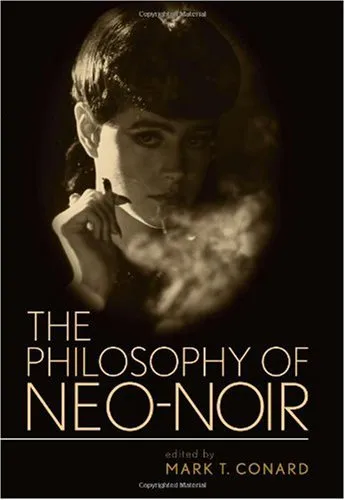
Cover of The Philosophy of Neo-Noir (The Philosophy of Popular Culture)

Book guide and evaluation

The Philosophy of Neo-Noir (The Philosophy of Popular Culture)

Mark T. Conard

English Intermediate novel
4.3 / 5

0 reviews

2007

Published

222

pages

402

views

Film noir is a classic genre characterized by visual elements such as tilted camera angles, skewed scene compositions, and an interplay between darkness and light. Common motifs include crime and punishment, the upheaval of traditional moral values, and a pessimistic stance on th

Before you read

What will you get from this book?

Film noir is a classic genre characterized by visual elements such as tilted camera angles, skewed scene compositions, and an interplay between darkness and light. Common motifs include crime and punishment, the upheaval of traditional moral values, and a pessimistic stance on the meaning of life and on the place of humankind in the universe. Spanning the 1940s and 1950s, the classic film noir era saw the release of many of Hollywood's best-loved studies of shady characters and shadowy underworlds, including Double Indemnity, The Big Sleep, Touch of Evil, and The Maltese Falcon. Neo-noir is a somewhat loosely defined genre of films produced after the classic noir era that display the visual or thematic hallmarks of the noir sensibility. The essays collected in The Philosophy of Neo-Noir explore the philosophical implications of neo-noir touchstones such as Blade Runner, Chinatown, Reservoir Dogs, Memento, and the films of the Coen brothers. Through the lens of philosophy, Mark T. Conard and the contributors examine previously obscure layers of meaning in these challenging films. The contributors also consider these neo-noir films as a means of addressing philosophical questions about guilt, redemption, the essence of human nature, and problems of knowledge, memory and identity. In the neo-noir universe, the lines between right and wrong and good and evil are blurred, and the detective and the criminal frequently mirror each other's most debilitating personality traits. The neo-noir detective -- more antihero than hero -- is frequently a morally compromised and spiritually shaken individual whose pursuit of a criminal masks the search for lost or unattainable aspects of the self. Conard argues that the films discussed in The Philosophy of Neo-Noir convey ambiguity, disillusionment, and disorientation more effectively than even the most iconic films of the classic noir era. Able to self-consciously draw upon noir conventions and simultaneously subvert them, neo-noir directors push beyond the earlier genre's limitations and open new paths of cinematic and philosophical exploration.

Ask this book

Your question is answered in the context of this title and author. Each answer uses 2 points.

Sign in to ask the book assistant.

Reader reviews

0 reviews, 4.3 average out of 5

No reviews yet

If you have read this book, help the next reader with your experience.

Write a review

Sign in to publish a review.

Reader questions and answers

Ask a focused question and learn from the community.

Sign in to ask or answer a question.

No questions yet

Be the first to ask a clear, useful question.