
The new glucose revolution low GI gluten-free eating made easy: the essential guide to the glycemic index and gluten-free living
Jennie Brand-Miller,Kate Marsh,Philippa Sandall
2008
View book
Book guide and evaluation
Dr. Jennie Brand-Miller,Thomas M.S. Wolever
0 reviews
Published
pages
views
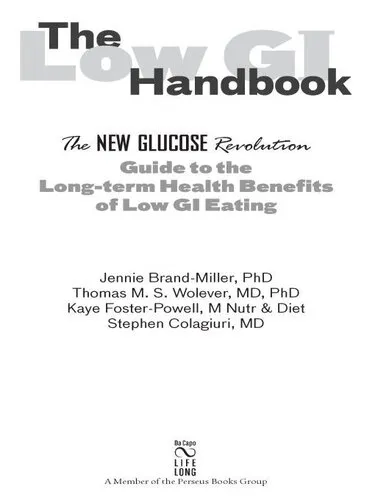
Welcome to The Low GI Handbook: The New Glucose Revolution Guide to the Long-Term Health Benefits of Low GI Eating, a comprehensive guide that delves into the science and practical application of the Glycemic Index (GI) for improved health and well-being. Summary of the Book
Before you read
Welcome to The Low GI Handbook: The New Glucose Revolution Guide to the Long-Term Health Benefits of Low GI Eating, a comprehensive guide that delves into the science and practical application of the Glycemic Index (GI) for improved health and well-being.
In this book, we explore the concept of the Glycemic Index, a revolutionary approach to understanding how different foods affect blood sugar levels. The GI is a numerical system that ranks carbohydrates based on their immediate impact on blood glucose levels. Foods with a lower GI produce a slow, gradual rise in blood sugar, offering a stable source of energy and minimizing the risk of chronic health problems.
The Low GI Handbook provides readers with a detailed introduction to the science behind the Glycemic Index. It sheds light on the physiological mechanisms of carbohydrate metabolism and explains why a diet rich in low GI foods is beneficial for everyone, including those with diabetes, heart disease, and obesity. Throughout the book, we offer practical advice on incorporating low GI foods into your diet, helping you make informed decisions for lasting health benefits.
“Understanding the Glycemic Index is a critical step toward functioning at your best every day, making it a keystone for optimal health.”
“Choosing low GI foods is not just about lowering blood sugar; it's about adopting a lifestyle that supports long-term health and well-being.”
“The journey to better health begins with informed choices, and the GI provides the map for that journey.”
The Low GI Handbook signifies an important milestone in the field of nutrition science by providing an accessible, evidence-based approach to managing blood sugar levels through diet. In an era when metabolic disorders are on the rise, understanding and utilizing the GI can dramatically shift health outcomes for the better.
This book is more than an instructional guide; it is a comprehensive resource for anyone looking to regain control over their dietary habits amidst a landscape filled with confusing and often conflicting information. By appreciating and applying the principles of low GI eating, readers empower themselves to minimize the risk of chronic diseases, maintain a healthy weight, and enjoy a higher quality of life.
In conclusion, The Low GI Handbook is an essential resource for nutritionists, dietitians, individuals with dietary concerns, and anyone interested in leading a healthier, more balanced lifestyle. It synthesizes years of scientific study into practical advice that underscores the power of eating smartly with the Glycemic Index as a guiding tool.
Your question is answered in the context of this title and author. Each answer uses 2 points.
0 reviews, 4.0 average out of 5
Sign in to publish a review.
Ask a focused question and learn from the community.
Related references that continue this learning path.
Jennie Brand-Miller,Kate Marsh,Philippa Sandall

Jessie Inchauspe
Dr. Jennie Brand-Miller,Thomas M.S. Wolever