
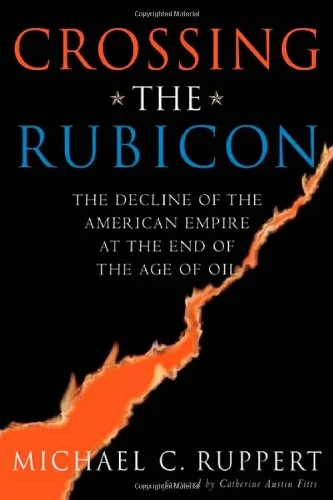
Crossing the Rubicon: The Decline of the American Empire at the End of the Age of Oil
Michael C. Ruppert
2004
View book
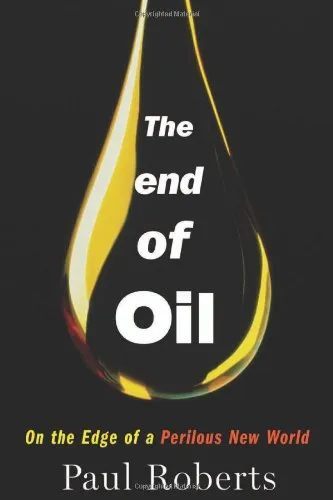
Book guide and evaluation
Paul Roberts
0 reviews
Published
pages
views
Introduction Welcome to an exploration of our world's precarious relationship with oil, as captured in "The End of Oil: On the Edge of a Perilous New World" by Paul Roberts. This landmark work delves into the complex dynamics of global energy, examining how our dep
Before you read
Welcome to an exploration of our world's precarious relationship with oil, as captured in "The End of Oil: On the Edge of a Perilous New World" by Paul Roberts. This landmark work delves into the complex dynamics of global energy, examining how our dependence on oil shapes economies, politics, and the environment. As society stands at a crossroads, Roberts provides a compelling narrative that challenges us to rethink our energy future.
"The End of Oil" takes the reader on a journey through the intricate world of energy. Roberts begins by detailing the origins of the oil industry, reminding us of its profound impact on the 20th century. He explores the geopolitical tensions that oil fuels, from Middle-Eastern conflicts to shifts in global power dynamics.
The book continues by examining the environmental consequences of oil dependency, including climate change and ecological degradation. Roberts paints a vivid picture of a world on the brink of a new era, where the environmental consequences of burning fossil fuels are becoming increasingly catastrophic.
As the narrative unfolds, Roberts investigates the potential alternatives to oil, such as renewable energy sources and advanced technologies. He presents a balanced view, considering both the promises and the limitations of these alternatives. The book does not merely forecast a future without oil but challenges readers to envisage an energy transition that is sustainable and equitable.
"The shift to new energy systems is not a matter of a few years or even decades, but of generations."
"As with so many great problems, the very scale that makes oil overwhelming also provides the seeds of the solution."
"The End of Oil" is more relevant than ever, as the world grapples with the environmental, political, and economic consequences of its energy choices. Paul Roberts provides an insightful analysis that encourages critical thought about the sustainability of our current energy trajectory.
The book matters because it underscores the urgency of meaningful change in how we source and consume energy. It invites policymakers, businesses, and individuals to consider the broader implications of energy dependence and to take part in shaping a future that respects both ecological limits and human ingenuity.
By blending historical context, scientific insights, and socio-political analysis, Paul Roberts crafts a narrative that is both urgent and hopeful, offering pathways towards a resilient and sustainable energy future.
Your question is answered in the context of this title and author. Each answer uses 2 points.
0 reviews, 4.4 average out of 5
Sign in to publish a review.
Ask a focused question and learn from the community.
Related references that continue this learning path.
Michael C. Ruppert

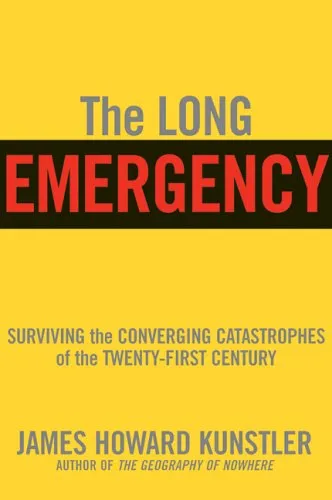
James Howard Kunstler,James Howard Kunstler