
Book guide and evaluation
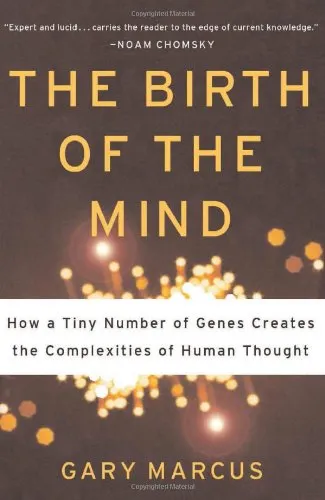
The Birth Of The Mind: How A Tiny Number Of Genes Creates The Complexities Of Human Thought
Gary Marcus
English
Advanced
Artificial Intelligence (AI)
4.9 / 5
0 reviews
2003
Published
289
pages
490
views
In The Birth of the Mind, award-winning cognitive scientist Gary Marcus irrevocably alters the nature vs. nurture debate by linking the findings of the Human Genome project to the development of the brain.Startling findings have recently revealed that the genome is much smaller t
Before you read
What will you get from this book?
In The Birth of the Mind, award-winning cognitive scientist Gary Marcus irrevocably alters the nature vs. nurture debate by linking the findings of the Human Genome project to the development of the brain.Startling findings have recently revealed that the genome is much smaller than we once thought, containing no more than 30,000-40,000 genes. Since this discovery, scientists have struggled to understand how such a tiny number of genes could contain the instructions for building the human brain, arguably the most complex device in the known universe. Synthesizing up-to-the-minute biology with his own original findings on child development, Marcus is the first to resolve this apparent contradiction by chronicling exactly how genes create the infinite complexities of the human mind. Along the way, he dispels the common misconceptions people harbor about genes, and explores the stunning implications of this research for the future of genetic engineering.Vibrantly written and completely accessible to the lay reader, The Birth of the Mind will forever change the way we think about our origins and ourselves.
Ask this book
Your question is answered in the context of this title and author. Each answer uses 2 points.
Sign in to ask the book assistant.
Reader reviews
0 reviews, 4.9 average out of 5
No reviews yet
If you have read this book, help the next reader with your experience.
Write a review
Sign in to publish a review.
Reader questions and answers
Ask a focused question and learn from the community.
Sign in to ask or answer a question.
No questions yet
Be the first to ask a clear, useful question.
What to read next
Related references that continue this learning path.
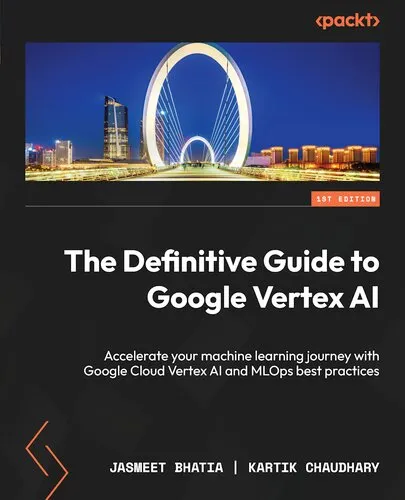
The Definitive Guide to Google Vertex AI: Accelerate your machine learning journey with Google Cloud Vertex AI and MLOps
Jasmeet Bhatia | Kartik Chaudhary
2023
View book
AI and Machine Learning for Coders: A Programmer's Guide to Artificial Intelligence
Laurence Moroney
2020
View book