Book guide and evaluation
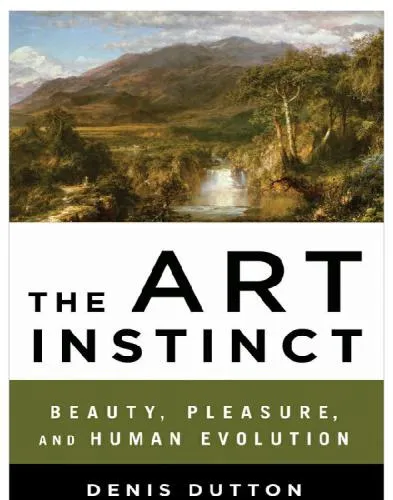
The Art Instinct: Beauty, Pleasure, and Human Evolution
Denis Dutton
English
Beginner
Art History
4.0 / 5
0 reviews
2009
Published
288
pages
435
views
Introduction to "The Art Instinct: Beauty, Pleasure, and Human Evolution" In "The Art Instinct: Beauty, Pleasure, and Human Evolution," Denis Dutton offers a compelling exploration into the profound origins and functions of art and beauty in human life. This groundbreaking wor
Before you read
What will you get from this book?
Introduction to "The Art Instinct: Beauty, Pleasure, and Human Evolution"
In "The Art Instinct: Beauty, Pleasure, and Human Evolution," Denis Dutton offers a compelling exploration into the profound origins and functions of art and beauty in human life. This groundbreaking work blends art theory, evolutionary science, and psychology to delve into why humans have an enduring passion for creative expression and aesthetic experiences.
Detailed Summary of the Book
Denis Dutton's "The Art Instinct" proposes that art is not just a cultural construct but is rooted deeply in human evolutionary history. He suggests that the appreciation of art and beauty has played a significant role in the survival and reproduction of our species. Dutton draws on a wide array of examples from Darwinian anthropology, cognitive science, philosophy, and the history of art to argue that our artistic tastes are an adaptive trait, honed over centuries.
Through vivid storytelling and extensive research, Dutton challenges the traditional view that beauty is purely in the eye of the beholder. He presents art as a universal human instinct, akin to language and social interaction. The book examines various aspects of art, from its role in prehistoric times to its modern manifestations in different cultures, emphasizing that art emerges from a combination of natural selection and cultural evolution.
Key Takeaways
- The Universality of Art: Art can be observed universally across all cultures as an intricate part of human existence, suggesting its fundamental role in human evolution.
- Evolutionary Perspective: Our aesthetic preferences and artistic behaviors have evolutionary roots that contributed to our ancestors' survival and reproductive success.
- Art and Cognition: Art engages our cognitive processes deeply, offering insights into the complexities of human thought and emotional life.
- Objective Beauty: Contrary to the notion that beauty is subjective, Dutton posits that certain aspects of beauty have objective, universal criteria.
Famous Quotes from the Book
"The disbelief in the natural origins of art is, like disbelief in evolution itself, a form of emptiness."
"To wonder if beauty truly is in the eye of the beholder is the wrong question; beauty instead is a deep part of human nature."
"The kinds of art forms we respond to today are a result of our evolutionary past, where artistic creativity conferred survival advantages."
Why This Book Matters
Dutton's "The Art Instinct" matters because it reshapes our understanding of art by rooting it in our shared evolutionary history. This framing reinforces the idea that art is not just beneficial for human culture but that it also plays a crucial role in our species' development. The book offers a fresh perspective that combines interdisciplinary approaches, making it a seminal text in aesthetics and evolutionary psychology. It invites readers to reconsider the connectivity between art, nature, and humanity and provides significant contributions to how we appreciate and engage with art in contemporary times.
Ask this book
Your question is answered in the context of this title and author. Each answer uses 2 points.
Sign in to ask the book assistant.
Reader reviews
0 reviews, 4.0 average out of 5
No reviews yet
If you have read this book, help the next reader with your experience.
Write a review
Sign in to publish a review.
Reader questions and answers
Ask a focused question and learn from the community.
Sign in to ask or answer a question.
No questions yet
Be the first to ask a clear, useful question.
What to read next
Related references that continue this learning path.
Compelling Visuality: The Work of Art in and out of History
Claire Farago,Robert Zwijnenberg
2003
View book