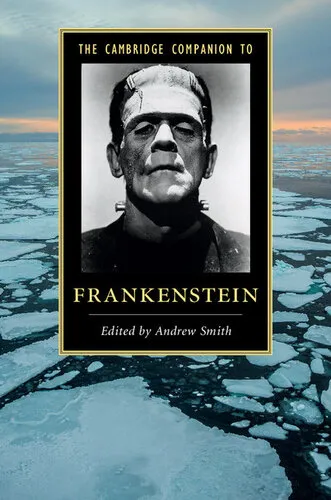
The Cambridge Companion to Frankenstein (Cambridge Companions to Literature)
Edited by Andrew Smith
2016
View book
Book guide and evaluation
Caroline Joan Picart
0 reviews
Published
pages
views
In a landscape where cinematic adaptations and reimaginings are as abundant as they are influential, exploring the Frankenstein myth provides an eye-opening lens into the complexities of horror and humor in film. "Remaking the Frankenstein Myth on Film: Between Laughter and H
Before you read
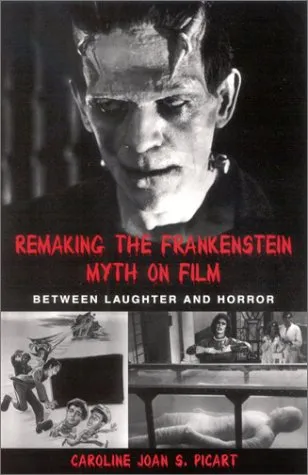
In a landscape where cinematic adaptations and reimaginings are as abundant as they are influential, exploring the Frankenstein myth provides an eye-opening lens into the complexities of horror and humor in film. "Remaking the Frankenstein Myth on Film: Between Laughter and Horror" delves deeply into this transformative myth, offering an insightful discourse on its evolving interpretations through cinematic lenses.
The book embarks on a compelling journey through the annals of film history, tracing how the Frankenstein myth has been remade and reinterpreted across diverse cultural contexts. It argues that each cinematic adaptation not only reflects its time but also reframes and reconstructs the social and philosophical questions originally posed by Mary Shelley's groundbreaking novel. This book takes readers from the silent film era to contemporary cinema, examining how various filmmakers have balanced elements of horror and parody to evoke deeper reflections on human identity, creation, and the ethical implications of scientific advancement.
"The Frankenstein myth is not just a tale of horror but also a parodic canvas, inviting endless reinterpretation and transformation."
"Cinema becomes the modern Prometheus, breathing life not only into myth but also into the evolving social consciousness."
"Remaking the Frankenstein Myth on Film: Between Laughter and Horror" is pivotal for scholars, cinephiles, and anyone fascinated by the interplay of horror and humor in storytelling. It provides a nuanced analysis of how myths evolve to reflect and influence cultural dialogues. The book not only sheds light on the legacy of Frankenstein's creature but also offers perspectives on how this singular story continues to resonate in contemporary times, resonating with issues such as bioethics, identity, and the nature of humanity. By understanding how filmmakers harness these themes, readers gain a deeper appreciation of the intricate web connecting myth and modernity.
This book matters because it does more than trace the history of a single story; it reveals the power of narrative adaptation in shaping cultural consciousness. It goes beyond mere film critique to explore the significance of myth-making itself. Here, readers can uncover why the Frankenstein story is ever-pertinent in a world continuously wrestling with the balance between creation and destruction, control and chaos, laughter and terror.
Your question is answered in the context of this title and author. Each answer uses 2 points.
0 reviews, 4.0 average out of 5
Sign in to publish a review.
Ask a focused question and learn from the community.
Related references that continue this learning path.
Edited by Andrew Smith