
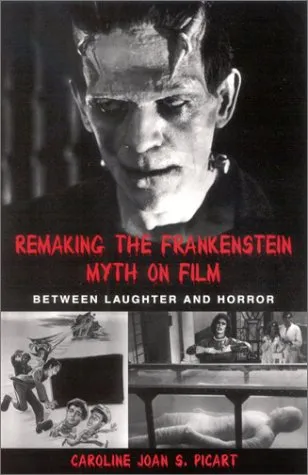
Remaking the Frankenstein Myth on Film: Between Laughter and Horror
Caroline Joan Picart
2003
View book
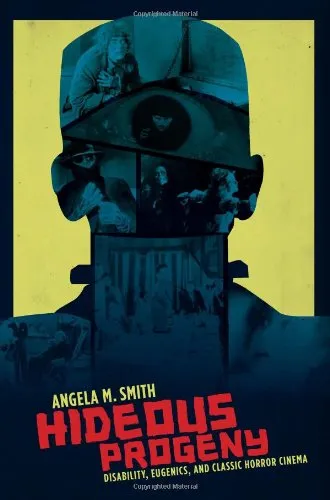
Book guide and evaluation
Angela Smith
0 reviews
Published
pages
views
Welcome to an in-depth exploration of 'Hideous Progeny: Disability, Eugenics, and Classic Horror Cinema'. This book offers a critical examination of how classic horror films from the early twentieth century serve as cultural reflections of societal anxieties concernin
Before you read
Welcome to an in-depth exploration of 'Hideous Progeny: Disability, Eugenics, and Classic Horror Cinema'. This book offers a critical examination of how classic horror films from the early twentieth century serve as cultural reflections of societal anxieties concerning disability, genetics, and eugenics. With expert analysis, the book dives deep into the intersections between horror cinema and societal constructs of normalcy, examining how these films shaped, and were shaped by, contemporary discourses on human difference.
'Hideous Progeny' traverses the macabre and thrilling world of classic horror cinema, delving into a time when society grappled with the complexities of Darwinism, eugenics, and the burgeoning field of genetics. Movies like 'Frankenstein' and ‘Freaks’ act as cultural texts that reveal deeper societal fears towards abnormality, bodily integrity, and the monstrous. Each chapter of the book examines a specific film or set of films, analyzing visual and narrative elements that underscore themes of physical and psychological difference. These films, often seen as mere entertainment, serve as mirrors reflecting cultural perceptions and misperceptions about disability, embodying a grotesque portrait of human anxieties regarding the boundaries between normality and otherness.
"Horror cinema of the early twentieth century is not just a repository of fear but a vivid etching of societal anxieties surrounding the concept of normalcy."
"The monsters of film history are inscrutable progeny of their cultural contexts, revealing more about the makers and audiences than about the creatures themselves."
'Hideous Progeny' is a seminal work for anyone interested in the intersection of film studies, disability studies, and cultural history. It sheds light on how genres like horror have been complicit in shaping societal values and attitudes toward disability. The book serves as an essential resource for researchers, students and fans of horror cinema who seek to understand the cultural implications of filmic narratives. By presenting a comprehensive analysis of the eugenic undertones within these films, the book encourages readers to consider the ethical ramifications of these historical portrayals and promotes a nuanced understanding of the complex dynamics at play in early cinematic expressions of horror.
Your question is answered in the context of this title and author. Each answer uses 2 points.
0 reviews, 4.5 average out of 5
Sign in to publish a review.
Ask a focused question and learn from the community.
Related references that continue this learning path.
Caroline Joan Picart

Bruce R. Cordell,James Wyatt