
Book guide and evaluation
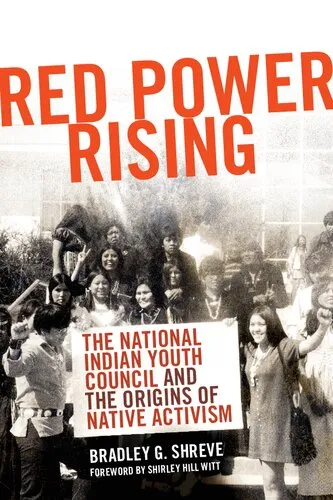
Red Power Rising: The National Indian Youth Council and the Origins of Native Activism
Bradley G. Shreve
English
Intermediate
novel
4.2 / 5
0 reviews
2011
Published
294
pages
462
views
During the 1960s, American Indian youth were swept up in a movement called Red Power—a civil rights struggle fueled by intertribal activism. While some define the movement as militant and others see it as peaceful, there is one common assumption about its history: Red Power began
Before you read
What will you get from this book?
During the 1960s, American Indian youth were swept up in a movement called Red Power—a civil rights struggle fueled by intertribal activism. While some define the movement as militant and others see it as peaceful, there is one common assumption about its history: Red Power began with the Indian takeover of Alcatraz in 1969. Or did it?In this groundbreaking book, Bradley G. Shreve sets the record straight by tracing the origins of Red Power further back in time: to the student activism of the National Indian Youth Council (NIYC), founded in Gallup, New Mexico, in 1961. Unlike other 1960s and ’70s activist groups that challenged the fundamental beliefs of their predecessors, the students who established the NIYC were determined to uphold the cultures and ideals of their elders, building on a tradition of pan-Indian organization dating back to the early twentieth century. Their cornerstone principles of tribal sovereignty, self determination, treaty rights, and cultural preservation helped ensure their survival, for in contrast to other activist groups that came and went, the NIYC is still in operation today. But Shreve also shows that the NIYC was very much a product of 1960s idealistic ferment and its leaders learned tactics from other contemporary leftist movements.By uncovering the origins of Red Power, Shreve writes an important new chapter in the history of American Indian activism. And by revealing the ideology and accomplishments of the NIYC, he ties the Red Power Movement to the larger struggle for human rights that continues to this day both in the United States and across the globe.
Ask this book
Your question is answered in the context of this title and author. Each answer uses 2 points.
Sign in to ask the book assistant.
Reader reviews
0 reviews, 4.2 average out of 5
No reviews yet
If you have read this book, help the next reader with your experience.
Write a review
Sign in to publish a review.
Reader questions and answers
Ask a focused question and learn from the community.
Sign in to ask or answer a question.
No questions yet
Be the first to ask a clear, useful question.
What to read next
Related references that continue this learning path.
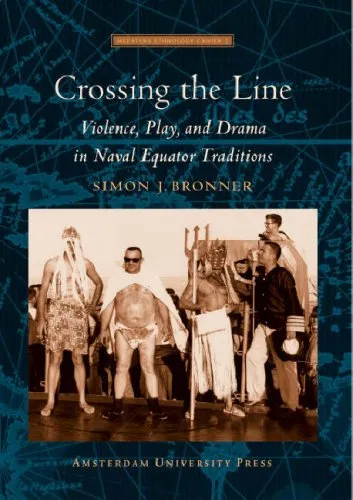
Crossing the Line: Violence, Play, and Drama in Naval Equator Traditions
Simon J. Bronner
2007
View book