Book guide and evaluation
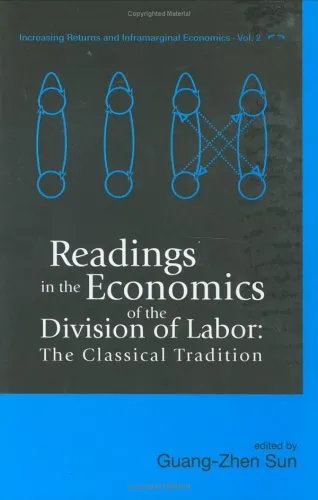
Readings in the Economics of the Division of Labor: The Classical Tradition (Series of Increasing Returns and Inframarginal Economics, 2) (2series of Increasing Returns and Inframarginal Economics)
Guang-Zhen Sun
English
Intermediate
novel
4.6 / 5
0 reviews
2005
Published
310
pages
269
views
Study of the progressive division of labor is a burgeoning industry in economics in recent years. Classical authors, dating back as early as 500 BC, have made insightful analyses on the determinants and implications of the division of labor. Unfortunately these writings are rathe
Before you read
What will you get from this book?
Study of the progressive division of labor is a burgeoning industry in economics in recent years. Classical authors, dating back as early as 500 BC, have made insightful analyses on the determinants and implications of the division of labor. Unfortunately these writings are rather scattered and not readily accessible. This important book aims to fill this void, serving as a valuable source of reference for scholars interested in the economics of specialization. The volume begins with the precursors of political economy including the ancient Greeks, medieval Islamic scholastics and mercantilists, continues with the classical political economists and the neoclassicists, and concludes with the Austrian economists such as Hayek in the 1940s. It covers major themes and perspectives about the division of labor that have ever emerged in the discipline of the economic science, including the economics of increasing returns to specialization, the twin ideas of division of labor and the extent of the market, the theory of the spontaneous market order, coordination in the factory system and large scale manufactures, knowledge and the division of mental labor, integration of analyses of specialization into the neoclassical framework, etc.
Ask this book
Your question is answered in the context of this title and author. Each answer uses 2 points.
Sign in to ask the book assistant.
Reader reviews
0 reviews, 4.6 average out of 5
No reviews yet
If you have read this book, help the next reader with your experience.
Write a review
Sign in to publish a review.
Reader questions and answers
Ask a focused question and learn from the community.
Sign in to ask or answer a question.
No questions yet
Be the first to ask a clear, useful question.
What to read next
Related references that continue this learning path.
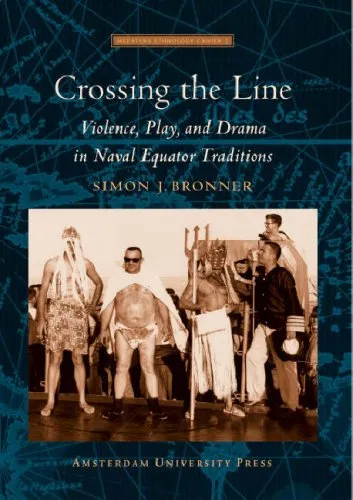
Crossing the Line: Violence, Play, and Drama in Naval Equator Traditions
Simon J. Bronner
2007
View book