ali lotfi
2025/05/27
5 / 5
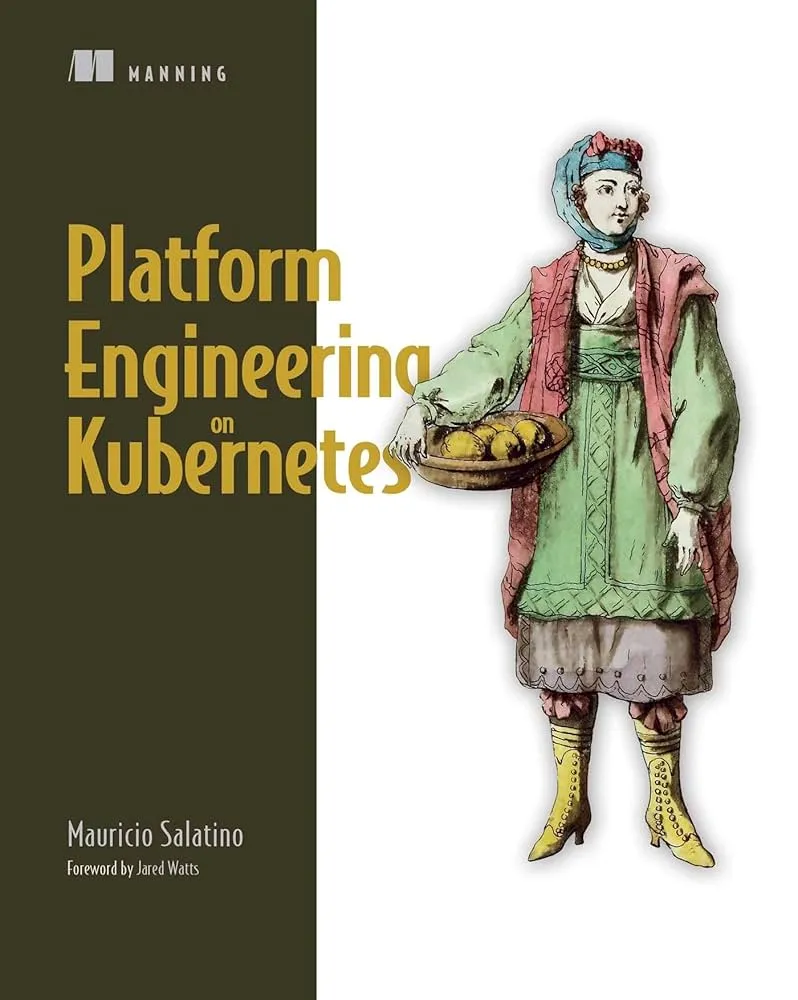
ubernetes is a very capable platform with many ways to be used so writing a whole book on platform engineering for it is quite an endeavor. I found that the author did quite well in encapsulating a large amount of information in a relatively small book.
The author gets right to defining platform engineering around page 16 and gives a succinct definition: "Platform teams take the work done by developers safely to production."
The author then uses a simple but apropos "walking skeleton" example application of a conference organization application that is used throughout the book. This is the kind of application that you'd see being used for HashiConf.
There is a short overview of the pros/cons of various platform options that include local workstation, on premise (bare metal), or cloud managed Kubernetes clusters. Cloud managed clusters are generally recommended but KinD (Kubernetes in Docker) is used as the target testing platform for most examples. There are other options I might have included (k3s, minikube, or docker engine's built in kubernetes cluster) but I don't blame the author for keeping this part light in order to focus on the platform engineering content. By the end of chapter 2 you will have covered most of the basics of hand delivering an application into a Kubernetes cluster without platform engineering. This gives the reader most requisite knowledge for the remainder of the book's contents.
From here the author dives into;
- Service Pipelines
- Environment Pipelines
- Multi-Cloud
- Building a platform
- Challenge: Shared apps
- Challenge: Enabling experimentation
- Measuring Platforms
When I read a book like this I always ask myself a few questions;
**Question 1:** Did I learn about some new tool or gain a better appreciation about a tool I was already aware of?
**Answer:** Yes! "vcluster" and "Knative Serving" is now on my shortlist of tools to become more familiar with.
**Question 2:** Does the book offer unique insight into my industry that I might not have knowledge of otherwise?
**Answer:** Yes! The author is clearly experienced with delivering Kubernetes workloads and adds his unique perspective and experiences to the table repeatedly throughout the book.
Platform engineering has a bit of a niche audience that the author does a good job catering towards. I am comfortable recommending this book to a mid-level or higher developers or DevOps practitioners looking to better understand some options for streamlining applications into Kubernetes at their organization. The many practical examples provided add good context to the points being made. I believe that this book will help many readers get a better understanding of some of the tools available to them and be a good point of reference for their own efforts. Just beware that this book is not a compendium of all Kubernetes platform engineering knowledge. But it is a very well rounded and good book for most technical professionals' libraries.