Book guide and evaluation
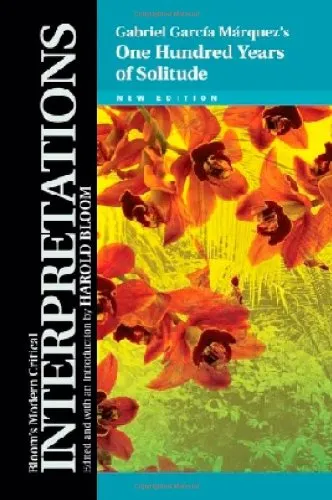
One hundred years of solitude: by Gabriel García Márquez
Stavans, Ilan;Garcia Marquez, Gabriel
English
Intermediate
novel
4.1 / 5
0 reviews
2011
Published
333
pages
739
views
Introduction to "One Hundred Years of Solitude" Gabriel García Márquez's masterpiece, "One Hundred Years of Solitude," is a breathtaking tapestry woven with magical realism, exploring the depths of time, memory, and destiny. Published in 1967, this novel captiv
Before you read
What will you get from this book?
Introduction to "One Hundred Years of Solitude"
Gabriel García Márquez's masterpiece, "One Hundred Years of Solitude," is a breathtaking tapestry woven with magical realism, exploring the depths of time, memory, and destiny. Published in 1967, this novel captivates readers with its profound storytelling, rich with symbolic meaning and enchanting prose.
Detailed Summary of the Book
"One Hundred Years of Solitude" chronicles the rise and fall of the Buendía family over seven generations in the fictional town of Macondo. The narrative begins with José Arcadio Buendía, the patriarch, who founds Macondo with his wife, Úrsula Iguarán. As the story unfolds, the family faces endless trials, ranging from insurrections and natural disasters to spectacular wonders and mythic happenings.
The novel's unique narrative style blends the mundane with the fantastic, creating a world where magic and reality exist seamlessly side-by-side. Central to the book's themes are the cyclical nature of history, the persistence of human folly, and the idea of predestined fate, all captured through the Buendías' experiences of solitude and connection.
Each character seems to be cursed to repeat the mistakes of their ancestors, resulting in echoes of joy and tragedy throughout the generations. The novel culminates in a prophetic revelation that dooms the family, underscoring the temporality and fragility of human endeavors.
Key Takeaways
- The novel explores the theme of solitude, suggesting that true connection is rare and often tinged with tragic consequences.
- It weaves together historical events and fictional elements, highlighting the tensions between reality and myth.
- García Márquez uses magical realism to challenge traditional narrative structures and invite readers to question their understanding of time and history.
Famous Quotes from the Book
"Many years later, as he faced the firing squad, Colonel Aureliano Buendía was to remember that distant afternoon when his father took him to discover ice."
"He really had been through death, but he had returned because he could not bear the solitude."
Why This Book Matters
"One Hundred Years of Solitude" stands as a monumental work in world literature, celebrated for its inventive storytelling and deep philosophical insights. Gabriel García Márquez’s skillful blend of the fantastical with the realistic gives the novel its complexity, offering readers an unparalleled narrative experience. Its examination of the human condition—marked by solitude and the eternal recurrence of history—resonates universally.
The novel's impact extends beyond literary boundaries, influencing music, art, and cultural expressions worldwide. "One Hundred Years of Solitude" not only cemented García Márquez's status as a literary giant but also invigorated the genre of magical realism, inspiring countless writers in Latin America and beyond.
Audio introductions
Persian Summary
Ask this book
Your question is answered in the context of this title and author. Each answer uses 2 points.
Sign in to ask the book assistant.
Reader reviews
0 reviews, 4.1 average out of 5
No reviews yet
If you have read this book, help the next reader with your experience.
Write a review
Sign in to publish a review.
Reader questions and answers
Ask a focused question and learn from the community.
Sign in to ask or answer a question.
No questions yet
Be the first to ask a clear, useful question.
What to read next
Related references that continue this learning path.