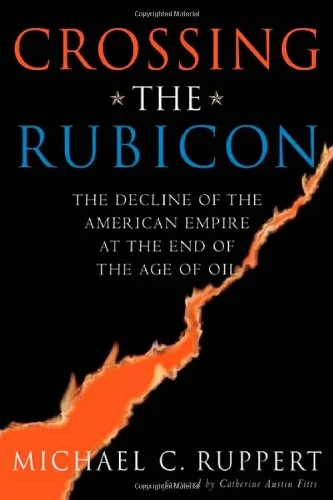
Crossing the Rubicon: The Decline of the American Empire at the End of the Age of Oil
Michael C. Ruppert
2004
View book
Book guide and evaluation
Bill McKibben
0 reviews
Published
pages
views
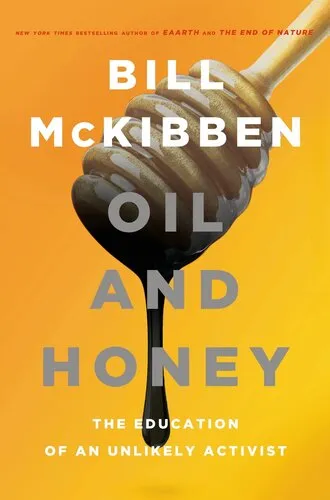
Welcome to a detailed overview of "Oil and Honey: The Education of an Unlikely Activist," authored by Bill McKibben. This book intertwines two parallel stories set against the backdrop of our contemporary environmental challenges. By exploring McKibben’s dual roles—one as a
Before you read
Welcome to a detailed overview of "Oil and Honey: The Education of an Unlikely Activist," authored by Bill McKibben. This book intertwines two parallel stories set against the backdrop of our contemporary environmental challenges. By exploring McKibben’s dual roles—one as an activist fighting against the fossil fuel industry, and the other as a beekeeper nurturing honeybees—readers are introduced to a narrative that is both personal and global in its implications.
In "Oil and Honey," Bill McKibben shares his journey into environmental activism, narrating the experiences that led him to co-found the climate campaign organization 350.org. The book offers an intimate perspective on McKibben's efforts to combat the overpowering influence of the fossil fuel industry. Simultaneously, it provides insights into his collaboration with a friend, Kirk Webster, a Vermont beekeeper who practices chemical-free farming.
At the heart of the story is McKibben’s transformation from a concerned citizen into a prominent environmental activist. He describes the challenges faced while organizing the largest-ever protest against climate change at the White House, aimed at stopping the Keystone XL pipeline. His activist journey is contrasted with the time he spends in the Vermont countryside, learning about sustainable agriculture practices that renew his sense of hope and purpose.
The dual narrative encapsulates the broader ecological and economic struggles of our time. On one hand, the destructive cycle of oil and consumption is examined; on the other, the world of honey and bees represents resilience and life-sustaining practices. Through eloquent storytelling, McKibben illustrates the interconnectedness of these worlds and urges readers to adopt a holistic view of activism and sustainability.
“If we’re going to save civilization, it is farms like these, agroecological and carbon sequestering, that we’re going to need.”
“The alternative to neoliberal economics, to fossil fuel politics, to this world run by corporations, is, in so many ways, the hive.”
"Oil and Honey" stands as an important narrative on the front lines of environmental activism. It offers an accessible and personal look at the challenges and motivations behind the modern environmental movement. The book provides a blueprint for grassroots activism and the role of individual agency in fighting against the systemic forces driving climate change. McKibben’s dual narrative approach not only educates readers about the complexities of climate politics but also inspires and empowers them to fight for sustainable futures. By drawing clear parallels between global issues and personal responsibility, "Oil and Honey" becomes a compelling call to action for readers to envision and build a more resilient and equitable world.
Your question is answered in the context of this title and author. Each answer uses 2 points.
0 reviews, 4.6 average out of 5
Sign in to publish a review.
Ask a focused question and learn from the community.
Related references that continue this learning path.
Michael C. Ruppert