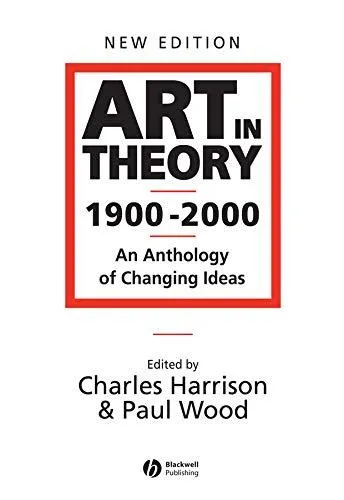
Art in Theory, 1900–2000: An Anthology of Changing Ideas
Charles Harrison,Paul J. Wood
2003
View book
Book guide and evaluation
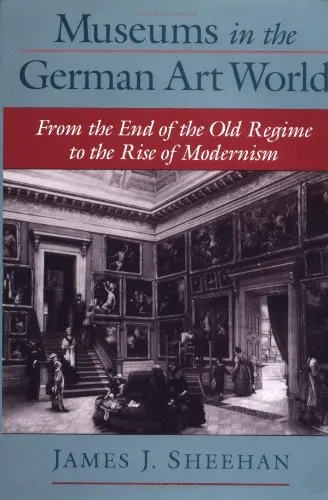
James J. Sheehan
0 reviews
Published
pages
views
Introduction to 'Museums in the German Art World: From the End of the Old Regime to the Rise of Modernism' Welcome to an exploration of the evolution of museums in the German art world, a journey that spans from the close of the Old Regime to the dawn of Modernism. This pivota
Before you read
Welcome to an exploration of the evolution of museums in the German art world, a journey that spans from the close of the Old Regime to the dawn of Modernism. This pivotal era in history marked profound changes in the cultural and artistic landscape of Germany, profoundly influencing not only museum practices but also the broader perception of art.
This book meticulously examines how museums became integral to the German art world. It traces the transition from private collections, reserved for the elite, to public museums accessible to broader society. The narrative begins in the late 18th century, a period characterized by political turmoil and change, which set the stage for significant transformations in cultural institutions.
As Germany unified and industrialized, museums played a crucial role in national identity formation. The book examines key figures and policies that shaped these institutions, highlighting the interplay between politics and culture. By examining collections, exhibitions, and the architecture of museum spaces, it sheds light on how institutions reflected and influenced societal values and the artistic zeitgeist.
"Museums are more than mere repositories of art; they are a manifestation of public values and identity."
"In the halls of these museums, the echoes of a burgeoning modernism began to shape a new visual hierarchy."
The significance of 'Museums in the German Art World' lies in its ability to weave socio-political history with cultural analysis, offering insights into how art institutions influence, and are influenced by, the zeitgeist. As art and culture continue to be crucial to societal identity, understanding their historical evolution within the museum context provides valuable perspectives on present-day discourses in art history and museum studies. This book stands as a witness to the transformative power of museums in shaping art's role in society.
By delving into this detailed study, readers gain a comprehensive understanding of the dynamic interactions between art, power, and politics in shaping public perception and national culture. This makes the book an essential read for historians, art enthusiasts, and anyone interested in the intricate links between art and societal change.
Your question is answered in the context of this title and author. Each answer uses 2 points.
0 reviews, 4.6 average out of 5
Sign in to publish a review.
Ask a focused question and learn from the community.
Related references that continue this learning path.
Charles Harrison,Paul J. Wood
Marita Sturken;Lisa Cartwright