Book guide and evaluation
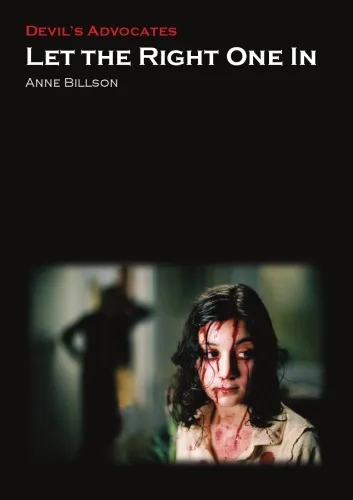
Let the right one in
Alfredson, Tomas;Billson, Anne
English
Intermediate
novel
4.4 / 5
0 reviews
2014
Published
115
pages
370
views
Audiences can't get enough of fang fiction. Twilight, True Blood, Being Human, The Vampire Diaries, Buffy the Vampire Slayer, Blade, Underworld, and the novels of Anne Rice and Darren Shan against this glut of bloodsuckers, it takes an incredible film to make a name for itself. D
Before you read
What will you get from this book?
Audiences can't get enough of fang fiction. Twilight, True Blood, Being Human, The Vampire Diaries, Buffy the Vampire Slayer, Blade, Underworld, and the novels of Anne Rice and Darren Shan against this glut of bloodsuckers, it takes an incredible film to make a name for itself. Directed by Tomas Alfredson and adapted for the screen by John Ajvide Lindqvist, The Swedish film Làt den rätte komma in (2008), known to American audiences as Let the Right One In, is the most exciting, subversive, and original horror production since the genre's best-known works of the 1970s. Like Twilight, Let the Right One In is a love story between a human and a vampire but that is where the resemblance ends. Set in a snowy, surburban housing estate in 1980s Stockholm, the film combines supernatural elements with social realism. It features Oskar, a lonely, bullied child, and Eli, the girl next door. "Oskar, I'm not a girl," she tells him, and she's not kidding she's a vampire. The two forge an intense relationship that is at once innocent and disturbing. Two outsiders against the world, one of these outsiders is, essentially, a serial killer. What does Eli want from Oskar? Simple companionship, or something else? While startlingly original, Let the Right One In could not have existed without the near century of vampire cinema that preceded it. Anne Billson reviews this history and the film's inheritence of (and new twists on) such classics as Nosferatu (1979) and Dracula (1931). She discusses the genre's early fliration with social realism in films such as Martin (1977) and Near Dark (1987), along with its adaptation of mythology to the modern world, and she examines the changing relationship between vampires and humans, the role of the vampire's assistant, and the enduring figure of vampires in popular culture.
Ask this book
Your question is answered in the context of this title and author. Each answer uses 2 points.
Sign in to ask the book assistant.
Reader reviews
0 reviews, 4.4 average out of 5
No reviews yet
If you have read this book, help the next reader with your experience.
Write a review
Sign in to publish a review.
Reader questions and answers
Ask a focused question and learn from the community.
Sign in to ask or answer a question.
No questions yet
Be the first to ask a clear, useful question.
What to read next
Related references that continue this learning path.
Crossing the Line: Violence, Play, and Drama in Naval Equator Traditions
Simon J. Bronner
2007
View book