Neyar XO
2025/12/13
5 / 5
That helps a lot to provide my thesis in sociolinguistic
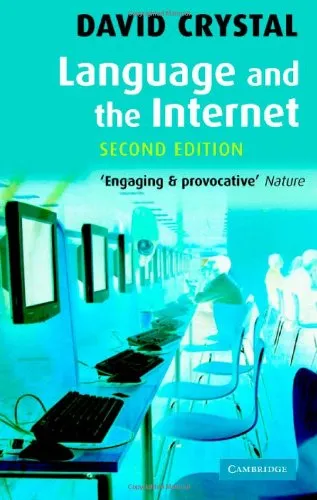
Book guide and evaluation
David Crystal
1 reviews
Published
pages
views
Introduction to "Language and the Internet" The digital revolution has reshaped our world in countless ways, impacting communication, culture, and community. "Language and the Internet" by David Crystal delves into one of the most intriguing questions of the modern age: how ha
Before you read
The digital revolution has reshaped our world in countless ways, impacting communication, culture, and community. "Language and the Internet" by David Crystal delves into one of the most intriguing questions of the modern age: how has the internet transformed language, and what are the implications of this transformation for society and the future of communication?
As one of the preeminent linguists of our time, David Crystal approaches this topic with both deep academic insight and a style accessible to general readers. The book examines how Internet-mediated communication (IMC) has influenced linguistic structures, the conventions of written and spoken forms of language, and the creation of entirely new forms of expression. In doing so, it raises critical questions about technology, identity, and the adaptation of language to suit evolving digital platforms. This introduction offers a detailed overview of the themes, purpose, and significance of the book.
A comprehensive exploration of Internet-driven linguistic changes.
In "Language and the Internet," David Crystal divides his discussion into key sectors of language use in the digital sphere, encompassing domains like email, instant messaging, social media, blogs, and websites. Each domain offers unique insights into how people tailor their use of language based on the medium. Crystal investigates whether the Internet is contributing to the erosion of traditional language norms or, conversely, encouraging linguistic creativity.
Central to this book is the concept of "netspeak"—a term used to describe the hybrid nature of language online. Netspeak mixes characteristics of speech and writing and often introduces new conventions, including abbreviations, emojis, creative punctuation, and linguistic flair unheard of in traditional discourse. Crystal analyzes these phenomena with numerous real-world examples and data, illustrating how Internet users across different cultures participate in shaping language trends.
Beyond patterns of communication, the book also reflects on broader themes such as the democratization of language. The Internet empowers individuals from diverse backgrounds to engage in written communication creatively and interactively, thereby broadening access to conversational spaces. Crystal's approach is holistic, ensuring readers appreciate the interplay between technological innovation and human adaptability.
"Language is at the heart of who and what we are, and the Internet is changing how we use it in fundamental ways."
"The appearance of netspeak does not indicate that one form of language is better than the other—it is simply a manifestation of humanity adapting to new communicative needs."
"Far from being a linguistic free-for-all, Internet language reveals thoughtful innovation, creativity, and a shared sense of playfulness."
"Language and the Internet" is more than academic analysis; it is a celebration of linguistic adaptability.
David Crystal's insights help readers appreciate the resilience and malleability of language in the face of technological change. The book addresses common myths about how the Internet is "ruining" language, countering these claims with evidence-based observations that highlight the ingenuity of digital speakers. At a time when digital communication has become integral to everyday life, this book provides a crucial framework for understanding how to navigate these changes consciously and critically.
Furthermore, Crystal’s book encourages readers to reflect on the cultural implications of Internet language. Whether you are a linguist, a student, a writer, or simply an avid Internet user, "Language and the Internet" offers fresh perspectives on how communication contributes to the evolving fabric of human society.
In an era dominated by tweets, memes, hashtags, and instant messages, this book is an indispensable resource for anyone who seeks to understand the intersection of technology and linguistics.
Your question is answered in the context of this title and author. Each answer uses 2 points.
1 reviews, 5.0 average out of 5
2025/12/13
5 / 5
That helps a lot to provide my thesis in sociolinguistic
Sign in to publish a review.
Ask a focused question and learn from the community.
Related references that continue this learning path.
Alexander Clark,Chris Fox,Shalom Lappin,(Editors)