Book guide and evaluation
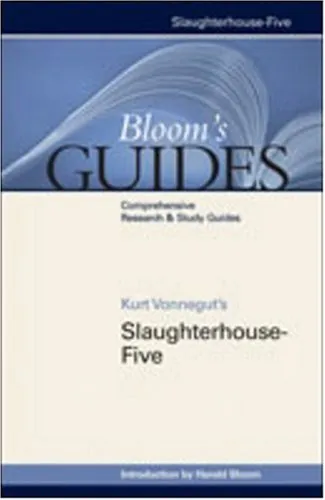
Kurt Vonnegut's Slaughterhouse-five (Bloom's Guides)
Harold Bloom
English
Intermediate
novel
4.2 / 5
0 reviews
2006
Published
115
pages
715
views
Welcome to the comprehensive guide on Kurt Vonnegut's seminal work, "Slaughterhouse-Five," brought to you through the esteemed "Bloom's Guides" series. This guide endeavors to provide readers with an intricate understanding of the novel, illuminating its profound themes, comple
Before you read
What will you get from this book?
Welcome to the comprehensive guide on Kurt Vonnegut's seminal work, "Slaughterhouse-Five," brought to you through the esteemed "Bloom's Guides" series. This guide endeavors to provide readers with an intricate understanding of the novel, illuminating its profound themes, complex narrative style, and significant impact on literature and culture.
Detailed Summary of the Book
Published in 1969, "Slaughterhouse-Five" is an intricate blend of historical fiction, science fiction, and autobiography that thrusts readers into the tumultuous experiences of Billy Pilgrim, an optometrist turned soldier who becomes 'unstuck in time.' The narrative follows Billy through various periods of his life, from his time as a prisoner of war during the bombing of Dresden in World War II to his domestic life and experiences on the alien planet of Tralfamadore. The novel's non-linear structure reflects Billy's own perceptions of time, emphasizing that each moment exists forever, and illustrating Vonnegut's exploration of fate, free will, and mortality. Through "Slaughterhouse-Five," Vonnegut poignantly critiques the absurdity of war and the deterministic view of life that many adopt in its aftermath.
Key Takeaways
Vonnegut's novel is a kaleidoscope of narrative innovation and philosophical depth, offering several insights:
- The Futility of War: By depicting war’s brutality through a detached narrative lens, Vonnegut exposes its senseless violence and lasting psychological scars.
- Time and Memory: The novel's non-linear approach underscores the fluidity of time, suggesting that all moments in life are eternal and interconnected.
- Existential Reflection: Through Billy Pilgrim's experiences, Vonnegut delves into existential themes, questioning human autonomy versus predestination.
- Human Resilience: Despite the horrors faced, the endurance of the human spirit shines through, offering a glimmer of hope and tenacity.
Famous Quotes from the Book
Several lines from "Slaughterhouse-Five" have resonated with readers across generations, imbued with Vonnegut’s characteristic wit and wisdom:
"So it goes."
"Everything was beautiful and nothing hurt."
"All this happened, more or less."
These quotes encapsulate the essence of Vonnegut’s philosophical musings about the human condition and the randomness of life.
Why This Book Matters
"Slaughterhouse-Five" stands as a monumental work in American literature, not just for its daring narrative style but for its unflinching examination of the human cost of conflict. The novel is crucial reading for its inventive approach to storytelling, weaving a tapestry that challenges conventional perceptions of time and reality. It serves as a timeless reminder of the moral and ethical considerations of war, urging readers to contemplate their own roles in shaping the future. Vonnegut's masterpiece transcends the genre of war novels, inviting readers into a broader discourse on chaos, fate, and human resilience. By challenging linear narratives and rigid moral dimensions, "Slaughterhouse-Five" continues to influence generations, beckoning them towards introspection and understanding.
Through this Bloom's Guide, readers can delve deeper into "Slaughterhouse-Five," gaining a nuanced appreciation for Vonnegut's unique narrative voice and the enduring relevance of this extraordinary novel.
Ask this book
Your question is answered in the context of this title and author. Each answer uses 2 points.
Sign in to ask the book assistant.
Reader reviews
0 reviews, 4.2 average out of 5
No reviews yet
If you have read this book, help the next reader with your experience.
Write a review
Sign in to publish a review.
Reader questions and answers
Ask a focused question and learn from the community.
Sign in to ask or answer a question.
No questions yet
Be the first to ask a clear, useful question.
What to read next
Related references that continue this learning path.