حسين هادي
2025/01/23
5 / 5
Wonderful
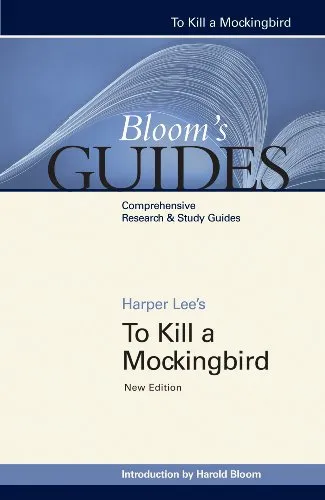
Book guide and evaluation
Harold Bloom
1 reviews
Published
pages
views
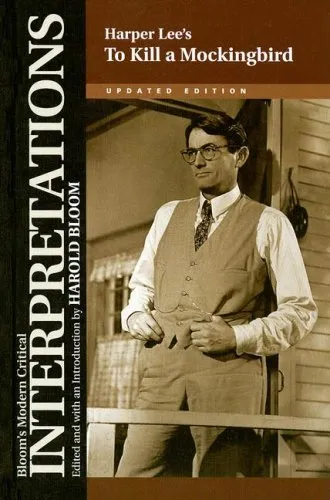
Introduction to Harper Lee's "To Kill a Mockingbird" (Bloom's Guides) Written by the esteemed scholar Harold Bloom, the guidebook to Harper Lee's "To Kill a Mockingbird" serves as a comprehensive companion for both students and literary enthusiasts. This guide delves into the
Before you read
Written by the esteemed scholar Harold Bloom, the guidebook to Harper Lee's "To Kill a Mockingbird" serves as a comprehensive companion for both students and literary enthusiasts. This guide delves into the profound themes, historical context, and enduring legacy of Lee's seminal work. The guide provides readers with the critical tools to analyze and appreciate the depth of the novel.
"To Kill a Mockingbird," published in 1960, takes place in the fictional town of Maycomb, Alabama during the Great Depression. The narrative follows Jean Louise "Scout" Finch, a young girl, whose father, Atticus Finch, is an upright lawyer defending a black man, Tom Robinson, accused of raping a white woman, Mayella Ewell. Through Scout’s eyes, the novel explores themes of racial injustice, moral growth, and compassion. Atticus, as a moral beacon, upholds justice and integrity in the face of Maycomb’s prevailing racism and social stratification. Scout, with her brother Jem and friend Dill, uncovers the complexities of human nature and prejudices through various interwoven stories, including the mysterious character Boo Radley. Lee expertly builds tension and empathy, leading to a climactic court trial and its harrowing aftermath.
"You never really understand a person until you consider things from his point of view... Until you climb inside of his skin and walk around in it."
"The one thing that doesn’t abide by majority rule is a person’s conscience."
"People generally see what they look for, and hear what they listen for."
Harper Lee's "To Kill a Mockingbird" remains a critical touchstone in American literature for its unflinching examination of human morality and justice. Its publication was a watershed moment, capturing the zeitgeist of the Civil Rights Movement era while speaking universal truths about human behavior and societal norms. The novel’s influence persists in educational curricula worldwide, urging new generations to confront racial prejudices and moral dilemmas. Through its rich characterizations and profound philosophical insights, Lee’s work continues to inspire dialogue and reflection about equity, the rule of law, and empathy. Bloom's Guide amplifies these discussions, offering deeper insights and fostering a comprehensive understanding of why "To Kill a Mockingbird" is essential reading for thoughtful engagement with issues of race and morality.
Persian Summary
Your question is answered in the context of this title and author. Each answer uses 2 points.
1 reviews, 5.0 average out of 5
2025/01/23
5 / 5
Wonderful
Sign in to publish a review.
Ask a focused question and learn from the community.
Related references that continue this learning path.