
Book guide and evaluation
Journal of Peace Research
Pavel Baev
English
Unordered
Politics
4.6 / 5
0 reviews
2011 September
Published
0
pages
296
views
Welcome to the detailed introduction of Journal of Peace Researchpp.686, a powerful exploration of peace dynamics and the interplay between international conflicts and resolutions. Authored by Pavel Baev, a recognized scholar in peace research, this book dives into em
Before you read
What will you get from this book?
Welcome to the detailed introduction of Journal of Peace Researchpp.686, a powerful exploration of peace dynamics and the interplay between international conflicts and resolutions. Authored by Pavel Baev, a recognized scholar in peace research, this book dives into empirical data, in-depth analyses, and theoretical frameworks that illuminate the complexities of global peace-building efforts.
Detailed Summary of the Book
Journal of Peace Researchpp.686 is a culmination of years of scholarly research, addressing the intricate and often misunderstood domain of peace studies. The book begins by laying a robust theoretical foundation, examining existing paradigms in conflict resolution and peacekeeping. Moving beyond theory, it incorporates case studies that span from regional disputes to global conflicts, presenting unique insights into the factors that drive war and peace. Pavel Baev meticulously dissects the causes, triggers, and consequences of conflicts while exploring the socio-political frameworks that foster resolution. This empirical approach allows readers to grasp the multidimensional nature of peace research, making the book not just a scholarly work but a practical guide to understanding how peace can be achieved and sustained at various levels of society.
Key Takeaways
This book offers a number of essential insights for academics, policymakers, and readers interested in peace studies:
Understanding the roots of conflict: The book explains how factors such as resource scarcity, historical grievances, and geopolitical tensions contribute to the persistence of global disputes.
The role of mediation: It highlights the importance of impartial mediation in resolving conflicts, showcasing success stories while addressing challenges faced by mediators.
The impact of peace-building efforts: Baev dives deep into the mechanisms behind peacekeeping missions, exploring their successes and failures.
Interdisciplinary approach: Combining political science, sociology, and economics, the book presents a holistic view of peace research.
Famous Quotes from the Book
Readers of Journal of Peace Researchpp.686 are treated to poignant and thought-provoking statements that capture the essence of peace studies. A few standout quotes include:
"Peace is not merely the absence of war but the embodiment of justice and equality in the fabric of society."
"Conflict is inevitable, but war is not. Understanding this distinction is key to fostering sustainable peace."
"The hardest battles for peace are not fought in war zones, but in corridors of power where policies are shaped and decisions are made."
Why This Book Matters
Journal of Peace Researchpp.686 is more than a book—it is a call to action. In an era where global tensions are rising and the mechanisms for maintaining peace are under threat, Pavel Baev provides a beacon of clarity and understanding. By bridging the gap between theory and application, the book empowers policymakers, scholars, and activists to make informed decisions that lead to lasting peace. Its interdisciplinary approach ensures that the concepts resonate across various domains, making it relevant not just to the world of academia but to anyone who seeks a deeper understanding of the world's challenges. The book emphasizes the importance of addressing underlying systemic issues and promotes a vision where peace is achievable through cooperation and shared humanity.
In summary, Journal of Peace Researchpp.686 is a seminal addition to peace studies literature, offering both intellectual richness and practical guidance. It matters because it compels readers to rethink traditional narratives of conflict and peace, urging them to embrace innovative solutions in a rapidly evolving world.
Ask this book
Your question is answered in the context of this title and author. Each answer uses 2 points.
Sign in to ask the book assistant.
Reader reviews
0 reviews, 4.6 average out of 5
No reviews yet
If you have read this book, help the next reader with your experience.
Write a review
Sign in to publish a review.
Reader questions and answers
Ask a focused question and learn from the community.
Sign in to ask or answer a question.
No questions yet
Be the first to ask a clear, useful question.
What to read next
Related references that continue this learning path.
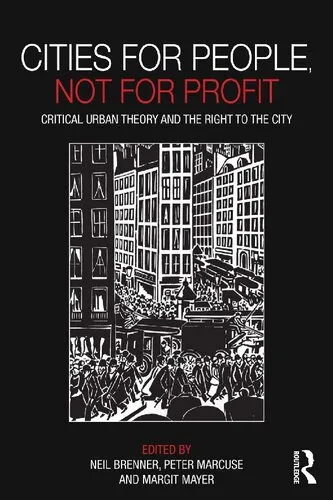
Cities for people, not for profit critical urban theory and the right to the city
Peter Marcuse;;Margit Mayer;Neil Brenner
2012
View book