Book guide and evaluation
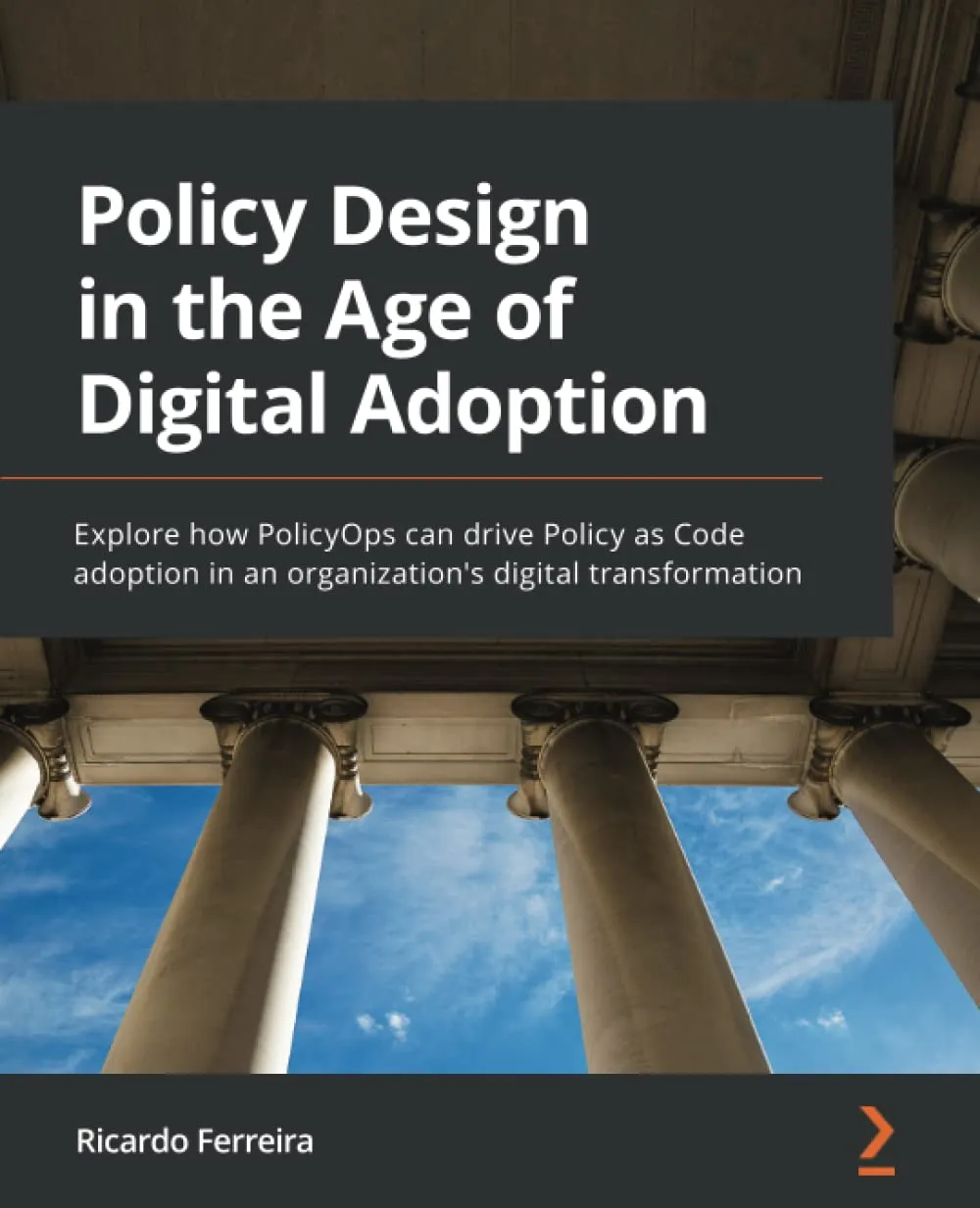
Policy Design in the Age of Digital Adoption: Explore how PolicyOps can drive Policy as Code adoption in an organization's digital transformation
Ricardo Ferreira
English
Unordered
Politics
5.0 / 5
0 reviews
2022
Published
332
pages
4201
views
Introduction In today's rapidly evolving digital landscape, organizations are continuously faced with the challenge of adapting and optimizing their policies to meet the demands of digital transformation. The book, "Policy Design in the Age of Digit
Before you read
What will you get from this book?
Introduction
In today's rapidly evolving digital landscape, organizations are continuously faced with the challenge of adapting and optimizing their policies to meet the demands of digital transformation. The book, "Policy Design in the Age of Digital Adoption: Explore how PolicyOps can drive Policy as Code adoption in an organization's digital transformation", seeks to unravel the complexities and nuances of integrating Policy as Code (PaC) within broader digital infrastructure transformations. Through the lens of PolicyOps, a strategic approach to policy engineering, this book serves as a guide for organizations aiming to harness the power of digital policy frameworks effectively and efficiently.
Detailed Summary of the Book
This book delves into the essence of policy design amidst the ever-changing digital terrains. It begins with an exploration of the foundational elements of PolicyOps and how this model facilitates the seamless integration of policies within a digital environment through the concept of Policy as Code. By placing emphasis on automating and streamlining policy management, the book demonstrates how organizations can enhance their adaptability and responsiveness.
The core themes of this book revolve around the transition from traditional policy-making to innovative, code-driven frameworks that align with technological advancements. Readers will be guided through the journey of transitioning to Policy as Code, exploring the practical challenges and solutions that come with it. Discussions on the synergy between governance, compliance, and automated policies offer insights into maintaining robust regulatory adherence while embracing digital adoption.
Key Takeaways
- Understand the principles and components of PolicyOps and its significance in modern policy design.
- Gain insights into the practical applications of Policy as Code and how it can revolutionize policy management.
- Learn strategies to align policy frameworks with digital transformation initiatives to foster innovation and compliance.
- Explore case studies and examples of successful Policy as Code implementations across diverse industries.
- Discover tools and techniques for transitioning from traditional policies to Policy as Code within your organization.
Famous Quotes from the Book
"In the age of digital disruption, policies need to be as agile as the technologies they govern."
"Policy as Code is not merely a technological shift; it is a transformative approach to how we think about rules and governance."
Why This Book Matters
As organizations strive to stay competitive in the digital age, the need to adopt more dynamic and responsive policy frameworks becomes critical. This book stands as a crucial resource for IT leaders, policy designers, and organizational strategists who are seeking to navigate the challenges of digital transformation. By embracing Policy as Code, organizations can ensure that their policies are not only reflective of current technological standards but also future-proofed against the inevitable advancements in digital infrastructure.
"Policy Design in the Age of Digital Adoption" equips readers with the knowledge and skills needed to spearhead policy innovation, making it an indispensable tool in the toolkit of any forward-thinking organization. It transcends the traditional confines of policy development, advocating for a more integrated and technology-aligned approach to governance, ensuring that organizations are not only compliant but also agile and resilient in the face of change.
Included in expert paths
Audio introductions
Persian Summary
Ask this book
Your question is answered in the context of this title and author. Each answer uses 2 points.
Sign in to ask the book assistant.
Reader reviews
0 reviews, 5.0 average out of 5
No reviews yet
If you have read this book, help the next reader with your experience.
Write a review
Sign in to publish a review.
Reader questions and answers
Ask a focused question and learn from the community.
Sign in to ask or answer a question.
No questions yet
Be the first to ask a clear, useful question.
What to read next
Related references that continue this learning path.
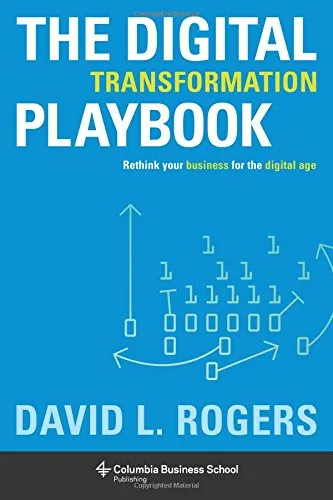
The Digital Transformation Playbook: Rethink Your Business for the Digital Age
David L. Rogers
2016
View book