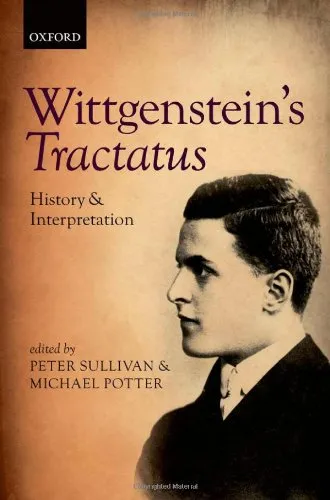
Wittgenstein’s Tractatus. History and Interpretation
Peter Sullivan,Michael Potter (eds.)
2013
View book

Book guide and evaluation
Henry Jacoby
0 reviews
Published
pages
views
Introduction to "House and Philosophy: Everybody Lies" Welcome to an in-depth exploration of one of television's most beloved yet enigmatic characters, Dr. Gregory House, through the lens of philosophy. "House and Philosophy: Everybody Lies" delves into the moral dilemmas, phi
Before you read
Welcome to an in-depth exploration of one of television's most beloved yet enigmatic characters, Dr. Gregory House, through the lens of philosophy. "House and Philosophy: Everybody Lies" delves into the moral dilemmas, philosophical nuances, and perplexing concepts that define not only the titular character but also the broader themes of the hit TV show House, M.D.. This book is part of The Blackwell Philosophy and Pop Culture Series, which connects the seemingly unrelated worlds of philosophy and pop culture, revealing profound insights beneath the surface of entertainment.
Whether you are a fan of the show, a philosophy enthusiast, or simply curious about the ethical and intellectual themes embedded in House, M.D., this book offers a unique opportunity to engage deeply with the ideas that shape Dr. House's medical practice, sarcastic wit, and conflicted humanity.
At its core, "House and Philosophy: Everybody Lies" centers on the fascinating world of Dr. House, a misanthropic but brilliant physician who possesses a razor-sharp intellect and a penchant for saying what most people only dare to think. The book intertwines the ethical medical dilemmas that arise in episodes of the show with centuries of philosophical inquiry. Classic themes such as truth, deception, morality, suffering, and existentialism are explored within the context of the show's narrative and House's strikingly flawed personality.
Through the application of thinkers such as Nietzsche, Kant, and Aristotle, the book dissects various aspects of House's actions and decisions. What makes Dr. House tick? Why does he believe “everybody lies,” and how does that belief inform his medical practice? These questions pave the way for deeper considerations of human nature, the role of rationality, and the relativity of morality. Each chapter ties different philosophical perspectives to specific episodes, creating a seamless dialogue between rigorous philosophical analysis and popular culture.
Here are some poignant and philosophical quotes from both the book and House himself:
"Everybody lies. It's a basic truth of the human condition."
"The value of a thing sometimes lies not in what one attains with it, but in what one pays for it — what it costs us."
"To understand House is to understand the complexity of being human — gnarly, flawed, but profoundly capable of good."
"House and Philosophy: Everybody Lies" matters because it bridges the often-dismissed realm of pop culture with the academic and intellectual domain of philosophy.
Fans of House, M.D. will find a new way to look at their favorite TV show — not just as entertainment but as a storytelling medium that presents powerful and timeless ethical questions. Those who appreciate philosophy will enjoy the accessible integration of philosophical theories with modern media, making abstract ideas more relevant and engaging for a broader audience. In a world where critical thinking is more important than ever, this book challenges readers to interrogate themselves and their surroundings using the provocative character of Dr. House as a guide.
At the intersection of philosophy, ethics, and pop culture, "House and Philosophy: Everybody Lies" elevates the discourse around entertainment, proving that even the most unlikely characters — including a sharp-tongued and cane-wielding physician — can spark meaningful conversations about what it means to be human.
Your question is answered in the context of this title and author. Each answer uses 2 points.
0 reviews, 4.5 average out of 5
Sign in to publish a review.
Ask a focused question and learn from the community.
Related references that continue this learning path.
Peter Sullivan,Michael Potter (eds.)