
Book guide and evaluation
Global Neorealism. The Transnational History of a Film Style
Saverio Giovacchini,Robert Sklar (editors)
English
Intermediate
novel
4.8 / 5
0 reviews
2011
Published
283
pages
343
views
Intellectual, cultural, and film historians have long considered neorealism the founding block of post-World War II Italian cinema. Neorealism, the traditional story goes, was an Italian film style born in the second postwar period and aimed at recovering the reality of Italy aft
Before you read
What will you get from this book?
Intellectual, cultural, and film historians have long considered neorealism the founding block of post-World War II Italian cinema. Neorealism, the traditional story goes, was an Italian film style born in the second postwar period and aimed at recovering the reality of Italy after the sugarcoated moving images of Fascism. Lasting from 1945 to the early 1950s, neorealism produced world-renowned masterpieces such as Roberto Rossellini's Roma, citt? aperta (Rome, Open City, 1945) and Vittorio De Sica's Ladri di biciclette (Bicycle Thieves, 1947). These films won some of the most prestigious film awards of the immediate postwar period and influenced world cinema.This collection brings together distinguished film scholars and cultural historians to complicate this nation-based approach to the history of neorealism. The traditional story notwithstanding, the meaning and the origins of the term are problematic. What does neorealism really mean, and how Italian is it? Italian filmmakers were wary of using the term and Rossellini preferred "realism." Many filmmakers confessed to having greatly borrowed from other cinemas, including French, Soviet, and American.Divided into three sections, Global Neorealism examines the history of this film style from the 1930s to the 1970s using a global and international perspective. The first section examines the origins of neorealism in the international debate about realist esthetics in the 1930s. The second section discusses how this debate about realism was "Italianized" and coalesced into Italian "neorealism" and explores how critics and film distributors participated in coining the term. Finally, the third section looks at neorealism's success outside of Italy and examines how film cultures in Latin America, Asia, and the United States adjusted the style to their national and regional situations.
Ask this book
Your question is answered in the context of this title and author. Each answer uses 2 points.
Sign in to ask the book assistant.
Reader reviews
0 reviews, 4.8 average out of 5
No reviews yet
If you have read this book, help the next reader with your experience.
Write a review
Sign in to publish a review.
Reader questions and answers
Ask a focused question and learn from the community.
Sign in to ask or answer a question.
No questions yet
Be the first to ask a clear, useful question.
What to read next
Related references that continue this learning path.
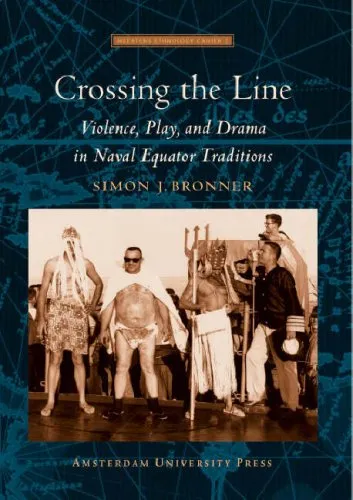
Crossing the Line: Violence, Play, and Drama in Naval Equator Traditions
Simon J. Bronner
2007
View book