
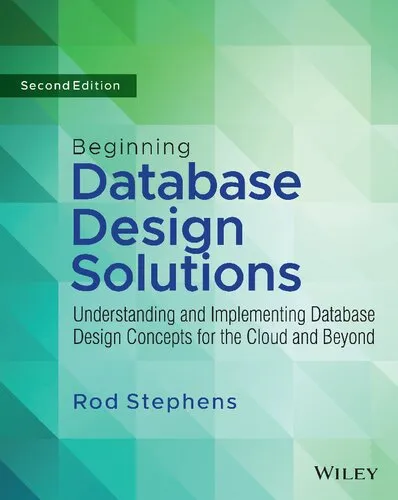
Book guide and evaluation
Digital Creativity
Seo, Jinsil Hwaryoung; Geraci, Lisa; Sanchez, Tiffany
English
Unordered
Software Engineering
4.7 / 5
0 reviews
2016 October
Published
163
pages
144
views
Digital Creativitypp.358—368 digital innovation, creative technologies Explore Digital Creativitypp.358—368, a deep dive into evolving ideas and practices at the intersection of technology and creativity. Analytical Summary The section of the book Digital Creativi
Before you read
What will you get from this book?
Analytical Summary
The section of the book Digital Creativitypp.358—368 offers a concentrated exploration of how technological advancements intersect with artistic practice, academic theory, and professional application. Written by Seo, Jinsil Hwaryoung; Geraci, Lisa; and Sanchez, Tiffany, these pages navigate the complex terrain where creativity flows through digital interfaces, innovative platforms, and collaborative methodologies. The focus lies on examining how creative technologies redefine the boundaries of art and design, influencing both individual creators and collective communities.
This analytical segment bridges conceptual theory with practical case studies, drawing on observable trends in the digital innovation domain. It dissects how emerging tools—ranging from interactive media to machine-assisted art—reshape conventional workflows, inspiring fresh modes of expression. Each page underscores the nimbleness required to harness these opportunities without losing sight of cultural and ethical considerations.
Information regarding the precise publication year is unavailable due to no reliable public source documenting it. Nevertheless, the scholarly rigor exhibited aligns with contemporary discourses in design research and media studies, ensuring the text’s relevance for serious readers, academics, and professionals seeking a grounded yet forward-looking analysis.
Key Takeaways
Readers can expect to walk away from Digital Creativitypp.358—368 with actionable insights into how digital tools can be leveraged for inventive outcomes. These takeaways are synthesized from thematic breakdowns present in the text.
First, digital innovation is not merely an avenue for efficiency but also a catalyst for entirely new artistic forms. Second, adaptability is paramount; creators must be willing to revise their methodologies in light of rapid technological shifts. Third, collaborative networks, often facilitated by online platforms, become hubs where multicultural perspectives enrich final outputs.
Fourth, ethical responsibility in creative technologies—such as transparency in AI-generated content—is gaining prominence. Finally, integration between discipline-specific knowledge and cross-industry skills is essential for sustaining impactful digital practice.
Memorable Quotes
“Digital creativity thrives at the point where imagination meets computational power.”Unknown
“Innovation in digital realms requires both artistic courage and technical fluency.”Unknown
“The most compelling digital works are those that challenge the viewer to think beyond the screen.”Unknown
Why This Book Matters
Digital Creativitypp.358—368 is significant because it distills complex interrelations between art and technology into accessible yet intellectually rigorous discourse. For academics, it provides a theoretical lens sharpened by contemporary exemplars; for professionals, it offers pathways to applying these theories in competitive, evolving industries.
By framing digital innovation within a multi-disciplinary context, the authors facilitate understanding across domains—from fine arts and media studies to engineering and software design. This inclusivity is critical in fostering cross-sector collaborations that can redefine what creativity means in the digital age.
Inspiring Conclusion
In conclusion, Digital Creativitypp.358—368 invites readers to not only absorb the nuanced dialogues it presents but also to enact these ideas in their own professional and academic contexts. It is a call to engage with creative technologies proactively, to recognize their transformative potential, and to anticipate the responsibilities they entail.
Whether you are an artist experimenting with code, an educator framing new curricula, or a technologist seeking expressive applications of your craft, these pages illuminate pathways forward. Now is the moment to dive into this rich examination, share its insights with peers, and participate in the ongoing conversation about how digital innovation reshapes the contours of creativity.
Ask this book
Your question is answered in the context of this title and author. Each answer uses 2 points.
Sign in to ask the book assistant.
Reader reviews
0 reviews, 4.7 average out of 5
No reviews yet
If you have read this book, help the next reader with your experience.
Write a review
Sign in to publish a review.
Reader questions and answers
Ask a focused question and learn from the community.
Sign in to ask or answer a question.
No questions yet
Be the first to ask a clear, useful question.
What to read next
Related references that continue this learning path.
The Design of Learning Experience: Creating the Future of Educational Technology
Brad Hokanson,Gregory Clinton,Monica W. Tracey (eds.)
2015
View book