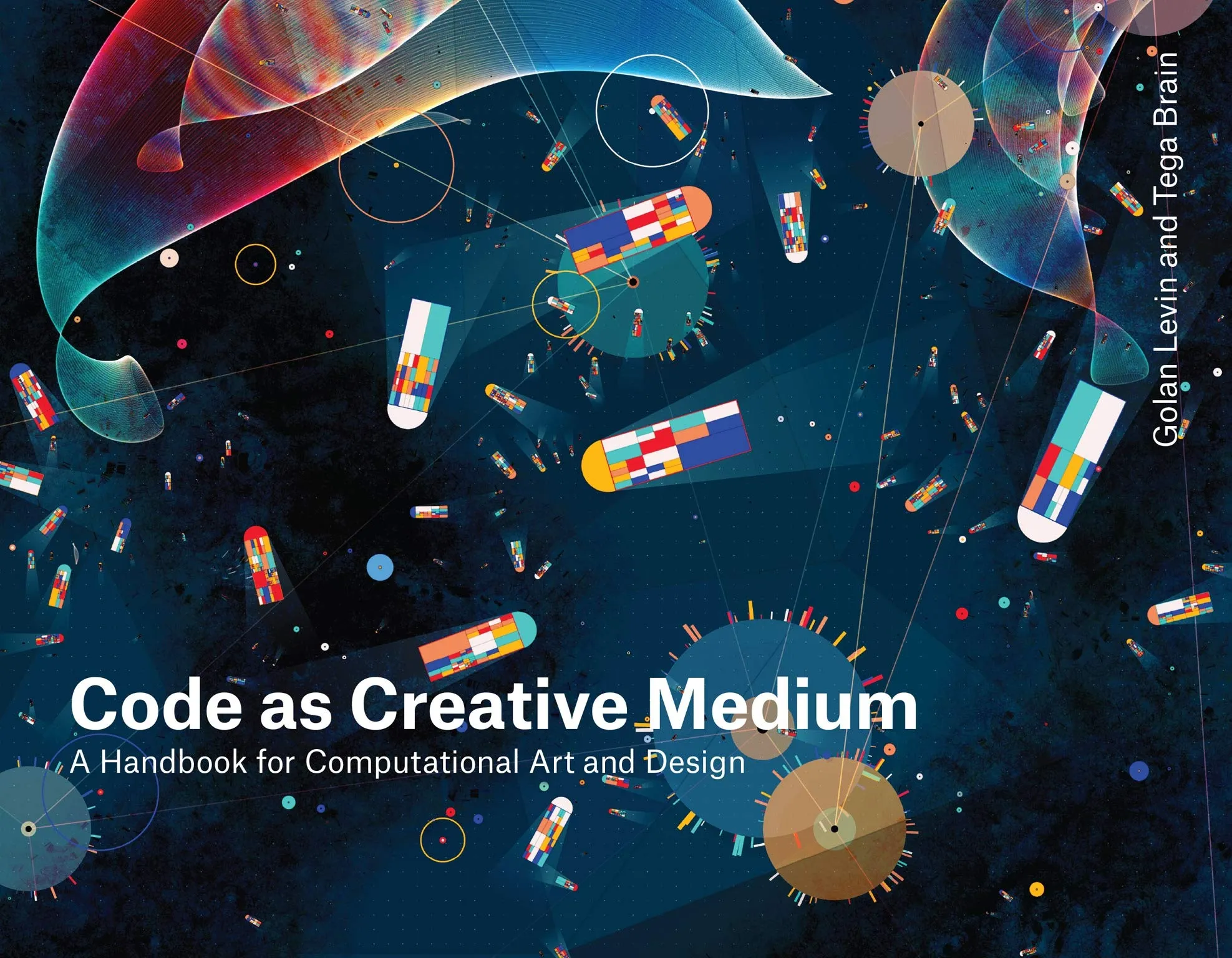
Code as Creative Medium: A Handbook for Computational Art and Design
Golan Levin;Tega Brain
2021
View book
Book guide and evaluation
Emily A. Winkler,Liam Fitzgerald,Andrew Small (eds.)
0 reviews
Published
pages
views
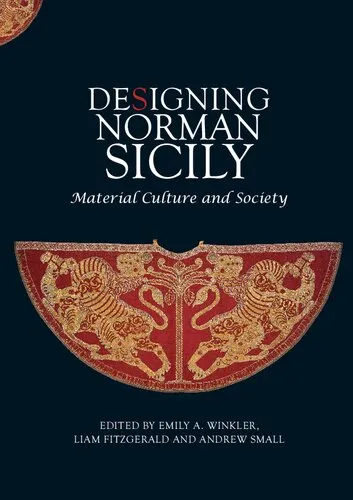
Introduction to "Designing Norman Sicily: Material Culture and Society" A captivating exploration of Norman Sicily's multidisciplinary landscape, uncovering the intersection of design, material culture, and societal transformation. Detailed Summary of the Book Norman S
Before you read
A captivating exploration of Norman Sicily's multidisciplinary landscape, uncovering the intersection of design, material culture, and societal transformation.
Norman Sicily has long stood as a testament to a unique convergence of cultures, craftsmanship, and governance. In "Designing Norman Sicily: Material Culture and Society," we delve into the rich interplay between architecture, art, and the human narratives that shaped one of the most fascinating epochs in medieval European history. The Normans ruled Sicily during the 11th and 12th centuries—an era marked by religious pluralism, political innovation, and a striking synthesis of Arab, Byzantine, Norman, and Latin traditions.
The book meticulously examines the material culture—the textiles, coins, mosaics, ceramics, and buildings—that defined Norman Sicily as a hub of cross-cultural interchange and innovation. By focusing on everything from the intricate mosaics in Palermo’s Palatine Chapel to the urban planning innovations that fostered communal integration, the text weaves a larger tapestry of societal interaction and design philosophy. Through contributions from leading scholars in history, archaeology, and art history, "Designing Norman Sicily" illustrates how material objects and spaces expressed broader cultural narratives, carved identities, and even resolved tensions among diverse communities.
Additionally, the book emphasizes the agency of design as a communicative tool and symbol of power. It highlights how rulers like Roger II and William I used architectural grandeur to assert legitimacy and unify disparate populations, while fostering a flourishing of artistic creativity rooted in multiculturalism. In doing so, it brings forward the relevance of Norman Sicily's artifacts to modern debates about cultural hybridity, identity, and diplomacy.
"In Norman Sicily, architecture was never merely a statement of sovereignty; it was a dialogical process that bridged continents, faiths, and traditions."
"Every stone, every mosaic tessera, every artifact in Norman Sicily tells a story—not just of the past, but of possibilities in cultural synergy."
"The material culture of Norman Sicily was no accident; it was a deliberate articulation of unity in diversity, crafted by design."
"Designing Norman Sicily: Material Culture and Society" is more than just a historical study—it is a timely reflection on multiculturalism, power dynamics, and the importance of design in shaping both physical and social landscapes. As societies globally grapple with questions of identity, integration, and heritage, the example of Norman Sicily offers an inspiring lens. It shows how material crafts and thoughtful urban planning can serve not merely as silent witnesses to history but as active participants in constructing society.
Furthermore, the book fills a critical gap in scholarship by bringing Norman Sicily's hybrid identity to the forefront and challenging Eurocentric narratives that downplay its significance. For students of history, design, and cultural studies, this work offers indispensable insights into the ways humans use material expression to mediate differences and build lasting legacies.
Whether you are a historian, designer, anthropologist, or someone passionate about medieval culture, "Designing Norman Sicily: Material Culture and Society" presents a compelling case for rethinking the role of material culture in the ever-complex interplay of societies.
Your question is answered in the context of this title and author. Each answer uses 2 points.
0 reviews, 4.0 average out of 5
Sign in to publish a review.
Ask a focused question and learn from the community.
Related references that continue this learning path.
Golan Levin;Tega Brain
Christine Charyton (eds.)