
Book guide and evaluation
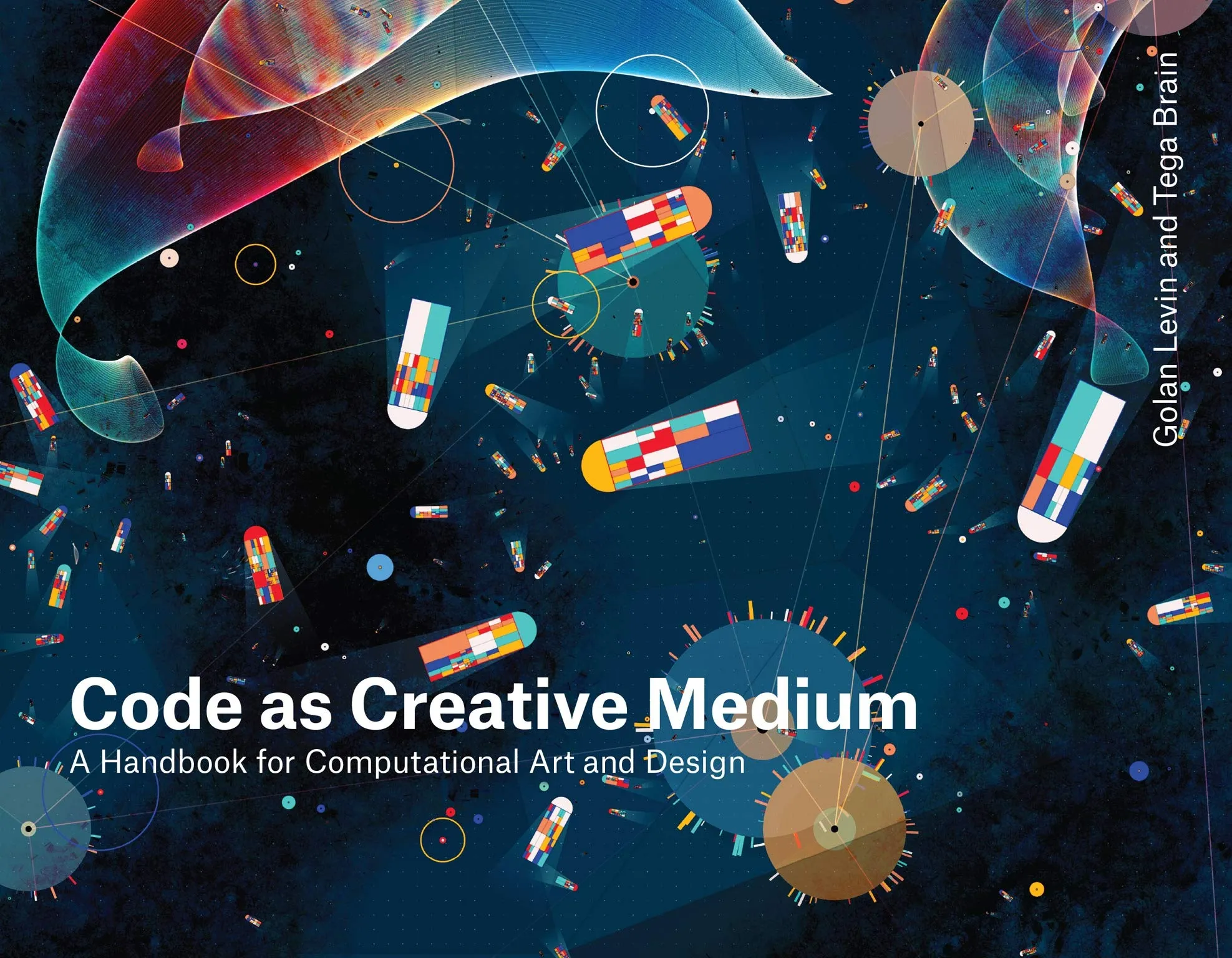
Code as Creative Medium: A Handbook for Computational Art and Design
Golan Levin;Tega Brain
English
Beginner
novel
4.5 / 5
0 reviews
2021
Published
289
pages
579
views
Introduction to 'Code as Creative Medium: A Handbook for Computational Art and Design' Welcome to a transformative exploration of the intersection between technology and creativity. 'Code as Creative Medium: A Handbook for Computational Art and Design' is an essential resour
Before you read
What will you get from this book?
Introduction to 'Code as Creative Medium: A Handbook for Computational Art and Design'
Welcome to a transformative exploration of the intersection between technology and creativity. 'Code as Creative Medium: A Handbook for Computational Art and Design' is an essential resource for artists, designers, educators, and technologists who wish to harness the power of code to create groundbreaking work in digital art and design.
Detailed Summary of the Book
The book 'Code as Creative Medium' is a comprehensive guide that delves into how code is revolutionizing the realms of art and design. Authored by Golan Levin and Tega Brain, it serves as both a technical manual and a philosophical treatise on the cultural and artistic implications of code as a medium. The authors provide a rich examination of how computational tools and processes offer unprecedented opportunities for creativity and expression.
Divided into several sections, the book seamlessly blends theoretical discussions with practical exercises. It begins with foundational concepts in programming designed for non-technical readers, gradually building to more sophisticated techniques in visual programming and generative design. From interactive installations to algorithmic aesthetics, the authors highlight numerous examples of inspiring work from renowned artists and designers, demonstrating the diverse applications of computational creativity.
Key chapters focus on innovative techniques such as data visualization, digital fabrication, and networked art. The authors emphasize the participatory nature of coding, encouraging readers to experiment and push the boundaries of traditional artistic practices. Through insightful case studies, Levin and Brain illustrate how code can extend the reach of creative projects, enabling new forms of audience engagement and community interaction.
Key Takeaways
- Coding is not merely a technical skill but a powerful medium for creative expression.
- Understanding programming concepts can significantly enhance an artist's toolkit.
- The book demystifies digital tools, making computational art more accessible to all participants.
- Readers are empowered to experiment broadly and create interactive and memorable experiences.
- Through coding, artists and designers can engage more deeply with social and cultural issues.
Famous Quotes from the Book
"The most profound innovations in art and design in the 21st century will be driven by those who understand how to code."
"Code is a means of enlisting the computer not as a tool, but as a collaborator in our creative journeys."
Why This Book Matters
In a rapidly evolving digital landscape, 'Code as Creative Medium' stands out as a crucial resource for anyone interested in the fusion of art, design, and technology. With its clear explanations and inspiring examples, the book empowers a new generation of creatives to embrace coding as a key component of their practice. By bridging the gap between code and creativity, Levin and Brain not only challenge traditional conventions but also open up a world of possibilities for interactive and engaging art.
As digital media continues to reshape the cultural and artistic fabric, understanding and applying computational principles has never been more important. This handbook provides the tools, insights, and encouragement needed to explore new artistic frontiers, making it indispensable for educators looking to integrate coding into their curricula and for practitioners aiming to expand their professional horizons.
Ask this book
Your question is answered in the context of this title and author. Each answer uses 2 points.
Sign in to ask the book assistant.
Reader reviews
0 reviews, 4.5 average out of 5
No reviews yet
If you have read this book, help the next reader with your experience.
Write a review
Sign in to publish a review.
Reader questions and answers
Ask a focused question and learn from the community.
Sign in to ask or answer a question.
No questions yet
Be the first to ask a clear, useful question.
What to read next
Related references that continue this learning path.
Sketching User Experiences: The Workbook
Saul Greenberg, Sheelagh Carpendale, Nicolai MarquardtandBill Buxton (Auth.)
2011
View book
The Craft and Science of Game Design: A Video Game Designer's Manual
Philippe O'Connor
2020
View book
Creativity and Innovation Among Science and Art: A Discussion of the Two Cultures
Christine Charyton (eds.)
2015
View book