
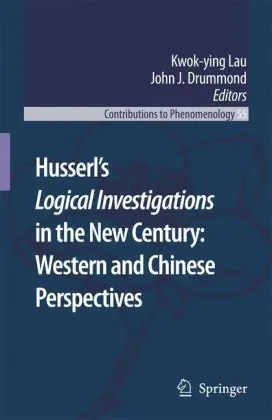
Husserl’s Logical Investigations in the New Century: Western and Chinese Perspectives
Kwok-Ying Lau (editor),John J. Drummond (editor)
2007
View book
Book guide and evaluation
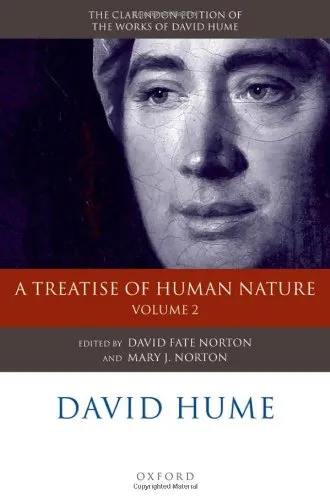
David Fate Norton,Mary J. Norton
0 reviews
Published
pages
views
A Detailed Summary of the Book 'David Hume: A Treatise of Human Nature Volume 2: Editorial Material' is an indispensable companion to Hume's original text. This volume, part of the Clarendon Hume Edition Series, offers a comprehensive exploration of one of philosophy's mo
Before you read
'David Hume: A Treatise of Human Nature Volume 2: Editorial Material' is an indispensable companion to Hume's original text. This volume, part of the Clarendon Hume Edition Series, offers a comprehensive exploration of one of philosophy's most groundbreaking works. The editors, David Fate Norton and Mary J. Norton, meticulously curate a broad array of scholarly resources to enhance readers' understanding of Hume's Treatise. This volume provides critical annotations, insightful interpretations, and historical context, helping both new readers and seasoned scholars navigate the complexities of Hume's philosophy. By offering a detailed analysis of Hume's arguments and contemporary philosophical implications, the editors ensure that the material is accessible and enlightening, making it a critical reference for anyone studying Hume.
This volume provides several crucial insights into Hume's Treatise:
While this volume primarily focuses on editorial insights, some notable quotes from Hume's original work, discussed within, include: "Reason is, and ought only to be the slave of the passions, and can never pretend to any other office than to serve and obey them." This line encapsulates Hume's provocative view on the limitations of reason in human life, which continues to incite discussion today. Another significant quote, "All the perceptions of the human mind resolve themselves into two distinct kinds, which I shall call Impressions and Ideas," forms the foundation of Hume's empirical psychology.
'David Hume: A Treatise of Human Nature Volume 2: Editorial Material' is an invaluable resource for anyone interested in the philosophical underpinnings of human nature, knowledge, and society. By offering a detailed examination of Hume's pioneering ideas, the editors provide readers with the necessary tools to fully appreciate the depth and scope of the Treatise. This volume is not merely an academic endeavor; it bridges the gap between historical insight and contemporary philosophical inquiry, demonstrating the timeless significance of Hume's work. As readers delve into the richly annotated material, they gain a deeper appreciation for Hume’s skepticism and its enduring influence on both philosophy and the broader human condition. Whether integrating Hume's philosophy into current debates on emotion, cognition, or ethics, this book remains an essential part of the philosophical canon and a vital resource for understanding the complexities of human nature.
Your question is answered in the context of this title and author. Each answer uses 2 points.
0 reviews, 4.5 average out of 5
Sign in to publish a review.
Ask a focused question and learn from the community.
Related references that continue this learning path.
Kwok-Ying Lau (editor),John J. Drummond (editor)
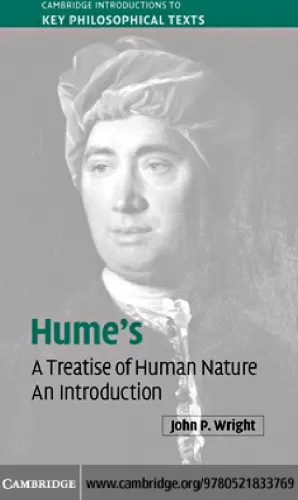
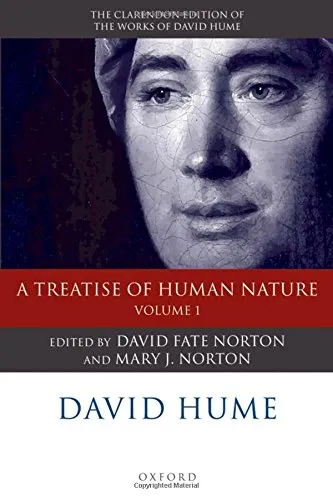
David Hume,David Fate Norton,Mary J. Norton