
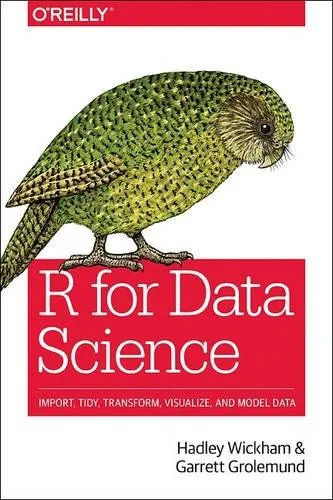
R for Data Science: Import, Tidy, Transform, Visualize, and Model Data
Hadley Wickham,Garrett Grolemund
2017
View book
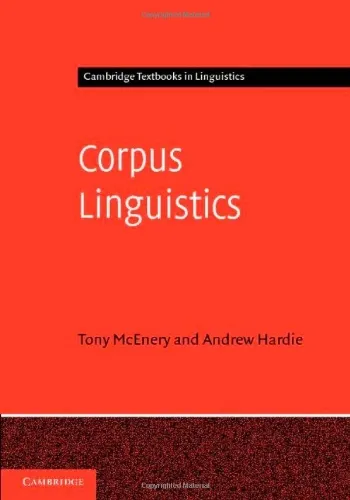
Book guide and evaluation
Tony McEnery,Andrew Hardie
0 reviews
Published
pages
views
Introduction to 'Corpus Linguistics: Method, Theory and Practice' The field of corpus linguistics has profoundly transformed how we understand language by focusing on empirical data from real-world communication. Written by Tony McEnery and Andrew Hardie, 'Corpus Linguistics:
Before you read
The field of corpus linguistics has profoundly transformed how we understand language by focusing on empirical data from real-world communication. Written by Tony McEnery and Andrew Hardie, 'Corpus Linguistics: Method, Theory and Practice' delivers a comprehensive exploration of this fascinating discipline, combining theoretical underpinnings with practical applications. This highly acclaimed book appeals to linguistics enthusiasts, researchers, and students alike, offering clarity, depth, and practical insights for anyone interested in the study of language through corpora.
In this introduction, we take a detailed look at what this book offers, breaking it down into a summary of its contents, the key takeaways, famous quotes, and the reasons why this work is important within the realm of linguistics and beyond.
The book is structured to provide both newcomers and seasoned linguists with a powerful toolkit for understanding and conducting corpus-based research. It begins by unpacking what corpus linguistics is, defining its scope and purpose. The authors emphasize the importance of analyzing large collections of text—corpora—as opposed to relying on intuition or isolated examples. The discussion moves seamlessly from the historical evolution of corpus linguistics to its modern applications in a range of disciplines, including sociolinguistics, pragmatics, and discourse analysis.
McEnery and Hardie dedicate chapters to exploring how corpora are built, annotated, and analyzed, providing a methodology that readers can follow step by step. The book also addresses critical topics such as frequency analysis, collocations, and concordances, while introducing computational tools and techniques that are central to corpus linguistics, like tagging and parsing.
What sets the book apart is its emphasis on practical engagement. Each chapter provides examples and case studies that ground theoretical principles in real-world data. The authors encourage readers to reflect on the strengths and limitations of corpus-based methods, making this an essential reference for both beginners and advanced linguists.
“The corpus, rather than speculative theory, is the ultimate arbiter for determining what patterns exist in language.”
“Corpus linguistics offers a methodology for bridging the gap between intuition and evidence in language research.”
“The study of corpora reveals how language naturally operates in context, which is crucial for understanding its intricate dynamics.”
The significance of 'Corpus Linguistics: Method, Theory and Practice' cannot be overstated. As the role of data-driven approaches continues to grow across disciplines, this book equips linguists and researchers with the frameworks, tools, and theoretical grounding necessary to excel in the digital age. Corpus linguistics is not limited to linguistic research; it has important implications for understanding cultural trends, building natural language processing (NLP) systems, and improving language teaching methodologies.
This book also matters because it democratizes access to corpus-based research. It provides step-by-step guidance for constructing and analyzing corpora, ensuring that even those with limited technical knowledge can engage with this powerful methodology. Moreover, it encourages critical reflection, helping readers understand both the potential and limitations inherent in corpus-based approaches.
In academic and professional contexts, the book has empowered countless researchers to harness the vast amounts of textual data available in the modern world, uncovering patterns in language that were previously invisible without computational tools. For anyone interested in investigating how language works in practice, rather than in abstract theory, McEnery and Hardie's work is indispensable.
In conclusion, 'Corpus Linguistics: Method, Theory and Practice' stands out as a landmark text in linguistics. With its blend of theory, practice, and critical thinking, it has become a cornerstone for language researchers and a vital resource for understanding corpora in the contemporary world.
Your question is answered in the context of this title and author. Each answer uses 2 points.
0 reviews, 4.5 average out of 5
Sign in to publish a review.
Ask a focused question and learn from the community.
Related references that continue this learning path.
Hadley Wickham,Garrett Grolemund
Mihai Surdeanu,Marco Antonio Valenzuela-Escarcega