
Overcoming low self-esteem: a self-help guide using cognitive behavioral techniques
Melanie J. V. Fennell
Book guide and evaluation
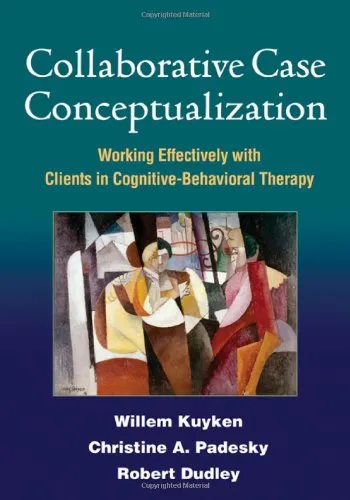
Willem Kuyken PhD,Christine A. Padesky Phd,Robert Dudley
0 reviews
Published
pages
views
Introduction to "Collaborative Case Conceptualization: Working Effectively with Clients in Cognitive-Behavioral Therapy" In the realm of cognitive-behavioral therapy (CBT), case conceptualization plays an indispensable role in guiding therapy. "Collaborative Case Conceptualiza
Before you read
In the realm of cognitive-behavioral therapy (CBT), case conceptualization plays an indispensable role in guiding therapy. "Collaborative Case Conceptualization: Working Effectively with Clients in Cognitive-Behavioral Therapy" by Willem Kuyken, Christine A. Padesky, and Robert Dudley offers a groundbreaking approach that stresses the importance of collaboration between therapists and clients. This highly practical and evidence-based book equips mental health professionals with advanced strategies to co-create individualized conceptualizations that foster meaningful and lasting change.
Far from being just another academic text, this book bridges the gap between theoretical frameworks and clinical practice. By focusing on the collaborative nature of therapy, it emphasizes how joint problem-solving and partnership can enhance understanding, deepen trust, and improve treatment outcomes. Therapists will learn innovative ways to conceptualize cases, collaborate effectively with clients, and make therapy more effective and efficient in addressing complex difficulties.
Understanding and applying case conceptualization at its best.
"Collaborative Case Conceptualization" begins by addressing the limitations of traditional approaches in therapy that often rely heavily on therapist expertise, leaving clients more passive in the process. This book reframes case conceptualization as a creative and dynamic collaboration, where joint efforts between therapist and client lead to a shared understanding of problems, strengths, and treatment roadmaps. The authors introduce a structured yet flexible five-step model, which is adaptable to a wide range of client presentations and goals.
The book covers how to develop and update a case conceptualization over time, integrating client feedback along the way. It highlights key principles such as the use of visuals like diagrams to enhance clarity, the role of therapist-guided discovery to increase client engagement, and the importance of tailoring the conceptualization to fit the client's unique context and worldview. The authors use real-world examples, case studies, and practical exercises to bring these concepts to life.
Additionally, advanced topics such as handling resistance, integrating cultural factors, and using case conceptualization for comorbid or highly complex cases are thoroughly addressed. This makes the book an essential resource not only for beginners in CBT but also for experienced therapists looking to refine their skills.
What you can gain from this book:
Timeless insights and reflections:
"Case conceptualization is not a static product but a dynamic process of discovery, collaboration, and revision."
"Involving clients in the process of conceptualization fosters empowerment, deepens insights, and paves the way for meaningful change."
"Therapy is most effective when the client and therapist work as partners toward a shared understanding of the problem and its solution."
What makes this book indispensable?
Modern CBT practitioners face increasing demands to adapt therapy to diverse client backgrounds, presentations, and complexities. "Collaborative Case Conceptualization" equips practitioners with the tools to meet these demands effectively. By promoting a collaborative approach, this book redefines the therapist-client relationship as an active partnership. This innovative perspective increases client engagement, enhances the therapeutic alliance, and improves treatment outcomes.
The book also emphasizes the importance of cultural competence, a critical aspect often neglected in traditional CBT. Its exploration of advanced topics such as working with resistant clients and managing comorbid conditions makes it an essential guide for experienced therapists striving for mastery in their craft. Furthermore, the practical exercises and illustrative examples ensure that the book is not just theoretical but highly applicable to real-world settings.
Ultimately, this book resonates with the core values of cognitive-behavioral therapy: evidence-based practice, teaching clients to be their own therapists, and fostering positive change through understanding and collaboration.
Your question is answered in the context of this title and author. Each answer uses 2 points.
0 reviews, 4.6 average out of 5
Sign in to publish a review.
Ask a focused question and learn from the community.
Related references that continue this learning path.
Melanie J. V. Fennell


Sheldon Travin M.D.,Barry Protter Ph.D. (auth.)