Lessons on the Analytic of the Sublime (Meridian: Crossing Aesthetics)
Jean-Francois Lyotard
1994
View book
Book guide and evaluation
Carter Vaughn Findley
0 reviews
Published
pages
views
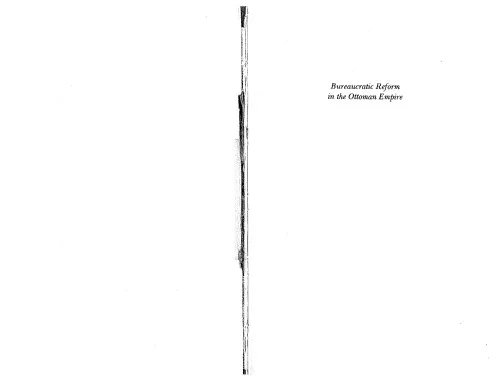
Introduction to "Bureaucratic Reform in the Ottoman Empire: The Sublime Porte, 1789-1922" Welcome to the fascinating exploration of one of the most significant periods of transformation within the Ottoman Empire, spanning from 1789 to 1922. "Bureaucratic Reform in the Otto
Before you read
Welcome to the fascinating exploration of one of the most significant periods of transformation within the Ottoman Empire, spanning from 1789 to 1922. "Bureaucratic Reform in the Ottoman Empire: The Sublime Porte" charts the journey of the Ottoman bureaucracy as it navigates the demands of modernization and reform. This period marks a poignant chapter, exploring the intricate dynamics of administrative change against a backdrop of social, political, and cultural shifts.
The book provides a comprehensive examination of the bureaucratic reforms that transformed the Ottoman Empire from a traditional Islamic state into a modern government. It delves into the complexities of the Ottoman administrative apparatus, known as the Sublime Porte, during a critical period of vast changes driven by both internal and external pressures. The narrative follows the journey from the reign of Sultan Selim III through the end of the empire after World War I.
Author Carter Vaughn Findley meticulously traces the development of the Ottoman bureaucratic structure, emphasizing how reforms aimed to modernize the Empire to compete with Western powers and retain sovereignty. Through detailed analysis, Findley illustrates how these reforms introduced new administrative roles, redefined traditional power hierarchies, and led to the creation of modern governmental institutions.
The book discusses the successes and challenges of these reforms, highlighting the conflicts between progressive visions and conservative forces within the empire. The narrative showcases how bureaucratic elites played pivotal roles in pushing agendas and negotiating the complex interplay of resistance and acceptance of change.
"In the annals of the Ottoman Empire, the age of bureaucratic reform stands as a testament to the transformative power of administrative innovation amidst a sea of relentless change."
"The Sublime Porte not only symbolized the heart of imperial administration but also emerged as the dynamic core from which modern statehood would burgeon."
This book holds significant importance for historians, political scientists, and scholars interested in Middle Eastern studies. It lays bare the essential connection between government reforms and broader socio-political developments during the last epoch of the Ottoman Empire. By shedding light on how these reforms played a critical role in the empire's struggle to adapt to an evolving political landscape, the book provides crucial insights into the nature of political modernization.
Moreover, "Bureaucratic Reform in the Ottoman Empire" serves as a vital resource for understanding the continuity and change in governance theories. It highlights the challenges faced by an empire steeped in tradition as it attempted to implement modern administrative practices. This work enriches the discourse surrounding modernization theories, comparing Ottoman challenges and triumphs with those of other contemporary states undergoing similar processes.
Your question is answered in the context of this title and author. Each answer uses 2 points.
0 reviews, 4.5 average out of 5
Sign in to publish a review.
Ask a focused question and learn from the community.
Related references that continue this learning path.
Jean-Francois Lyotard