Book guide and evaluation
Blue Architecture: Water, Design, and Environmental Futures
Brook Muller
English
Advanced
Art
4.4 / 5
0 reviews
2022
Published
184
pages
403
views
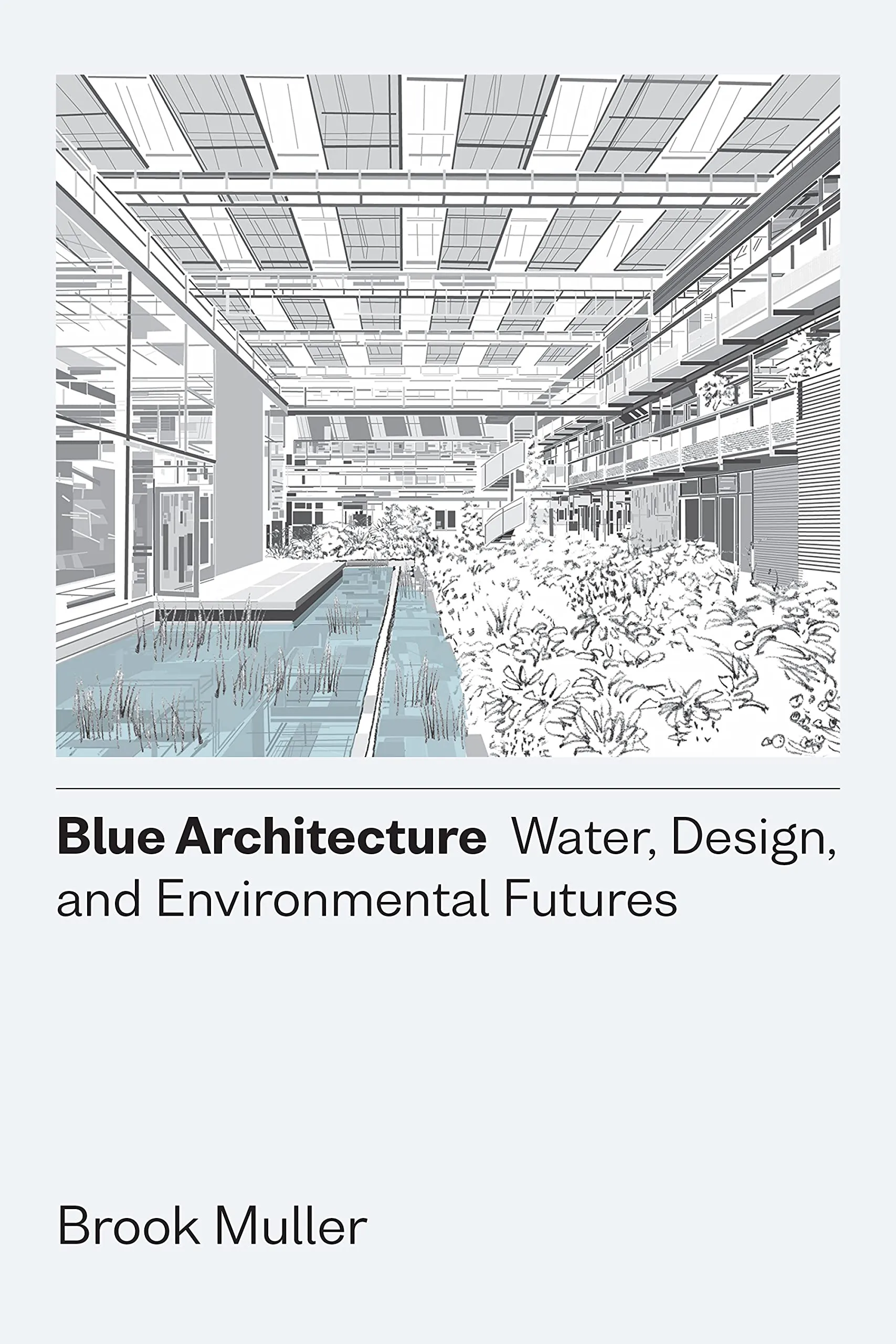
Blue Architecture: Water, Design, and Environmental Futures Sustainable water management, ecological design Exploring Blue Architecture: Water, Design, and Environmental Futures through the lens of sustainability and innovation. Analytical Summary In Blue Architec
Before you read
What will you get from this book?
Analytical Summary
In Blue Architecture: Water, Design, and Environmental Futures, the intricate relationship between water systems and the built environment takes center stage. This work critically examines how architects, urban planners, and environmental designers can anticipate and respond to the pressing challenges posed by climate change, urbanization, and water scarcity.
Framing water as both a natural element and an infrastructural force, the book offers a holistic vision that merges environmental ethics with design innovation. By unpacking global case studies, historical precedents, and emerging technologies, it provides readers with a robust framework for integrating water consciousness into design practice.
The narrative moves fluidly between theory and practice, challenging conventional disciplinary boundaries. Readers will encounter in-depth explorations of watershed urbanism, adaptive reuse strategies for waterfronts, and the socio-political implications of hydrological decision-making.
Key Takeaways
The key insights from this volume serve as a valuable touchstone for academics, students, and professionals seeking to engage critically with water-centric design.
First, water should not be treated as an afterthought in architectural and urban planning processes; it is a foundational force shaping human and ecological habitats.
Second, sustainable water management must account for both localized contexts and global hydrological systems, recognizing the interdependence of scales.
Third, ecological design principles can guide the creation of resilient, adaptive infrastructures that respond dynamically to environmental change.
Fourth, interdisciplinary collaboration is essential—water challenges demand the combined insight of architects, engineers, policy-makers, and communities.
Finally, the future of environmental futures rests on fostering a cultural shift in how we value water as an element of life, identity, and design opportunity.
Memorable Quotes
"Water shapes our cities as profoundly as our cities shape water." Unknown
"Designing with water is not an option; it is an obligation in the age of climate uncertainty." Unknown
"Architectural futures are blue futures—fluid, adaptive, and inseparable from environmental care." Unknown
Why This Book Matters
Blue Architecture: Water, Design, and Environmental Futures matters because it confronts one of the 21st century’s most urgent planetary challenges: the sustainable integration of water systems into human settlements.
Rather than treating water as a passive background condition, the book insists on understanding it as a dynamic agent that informs design thinking and decision-making. This reframing offers an invaluable pedagogical and professional resource.
For academics, the detailed case studies and theoretical frameworks provide fertile ground for research and teaching. For practitioners, the applied strategies offer actionable pathways toward regenerative and resilient infrastructures.
Information about awards or formal recognitions is unavailable, as there are no reliable public sources confirming such distinctions for this work. However, its conceptual rigor and topical urgency ensure its lasting relevance.
Inspiring Conclusion
As with any profound work of environmental reflection, Blue Architecture: Water, Design, and Environmental Futures invites sustained engagement, dialogue, and application.
The insights offered are not merely academic—they are a call to action for anyone committed to shaping resilient, adaptive futures. In its pages, water ceases to be seen as a limiting constraint and emerges instead as a catalyst for creativity and ecological connection.
Whether you are an architect envisioning climate-ready cities, a planner rethinking watershed governance, or a student eager to align design with the planet’s hydrological realities, this book offers both inspiration and guidance. Read it, share it, and discuss it within your networks. Our shared environmental futures depend on it.
Ask this book
Your question is answered in the context of this title and author. Each answer uses 2 points.
Sign in to ask the book assistant.
Reader reviews
0 reviews, 4.4 average out of 5
No reviews yet
If you have read this book, help the next reader with your experience.
Write a review
Sign in to publish a review.
Reader questions and answers
Ask a focused question and learn from the community.
Sign in to ask or answer a question.
No questions yet
Be the first to ask a clear, useful question.
What to read next
Related references that continue this learning path.