Book guide and evaluation
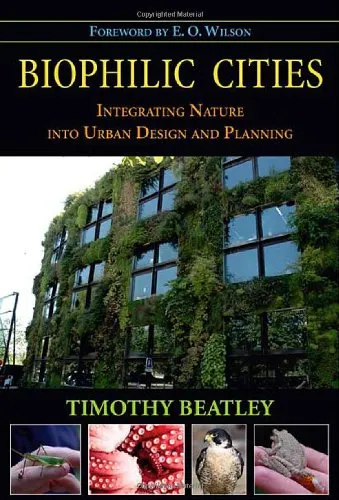
Biophilic Cities: Integrating Nature Into Urban Design and Planning
Timothy Beatley
English
Advanced
Art
4.3 / 5
0 reviews
2010
Published
206
pages
391
views
Biophilic Cities: Integrating Nature Into Urban Design and Planning Urban sustainability, ecological urbanism Discover how Biophilic Cities: Integrating Nature Into Urban Design and Planning bridges nature and urban life for healthier communities. Analytical Summary
Before you read
What will you get from this book?
Analytical Summary
In Biophilic Cities: Integrating Nature Into Urban Design and Planning, Timothy Beatley presents a transformative vision of urban environments—where nature is not merely an occasional guest, but a central, indispensable partner in shaping cities that nurture human wellbeing. He challenges decades of design orthodoxy that has often replaced greenery with concrete, making the case for urgent reintegration of ecological principles into the urban fabric.
The book situates biophilia—the innate human affinity for nature—at the heart of urban design and planning. It explores practical strategies that bridge architecture, policy, and grassroots initiatives to weave green spaces, biodiversity corridors, and sensory encounters with the natural world into the everyday lives of city residents. Through global case studies, Beatley illustrates how cities from Singapore to Oslo have embraced this ethos, guiding planners and policymakers to see ecosystems as essential infrastructure rather than embellishments.
With careful research and a cross-disciplinary approach, the text articulates the environmental, social, and psychological benefits of biophilic urbanism. It presents both conceptual frameworks and actionable pathways, making it essential reading for professionals engaged in urban sustainability and ecological urbanism. By contextualizing biophilic thinking within contemporary challenges—such as climate resilience, mental health, and community identity—the book resonates far beyond academic circles.
Key Takeaways
The lessons distilled from Biophilic Cities: Integrating Nature Into Urban Design and Planning are both profound and practical, offering a blueprint for future cities that aspire to be not only livable but truly alive.
Readers will discover that successful biophilic cities prioritize daily, equitable access to nature across all neighborhoods, regardless of socioeconomic status. Nature is presented not as a luxury, but as a basic urban right.
Policy innovation emerges as a recurring theme: from urban biodiversity plans to green building standards, the author advocates for institutional frameworks that embed ecological goals into regulatory systems.
Another vital takeaway is the recognition of nature’s role in fostering social connections. Parks, gardens, and community-led greening projects act as catalysts for civic participation and collective stewardship.
Finally, Beatley emphasizes that biophilic design is scalable: from pocket parks and rooftop gardens to large-scale habitat restoration, every intervention matters.
Memorable Quotes
“To design with nature is to design with empathy for all living systems.” Unknown
“A biophilic city is not just green in appearance; it is green in its values, ethics, and everyday functions.” Unknown
“Urban life flourishes when the rhythms of nature pulse through its streets and buildings.” Unknown
Why This Book Matters
In an era defined by environmental crises and rapid urbanization, Biophilic Cities: Integrating Nature Into Urban Design and Planning addresses a critical gap in how we conceive and inhabit our urban spaces.
The work directly speaks to urban planners, architects, civic leaders, and scholars seeking sustainable solutions that transcend conventional “green” rhetoric. It validates the intrinsic human need for natural connections and argues persuasively that such connections yield measurable public health improvements.
Information unavailable regarding specific awards or formal recognitions for the book, as no reliable public source confirms such details. However, its ideas have permeated academic and municipal discourse, influencing contemporary sustainability planning worldwide.
By documenting successful precedents and urging creative adaptation, Beatley positions biophilic urbanism as both a moral imperative and a strategic necessity for resilient cities.
Inspiring Conclusion
As cities expand and evolve, the vision set forth in Biophilic Cities: Integrating Nature Into Urban Design and Planning offers a hopeful and actionable path forward. It calls upon professionals, academics, and engaged citizens alike to rethink their urban landscapes through the lens of deep ecological integration.
Beatley’s framework empowers communities to transform streets, rooftops, and public squares into vibrant ecosystems that enhance human experience while safeguarding the planet’s biodiversity. The narrative invites readers to imagine—and then work toward—a city model where the lines between the urban and the natural dissolve into harmony.
Your next step is simple but powerful: read the book with intention, share its insights with fellow practitioners, and spark conversations in your own city about the benefits and urgency of biophilic urbanism. In doing so, you join a growing movement dedicated to creating cities that are, in every sense, alive.
Ask this book
Your question is answered in the context of this title and author. Each answer uses 2 points.
Sign in to ask the book assistant.
Reader reviews
0 reviews, 4.3 average out of 5
No reviews yet
If you have read this book, help the next reader with your experience.
Write a review
Sign in to publish a review.
Reader questions and answers
Ask a focused question and learn from the community.
Sign in to ask or answer a question.
No questions yet
Be the first to ask a clear, useful question.
What to read next
Related references that continue this learning path.