Book guide and evaluation
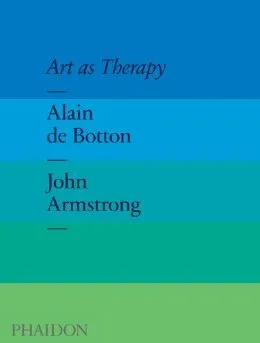
Art as Therapy
Alain De Botton;John Armstrong;School of Life (Business enterprise)
English
Advanced
Art
4.5 / 5
0 reviews
2013
Published
240
pages
424
views
Art as Therapy art appreciation, emotional wellbeing Art as Therapy explores how art can enrich emotional wellbeing and deepen personal insight. Analytical Summary Art as Therapy is a collaborative work between Alain de Botton and John Armstrong, positioning art not merely
Before you read
What will you get from this book?
Analytical Summary
Art as Therapy is a collaborative work between Alain de Botton and John Armstrong, positioning art not merely as a subject for academic study, but as a practical tool for psychological growth and social insight. Published in 2013, the book challenges conventional approaches to art appreciation by focusing on its therapeutic potential — how paintings, sculptures, and other visual forms can address our inner needs and foster emotional wellbeing.
Rather than discussing art solely in terms of historical context or technical mastery, the authors propose a framework that identifies specific human challenges and correlates them with artworks that might alleviate or illuminate these difficulties. For example, experiencing certain pieces might help confront loneliness, rekindle curiosity, or encourage resilience in the face of daily pressures.
The book uses a clear, systematic approach: problems are defined, artworks are introduced as possible “solutions,” and then a guided interpretation follows. This organizational model draws readers — particularly serious thinkers, academics, and professionals — into contemplating art as a dynamic interlocutor for life’s complexities, rather than a static object of detached admiration.
The analytical depth is balanced with accessibility. Though the ideas are firmly grounded in philosophical and psychological traditions, the language remains inviting, avoiding jargon, and encouraging even non-specialists to embrace art’s therapeutic possibilities.
Key Takeaways
The book offers a wealth of insights at the intersection of art, philosophy, and mental health, serving as a thoughtful guide for integrating artistic engagement into everyday life.
First, art appreciation is reframed as a deeply personal and transformative practice. It becomes a tool to address emotional needs such as love, fear, hope, and regret. This fresh positioning encourages readers to move beyond passive observation to active dialogue with art.
Second, the relationship between viewer and artwork is anchored in empathy. The authors emphasize that understanding a work’s emotional resonance can be as important as recognizing its historical provenance or stylistic features.
Third, Art as Therapy underscores the necessity of integrating art into public spaces and everyday environments, redressing the imbalance between aesthetic appreciation and practical application.
Fourth, the book provides a framework that educators, curators, and mental health professionals can adapt when designing programs that harness art for wellbeing-centred outcomes.
Memorable Quotes
“Art is a therapeutic medium, speaking the language of our inner needs and desires.” Unknown
“The true purpose of art is not to be admired, but to be useful.” Unknown
“Art can console, inspire, and gently teach the art of living well.” Unknown
Why This Book Matters
Art as Therapy matters because it bridges the gap between the art world and everyday life, dissolving barriers between professional curation and personal meaning-making.
By articulating the ways in which art can directly support emotional wellbeing, the book expands the frame within which we discuss artistic value. It invites not only art historians but also psychologists, educators, and policy-makers to reconsider art’s role in public and private spheres.
Its relevance emerges in contemporary debates about mental health, the significance of cultural institutions, and how society allocates resources to support creativity as a means of human flourishing.
Information about specific accolades or awards is unavailable, due to no reliable public source confirming such details.
Inspiring Conclusion
Art as Therapy achieves something remarkable: it reframes the role of art in our lives from peripheral decoration to central companion in navigating emotional landscapes.
By inviting readers to approach art as an ally in self-understanding, Alain de Botton and John Armstrong open a robust dialogue between visual creativity and human needs. The book does not offer prescriptive cures, but rather tools for reflection, empathy, and renewed curiosity. Serious readers, academics, and professionals will find themselves not just informed, but inspired to integrate artistic engagement into their personal and professional environments.
If the ideas in Art as Therapy resonate with you, take the next step: read it with attention, share your reflections with colleagues or friends, and discuss how art might be harnessed as a strategic resource for wellbeing and insight.
Ask this book
Your question is answered in the context of this title and author. Each answer uses 2 points.
Sign in to ask the book assistant.
Reader reviews
0 reviews, 4.5 average out of 5
No reviews yet
If you have read this book, help the next reader with your experience.
Write a review
Sign in to publish a review.
Reader questions and answers
Ask a focused question and learn from the community.
Sign in to ask or answer a question.
No questions yet
Be the first to ask a clear, useful question.
What to read next
Related references that continue this learning path.
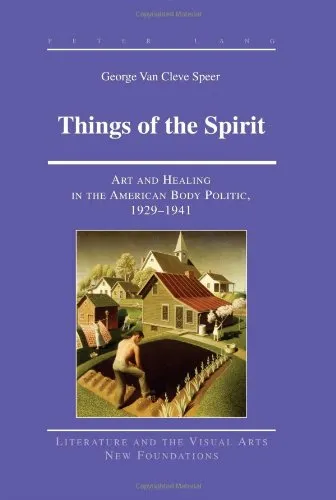
Things of the Spirit: Art and Healing in the American Body Politic, 1929-1941
George Van Cleve Speer
2012
View book